


Luxury Designer Accessories
Designer accessories concentrate a maison’s identity into smaller objects that often play a bigger role in everyday life. Celine and Saint Laurent belts focus on leather and iconic buckles, card holders and small leather goods refine construction and internal organization, while MoonSwatch and Royal Pop reinterpret watches through materials, colour and contemporary collaborations.
Explore more styles in our Luxury Small Leather Goods selection.
28 products
Luxury accessories: small objects, precise identity
A luxury accessory takes up less space than a bag or a pair of shoes, yet it often interacts more directly with everyday gestures. A watch follows the movement of the wrist, a belt changes the proportions of an outfit, while card holders and coin purses organise objects used constantly. A smaller size does not mean less complexity: materials, construction and details become even more visible when concentrated into just a few centimetres.
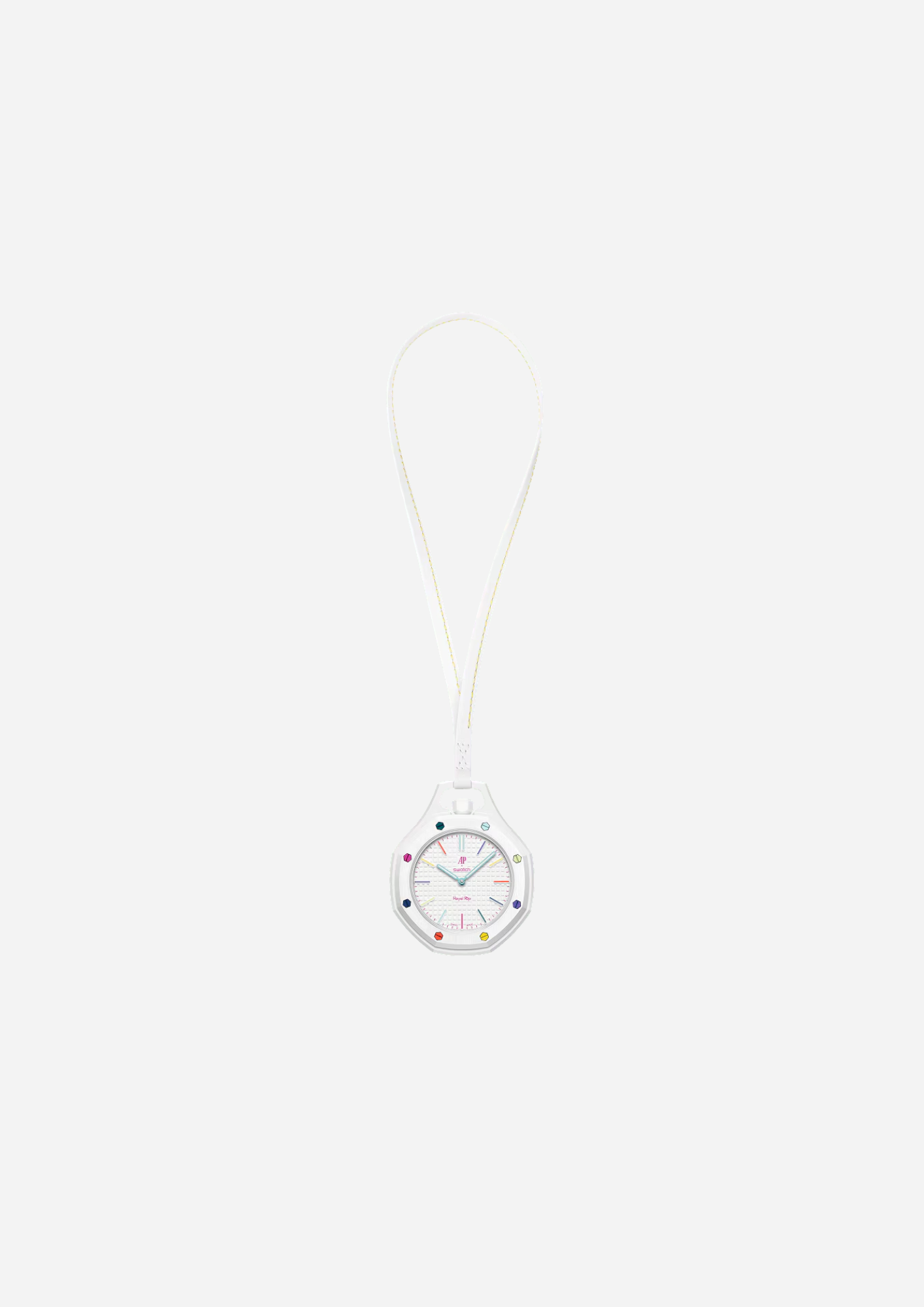
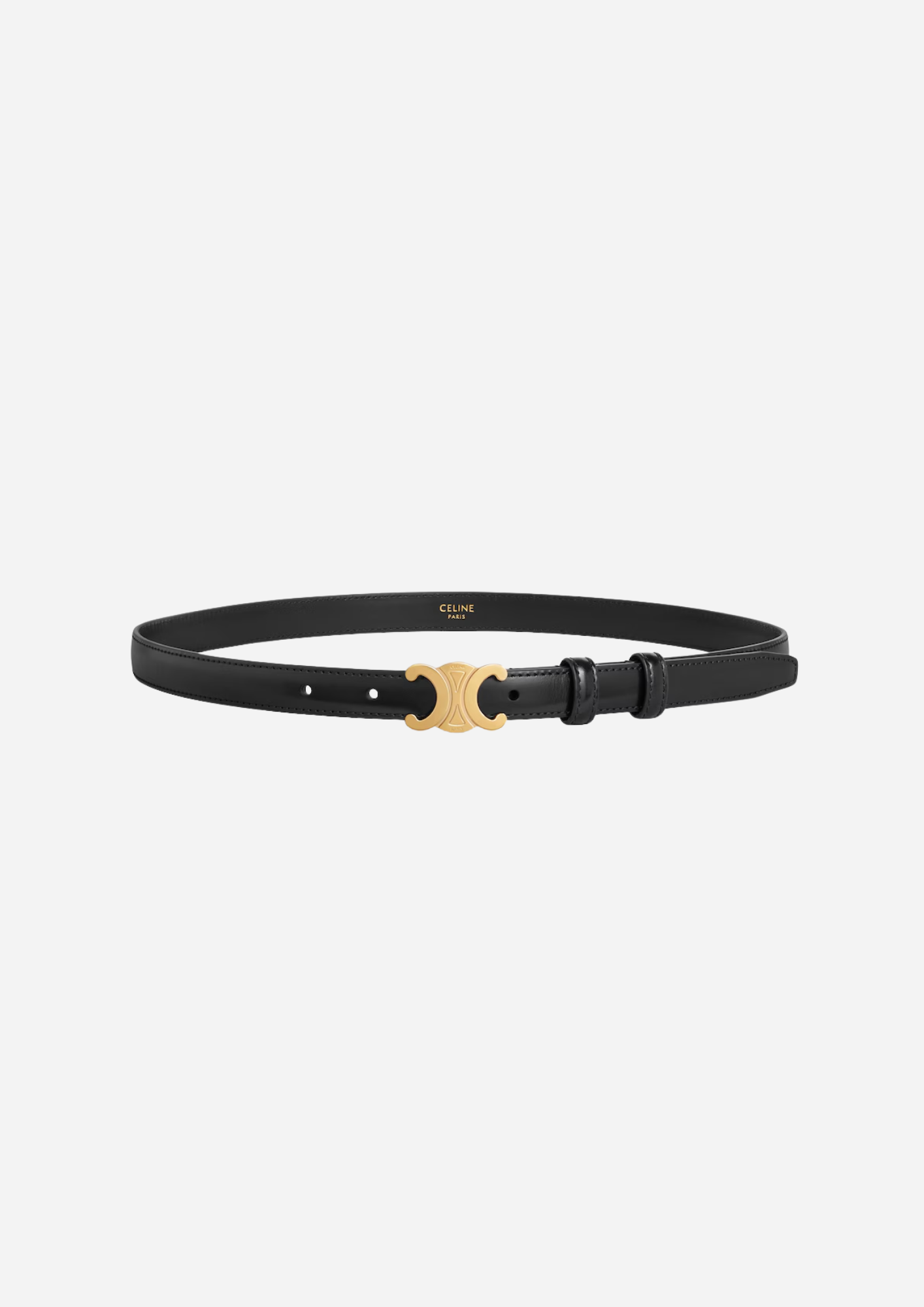
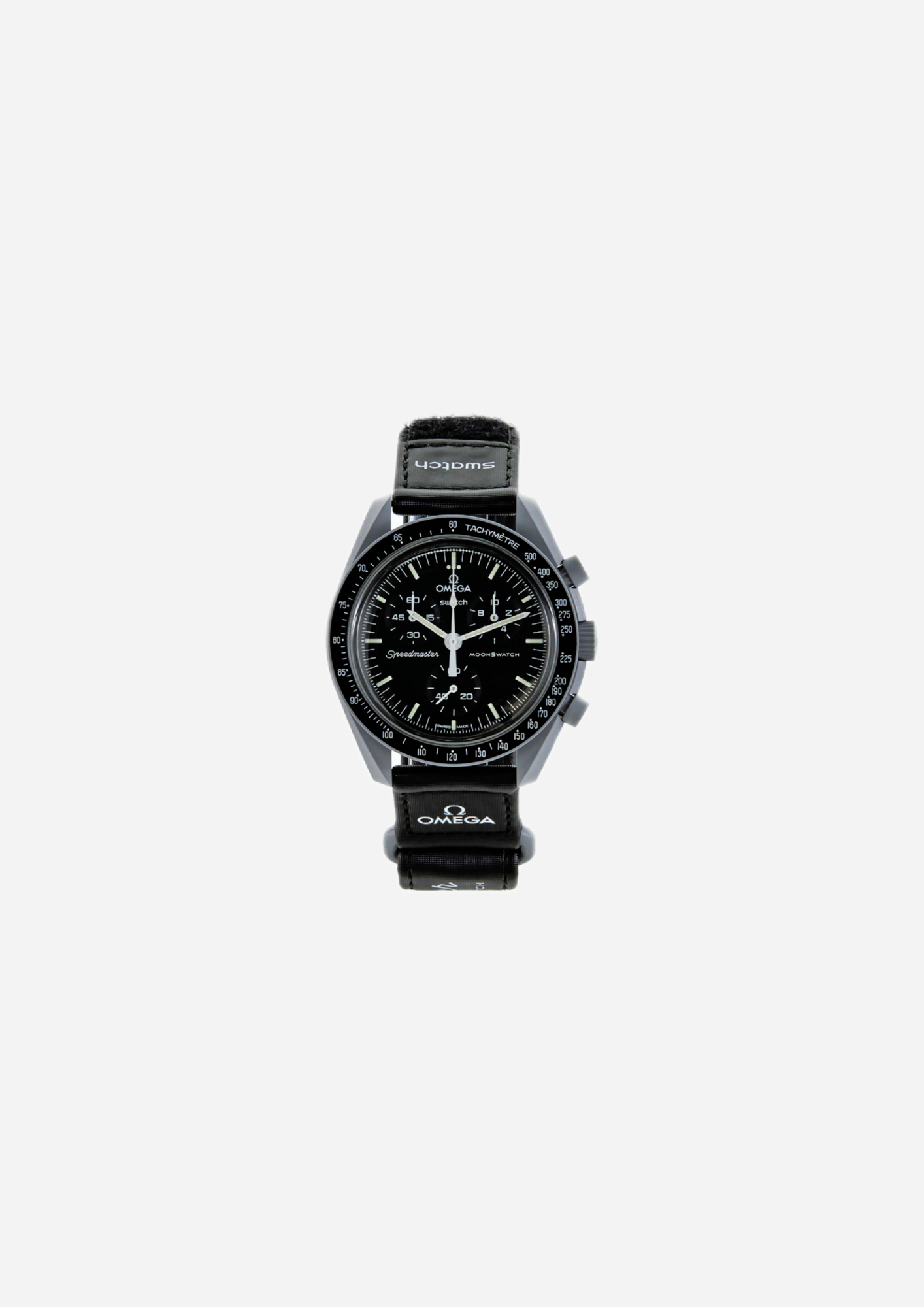
The MilanoMarktPlace selection brings together designer accessories with very different functions and design languages. MoonSwatch interprets the watch through colour and Bioceramic, Royal Pop explores the idea of an object that can be worn in different configurations, while Celine and Saint Laurent bring their house codes to belts through instantly recognisable buckles. In small leather goods, internal organisation and the choice of leather become just as important as the exterior appearance.
The most useful comparison therefore starts with the function of the object and only then with the brand: size, material, fastening system, configuration and frequency of use determine how well an accessory actually suits your needs.
Collectible watches: time as a design element
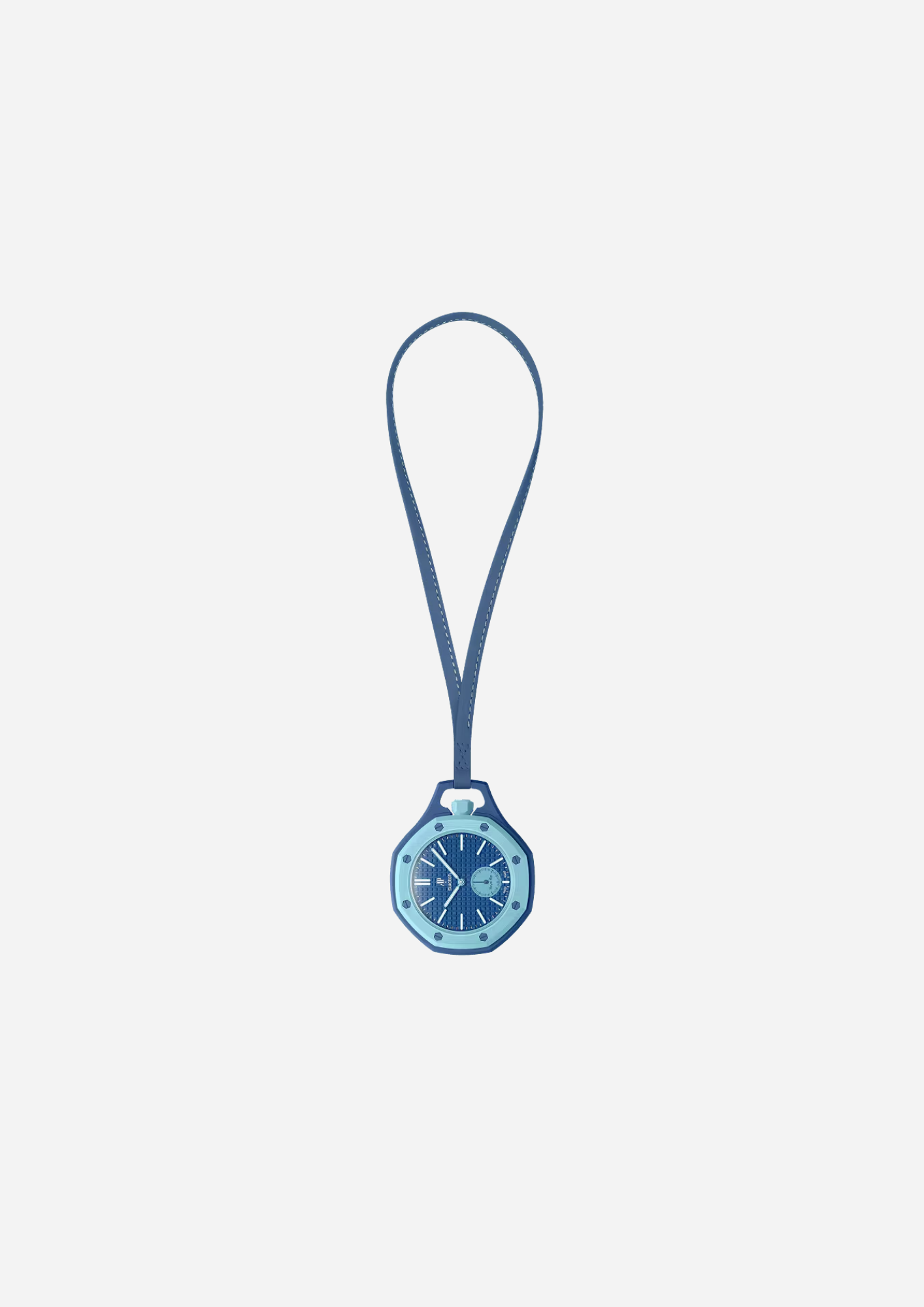
In collectible watches, the dial is only one part of the object's identity. Case, material, strap, movement and colour all contribute to the way a watch looks and feels on the wrist.
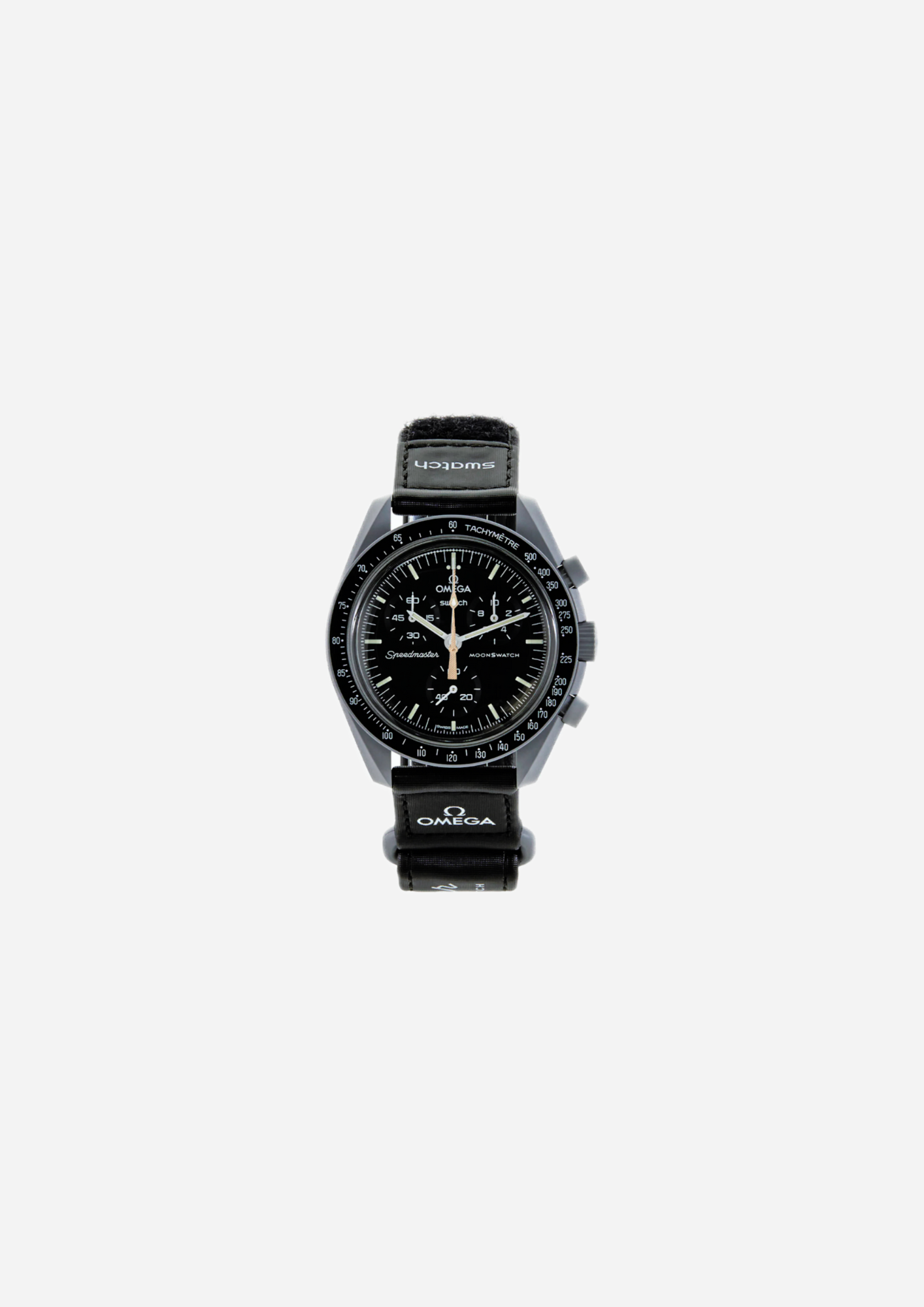
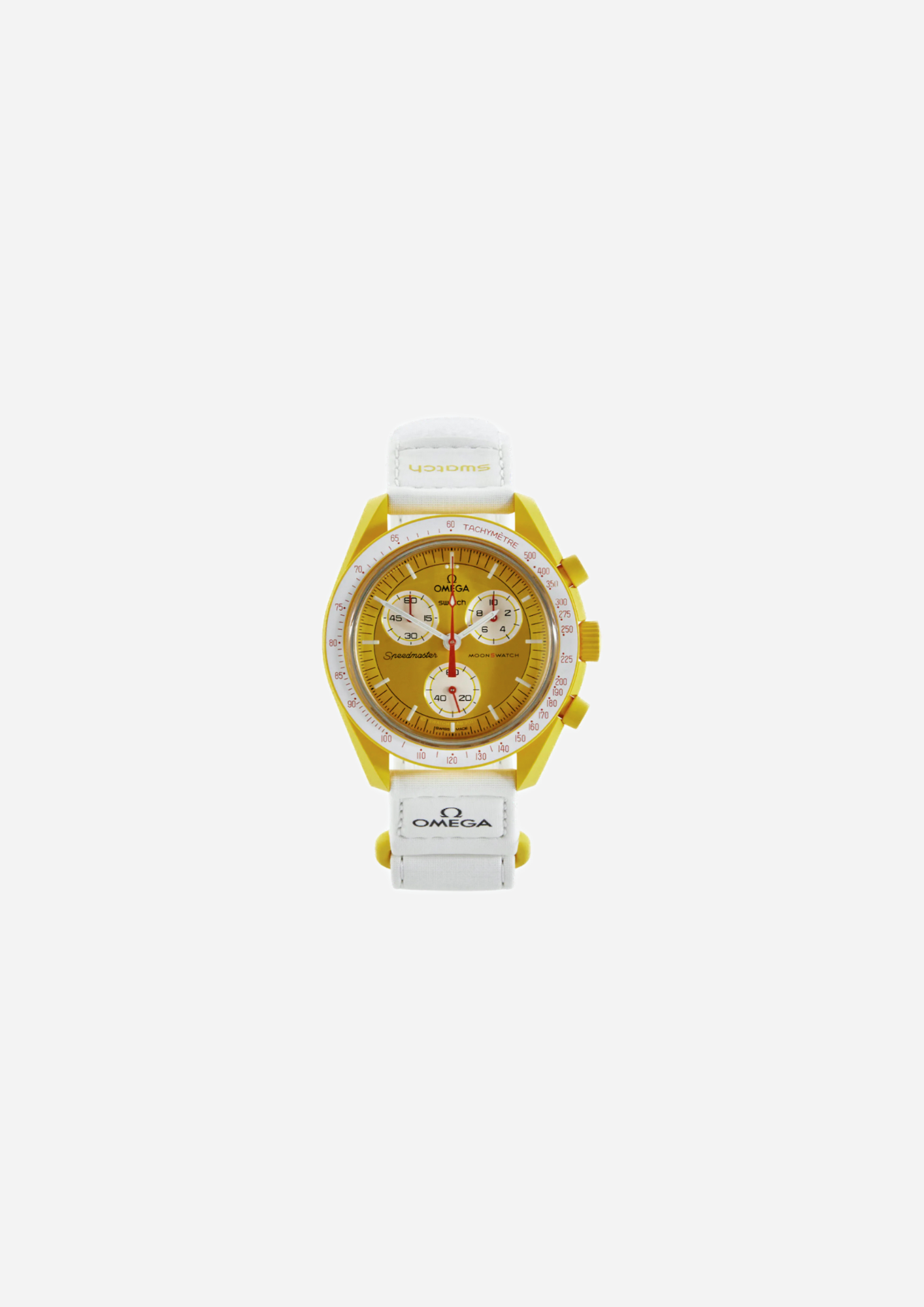
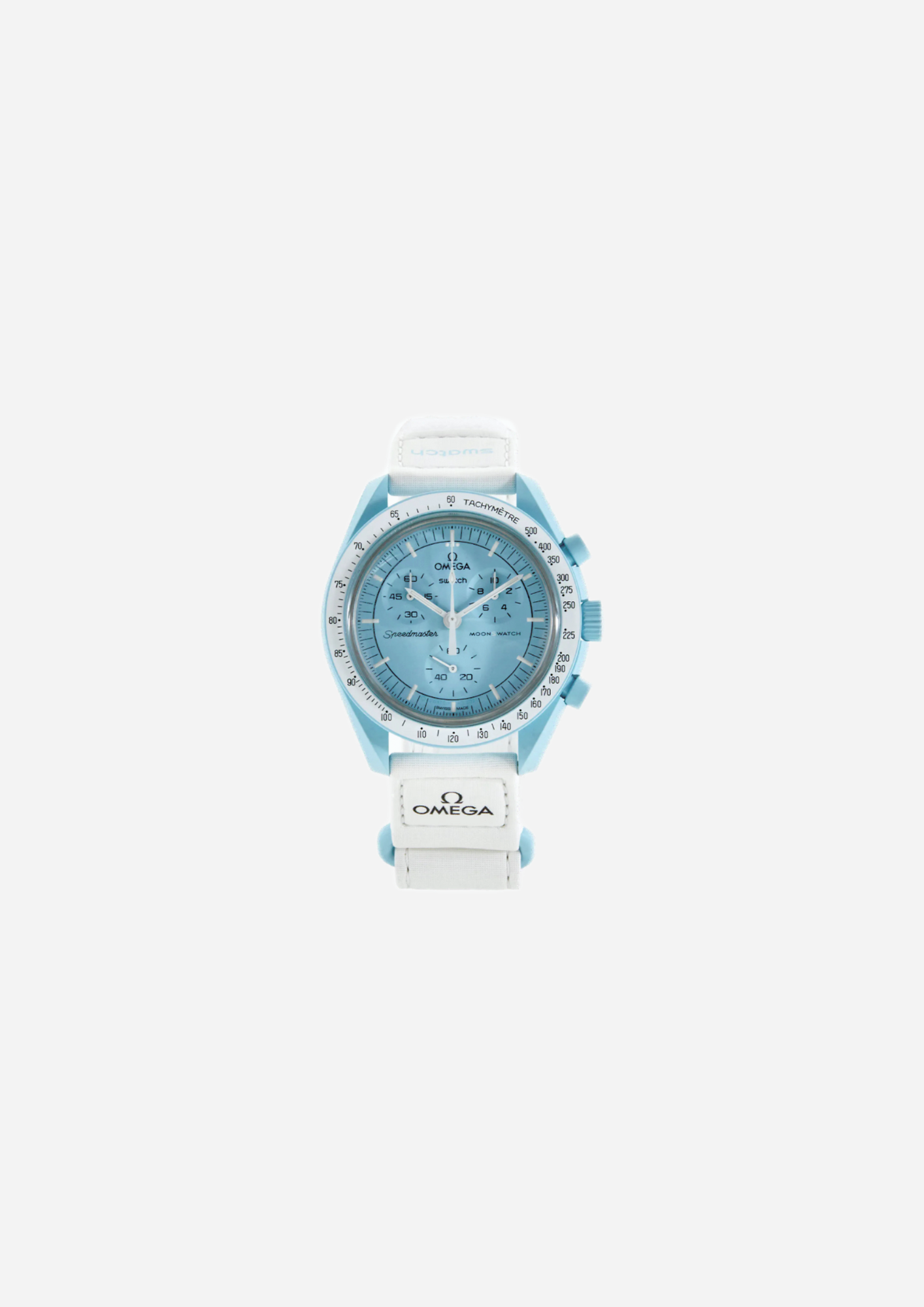
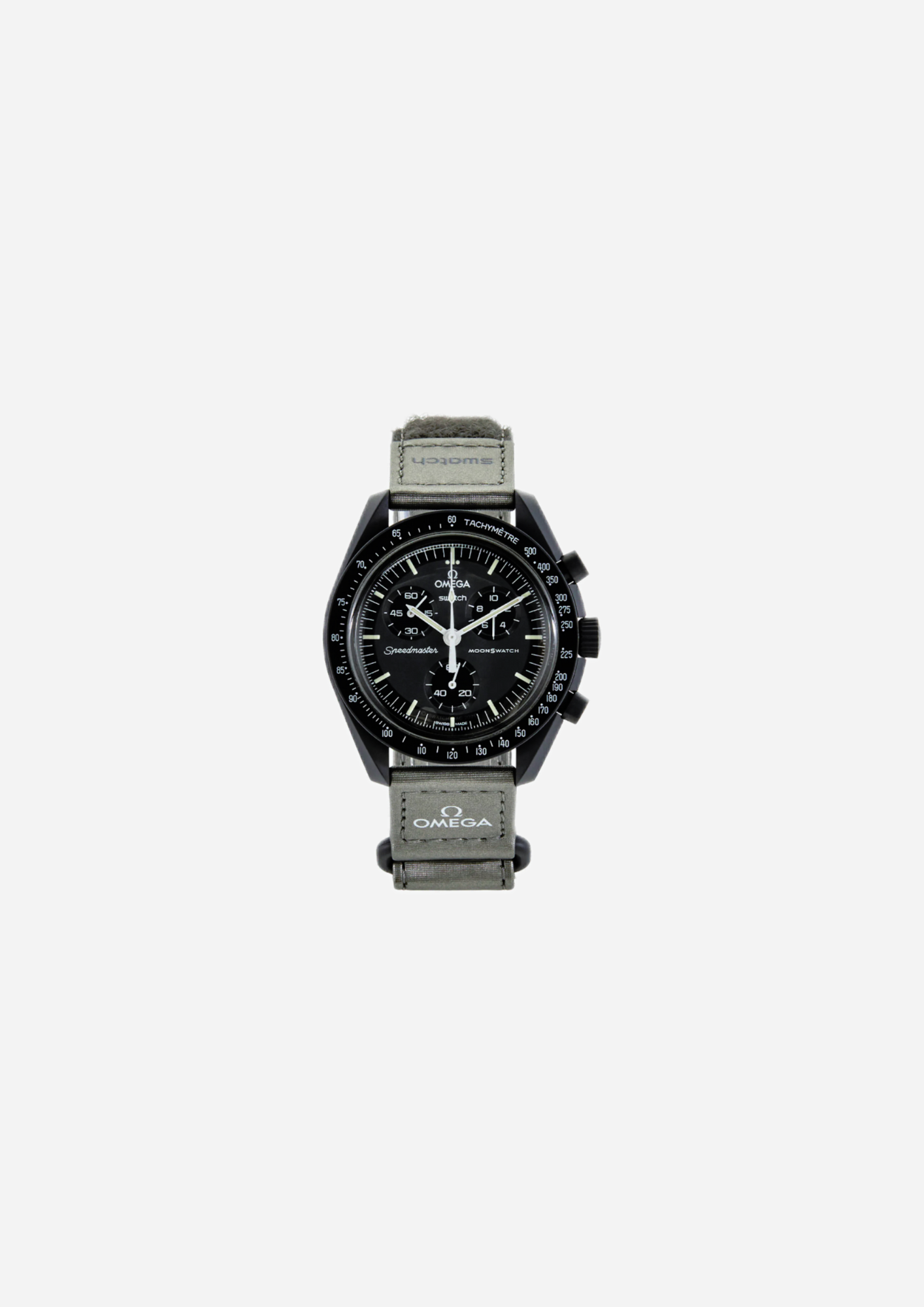
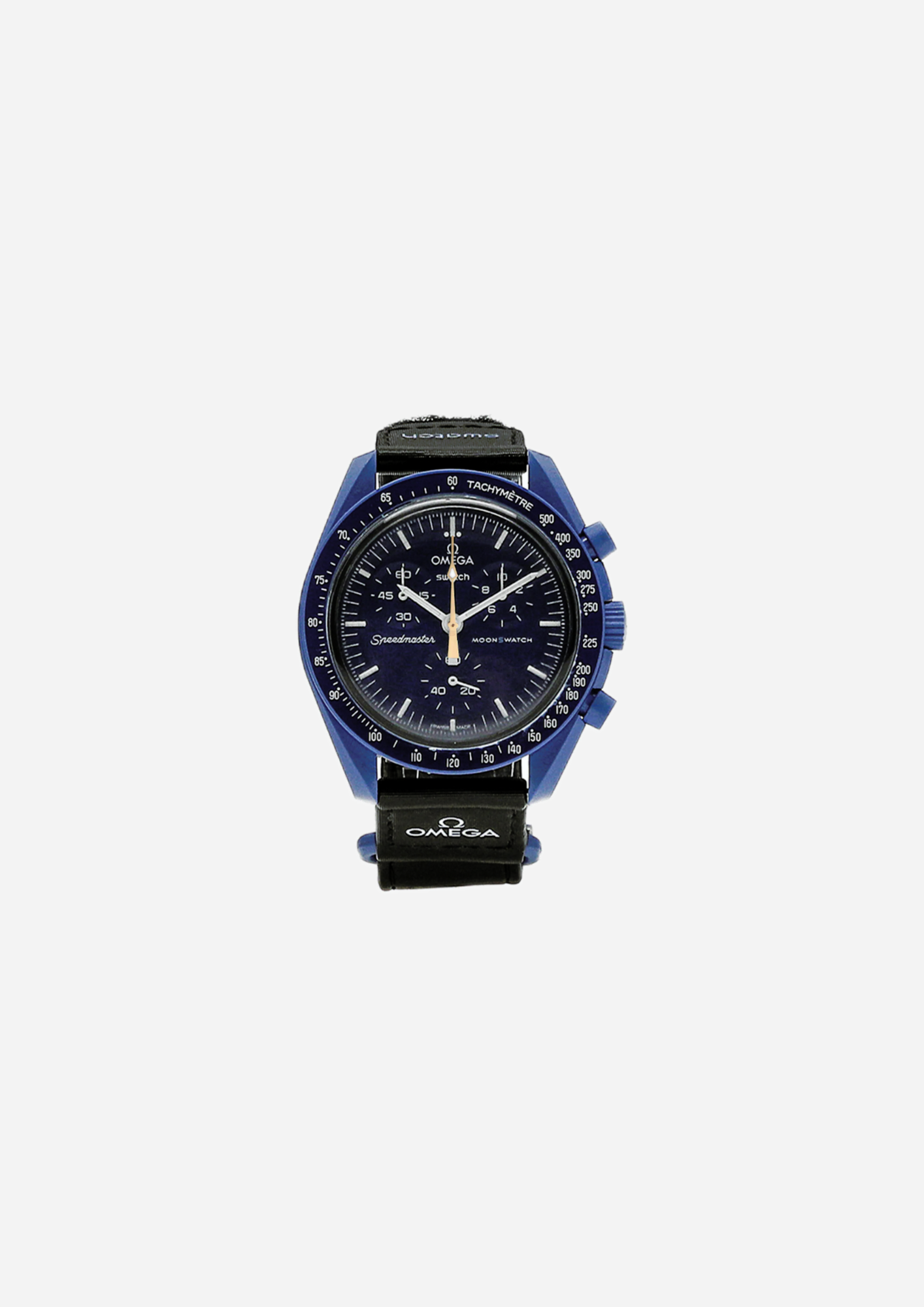
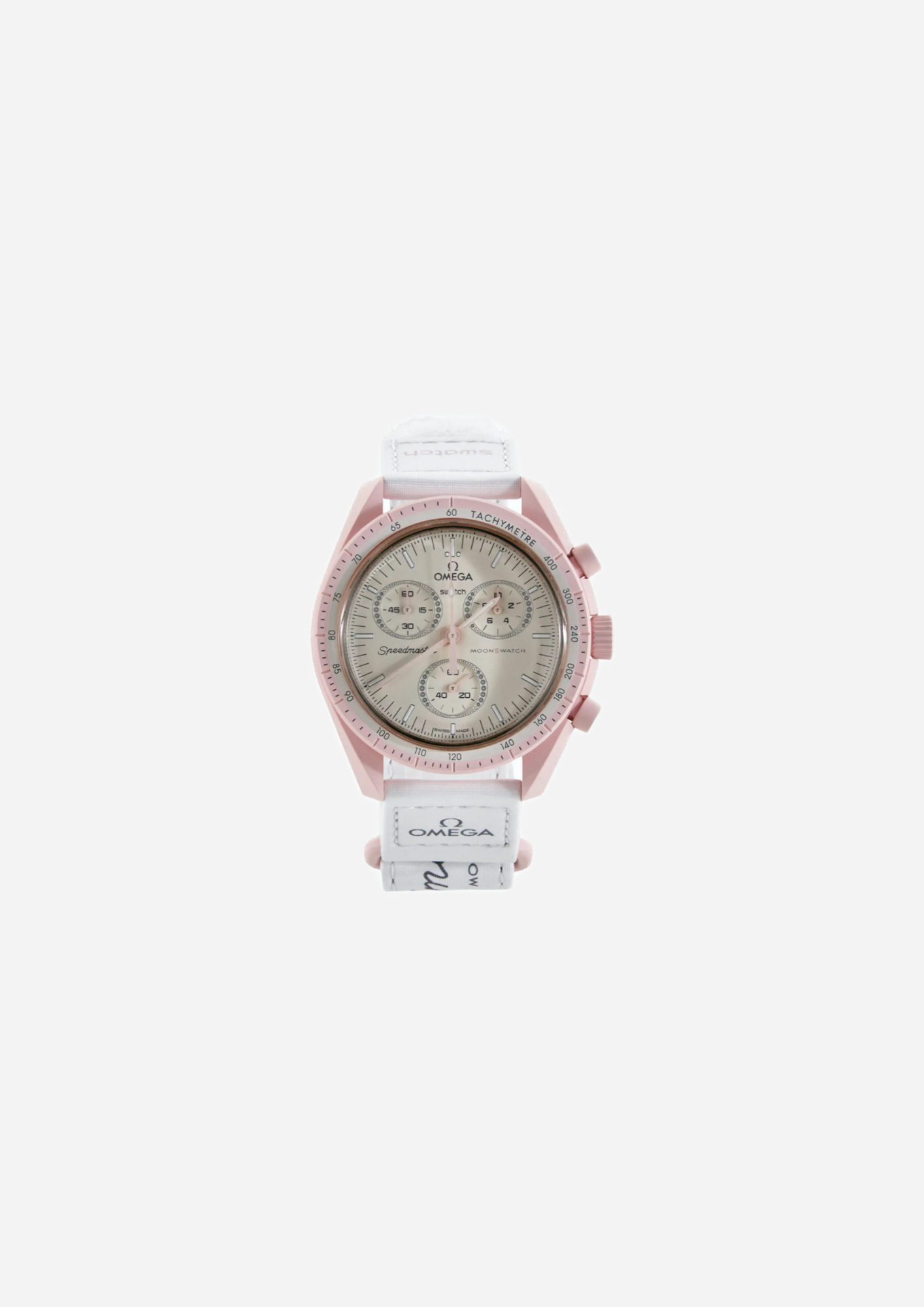
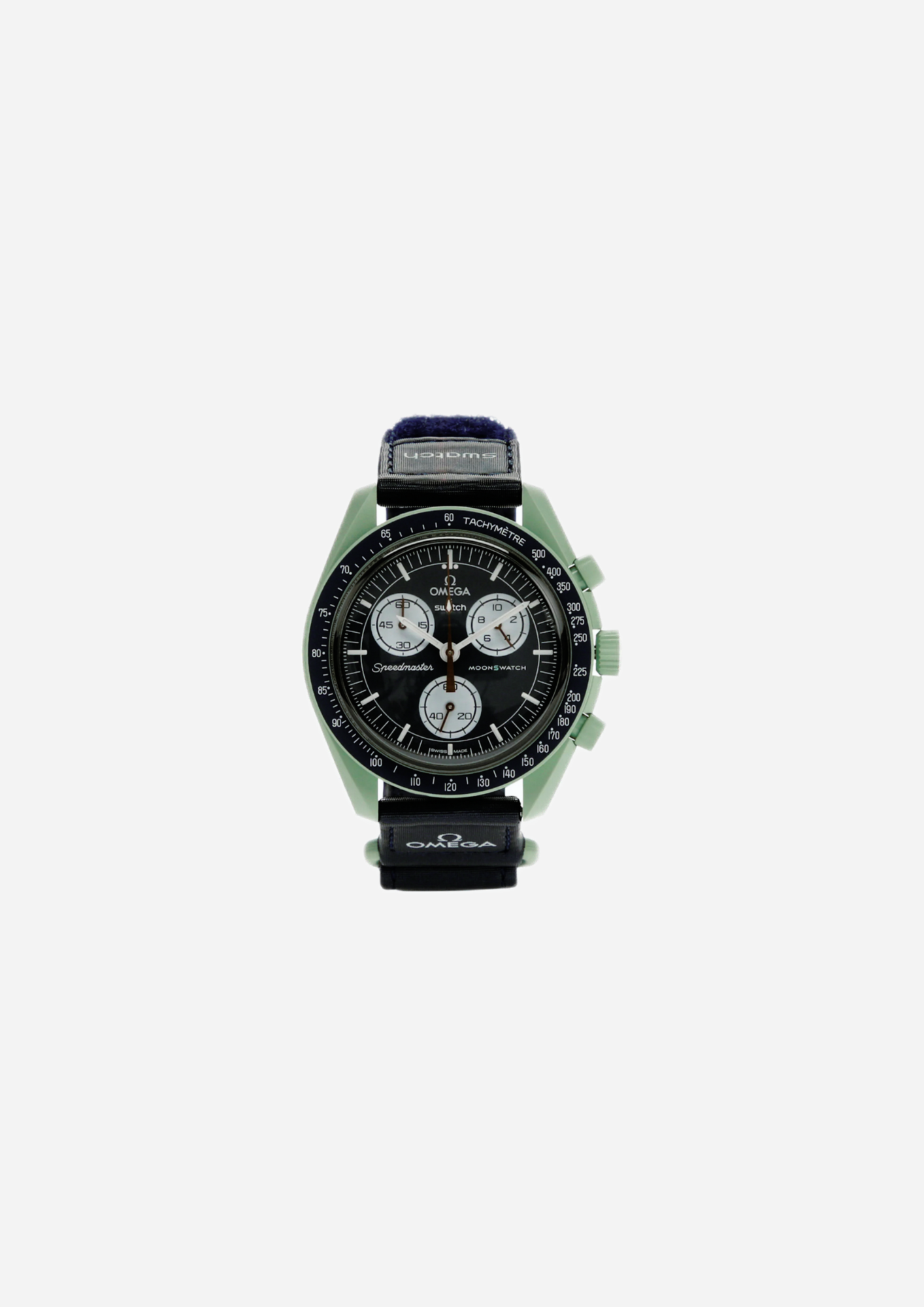
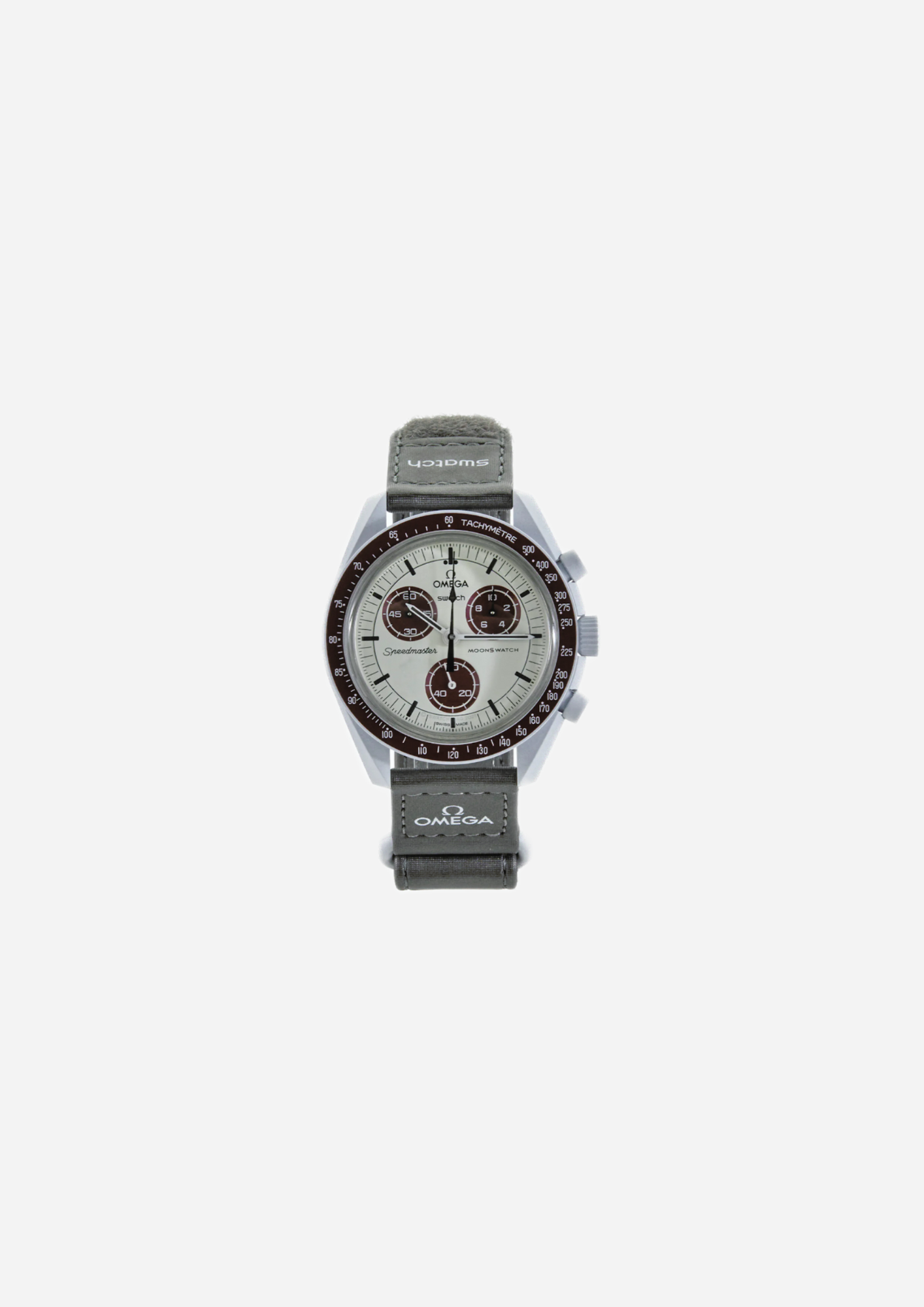
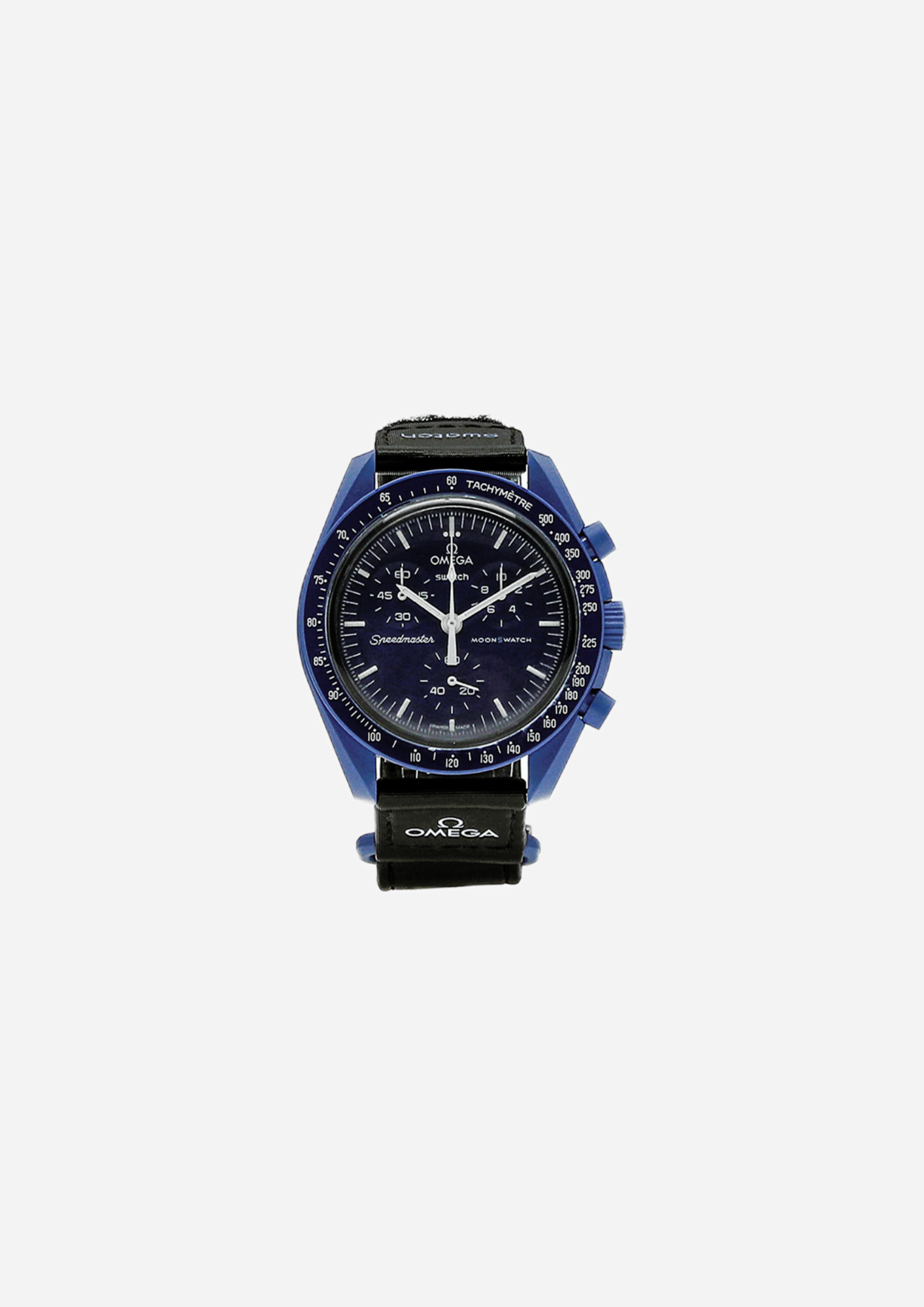
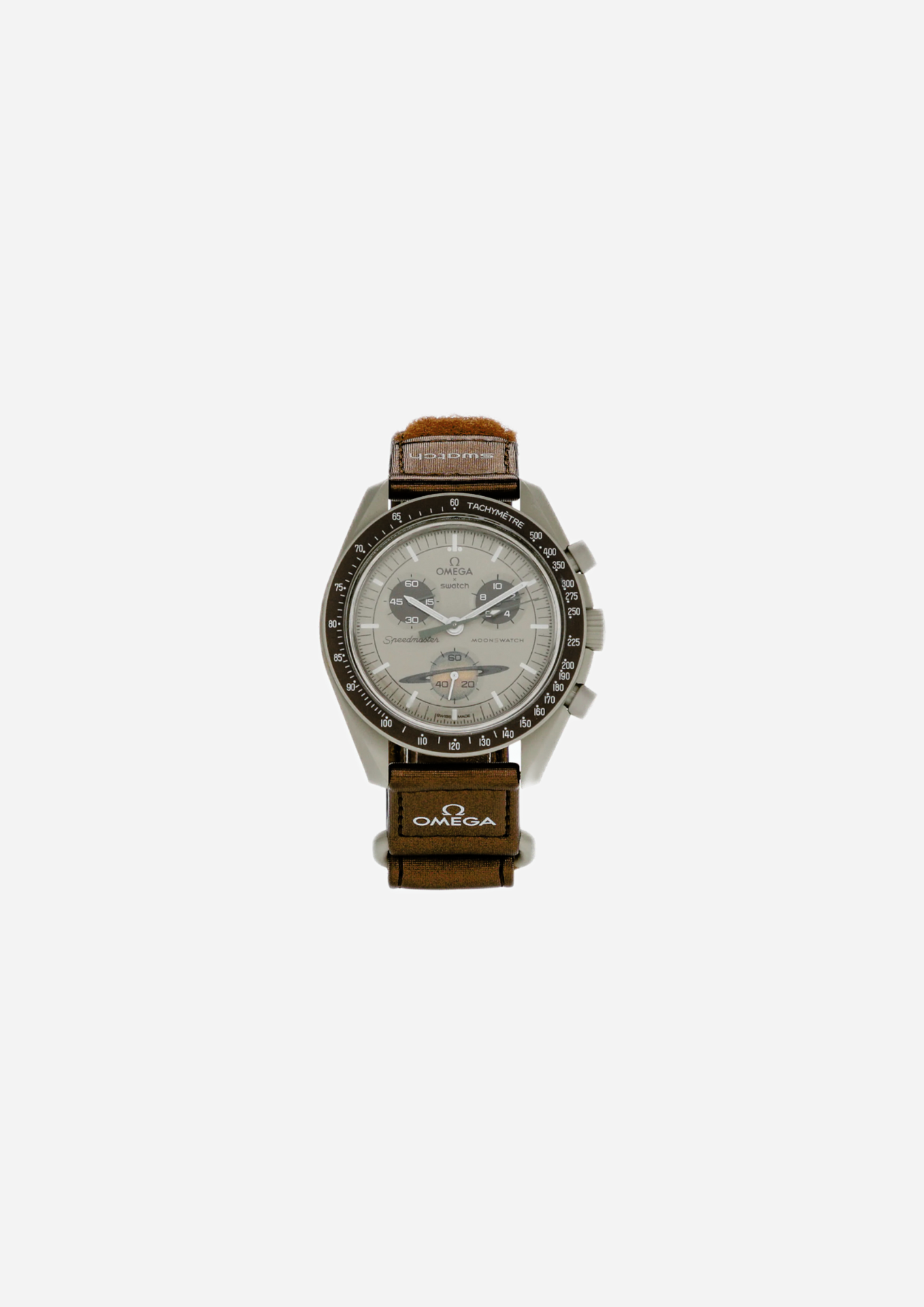
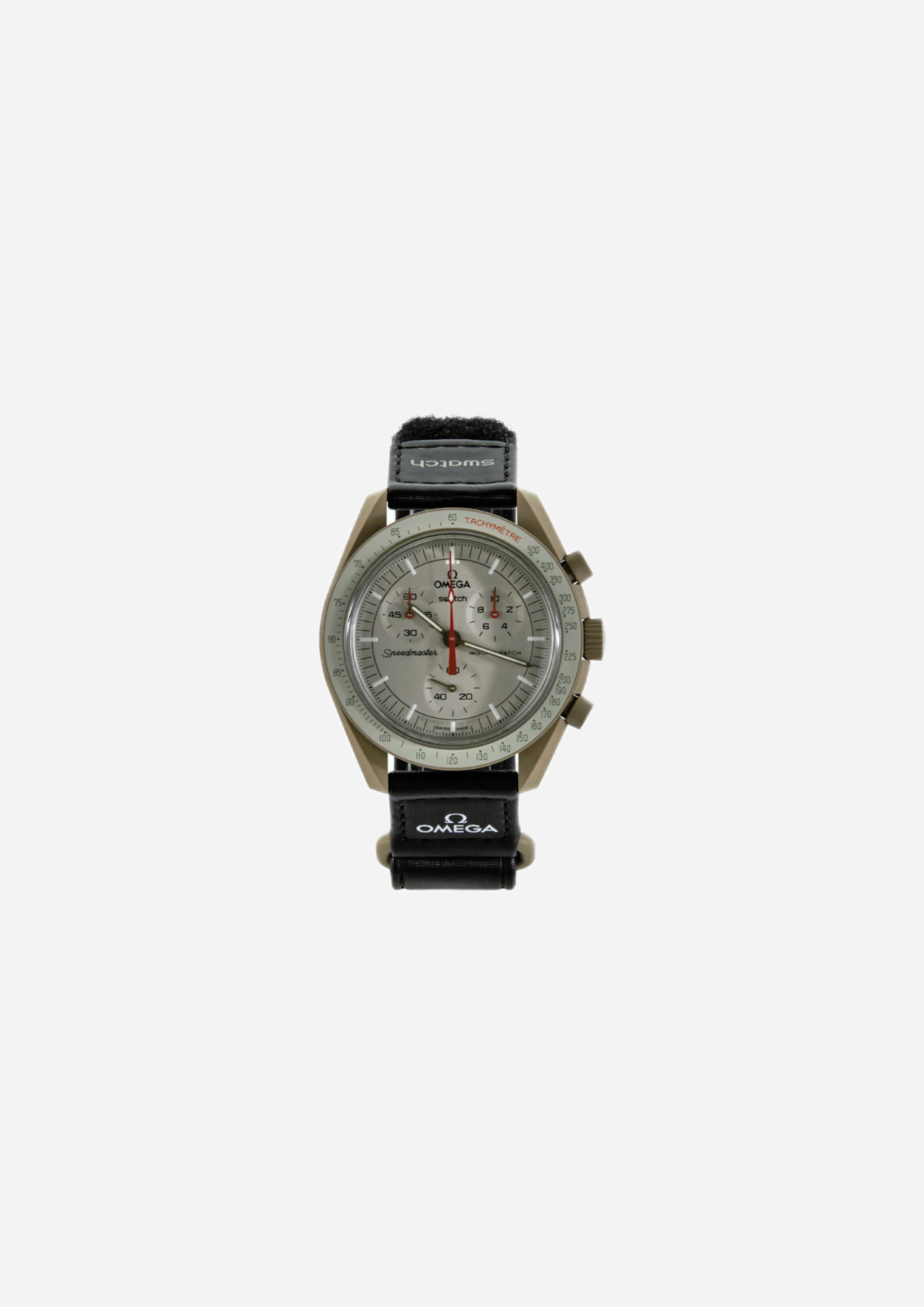
The OMEGA x Swatch MoonSwatch starts from the visual codes of the Speedmaster and reinterprets them through Bioceramic and a family of models inspired by celestial bodies. Mission to the Moon stays closer to a lunar aesthetic, while the other Missions use different colour combinations across the case, dial and details without abandoning the chronograph layout.
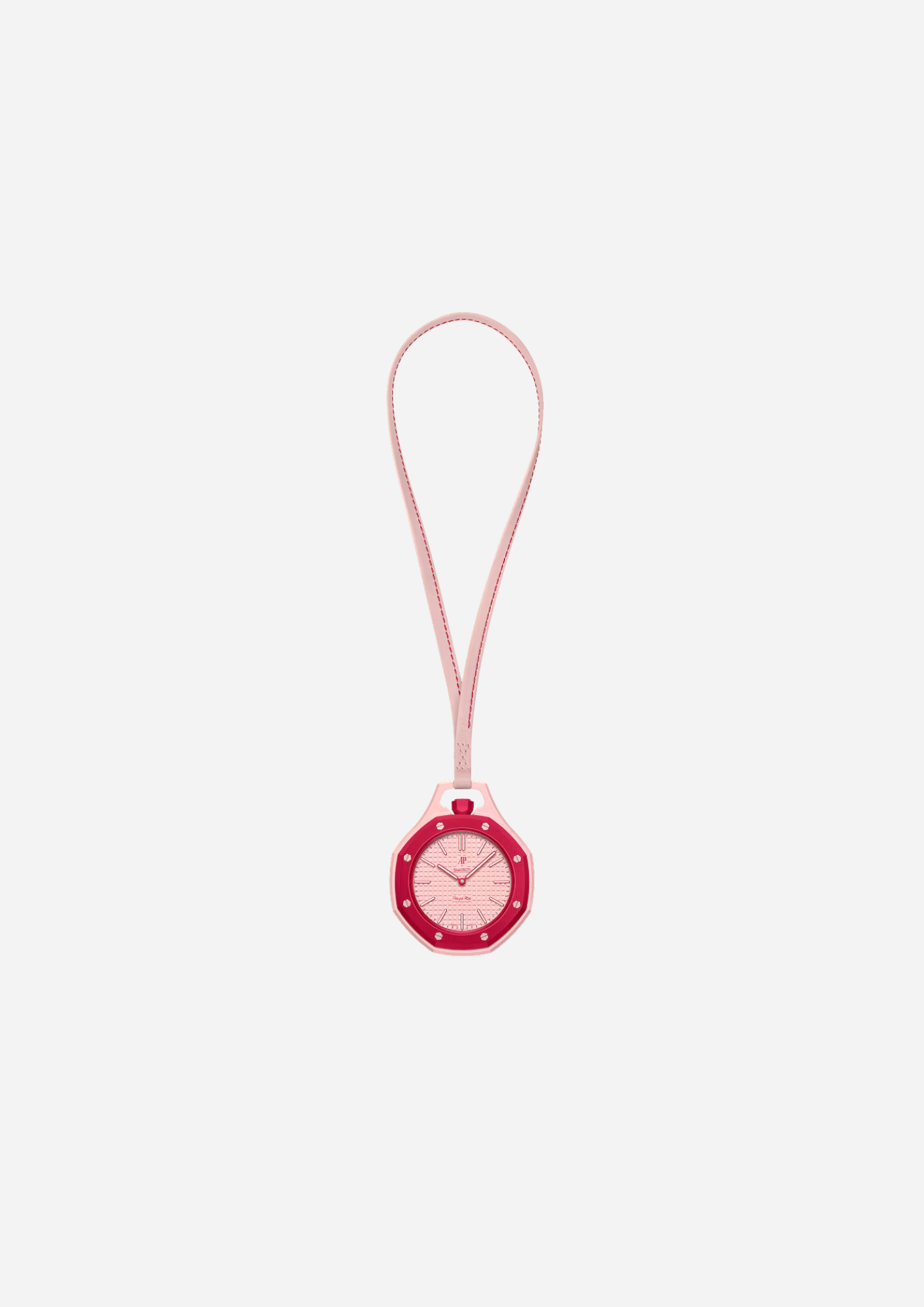
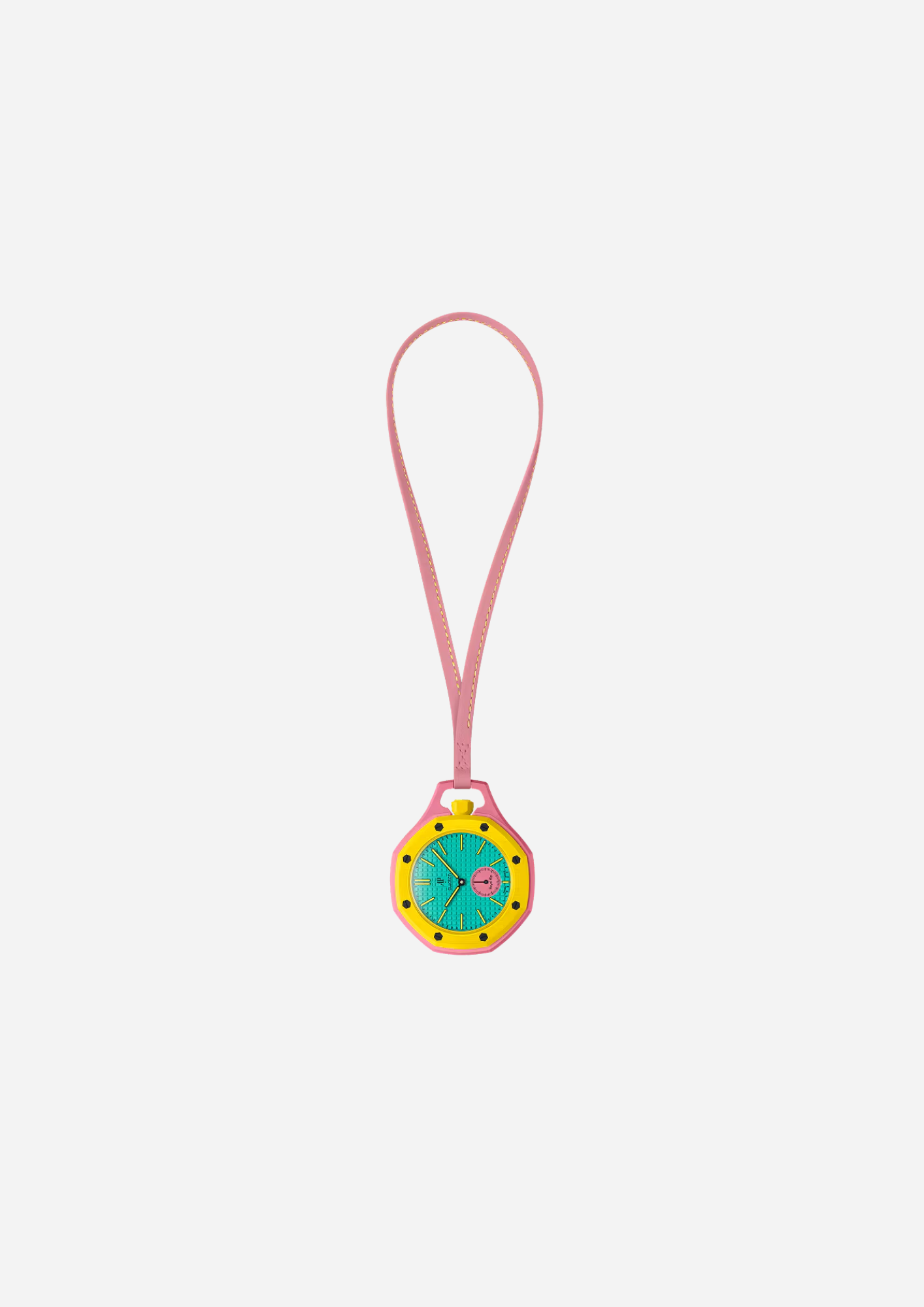
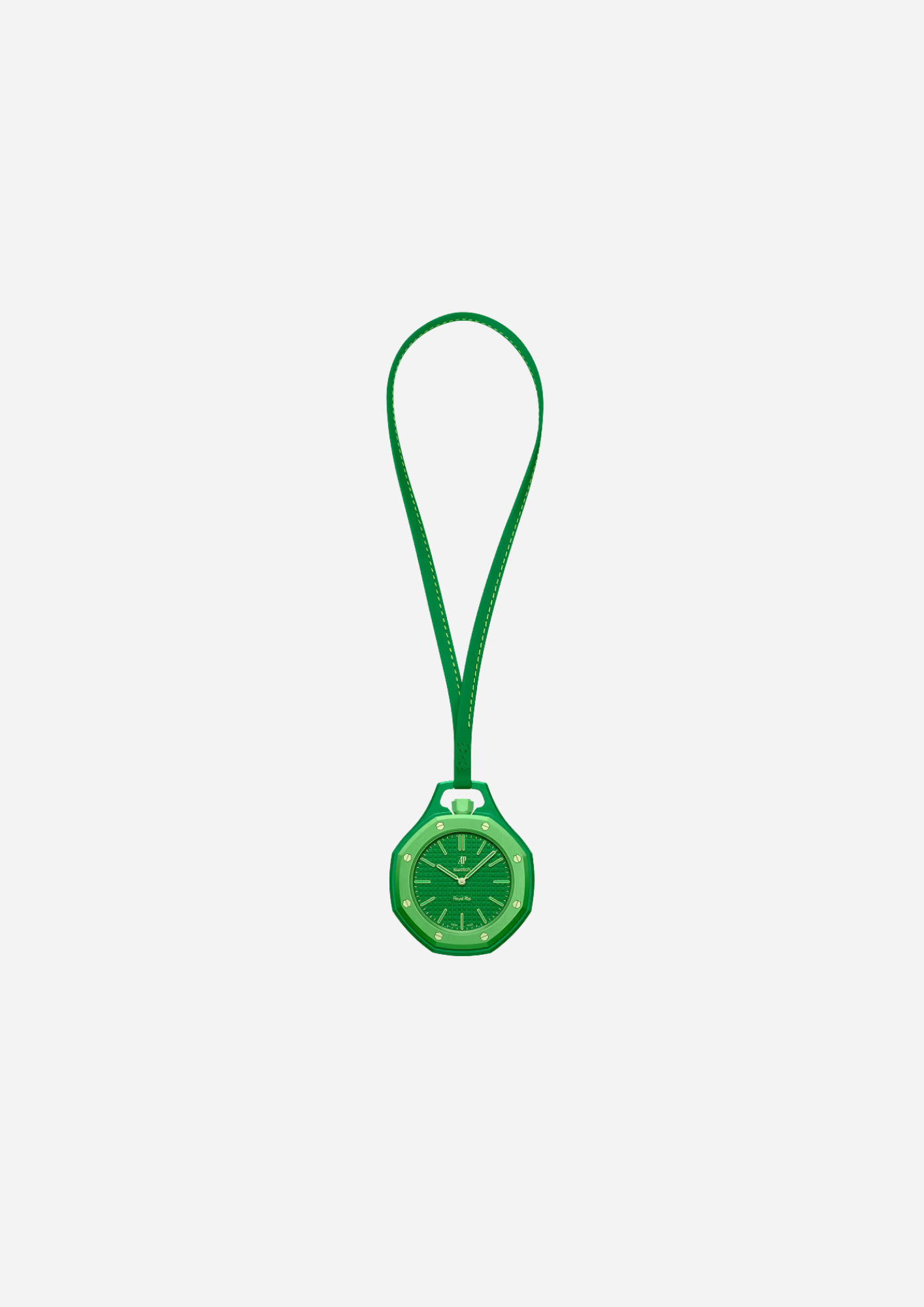
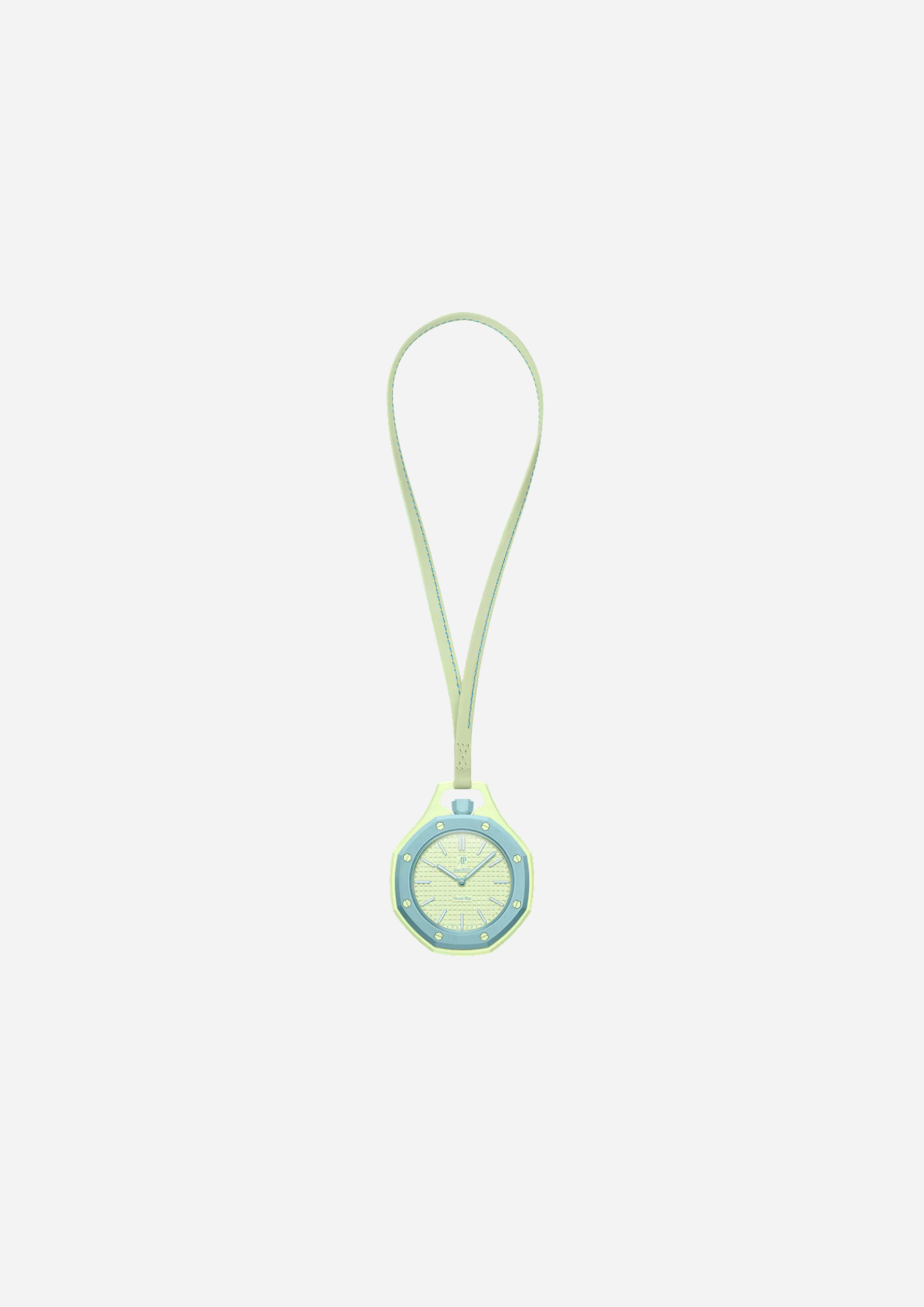
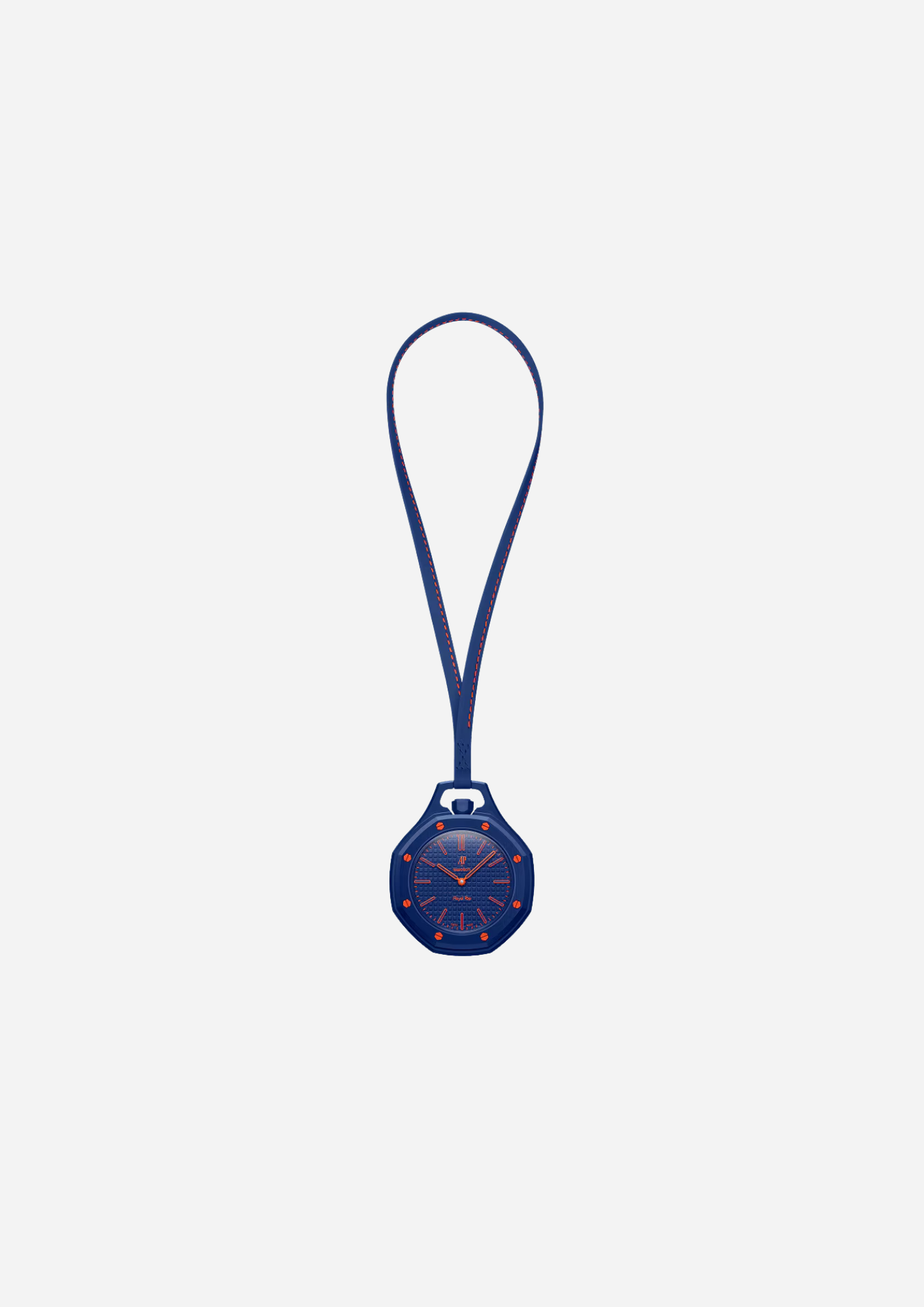
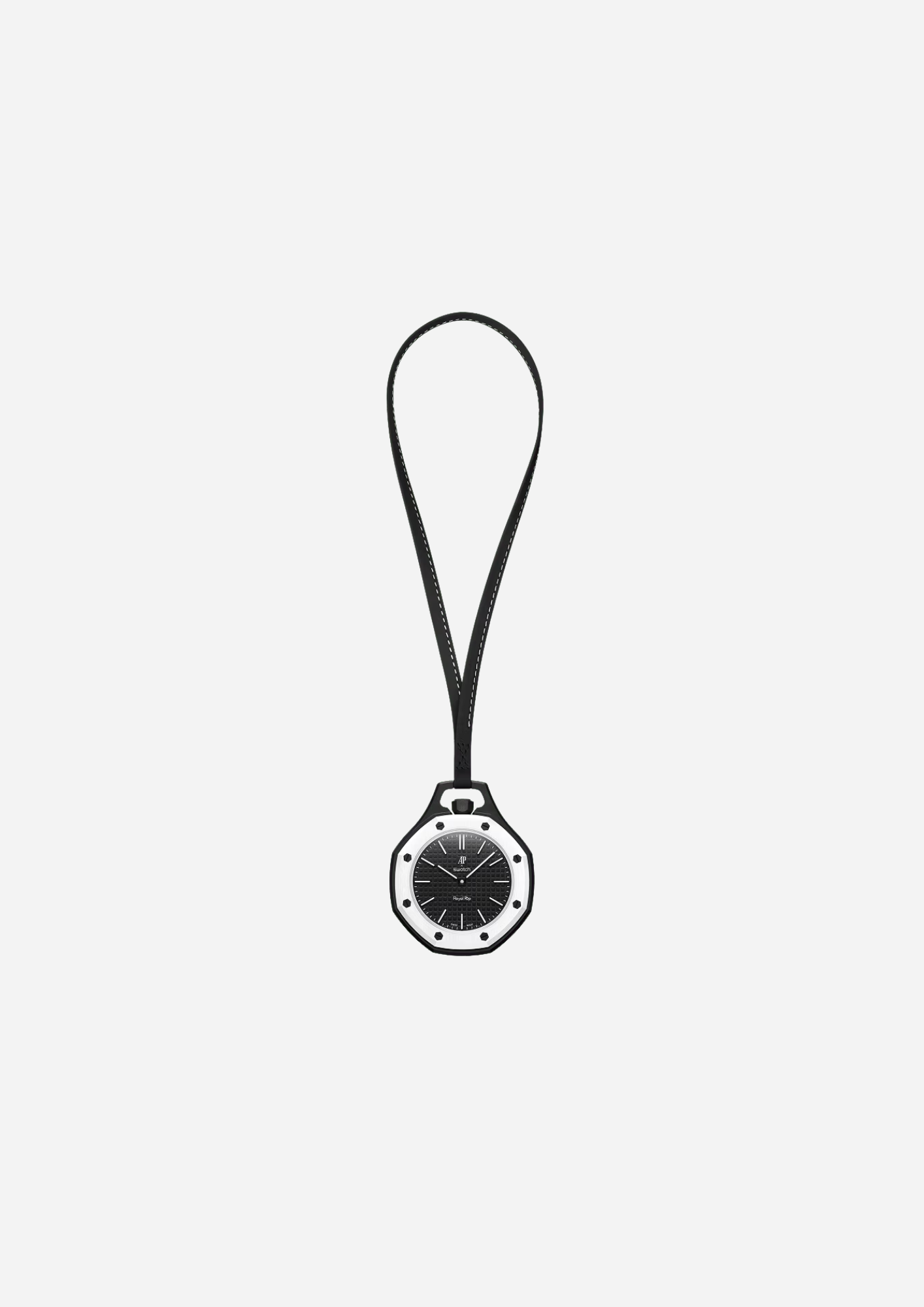
Royal Pop follows a different logic, focused more on the transformability of the accessory. The way it is worn becomes part of the design: configuration, supports and wearing options change the relationship between object and body more than they would in a traditional watch.
Two watches can therefore have relatively similar dimensions while expressing completely different ideas. When comparing them, it is worth considering not only aesthetics and colour, but also movement type, materials, strap configuration and how you expect to use the model.
Designer belts: leather, proportions and buckles
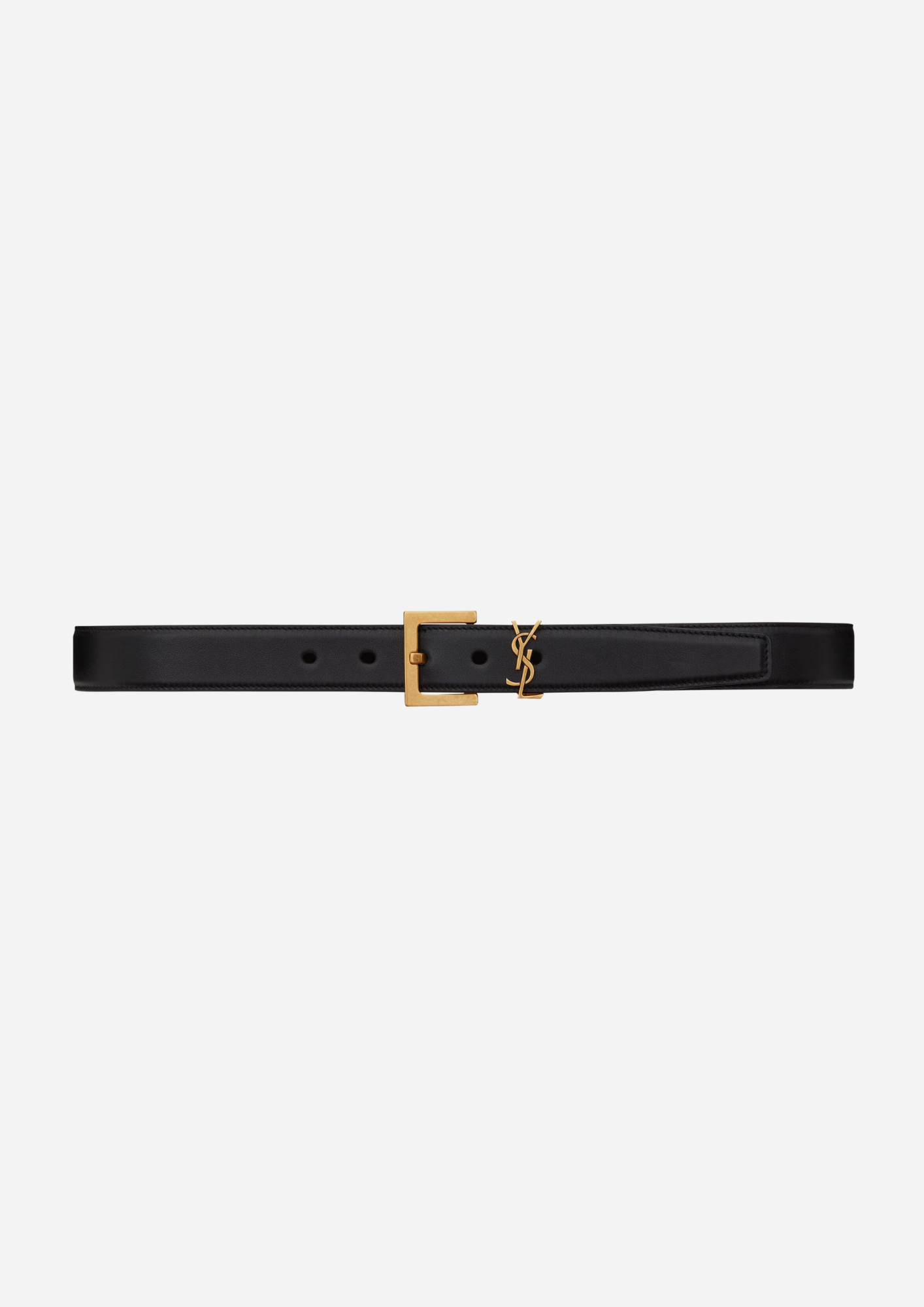
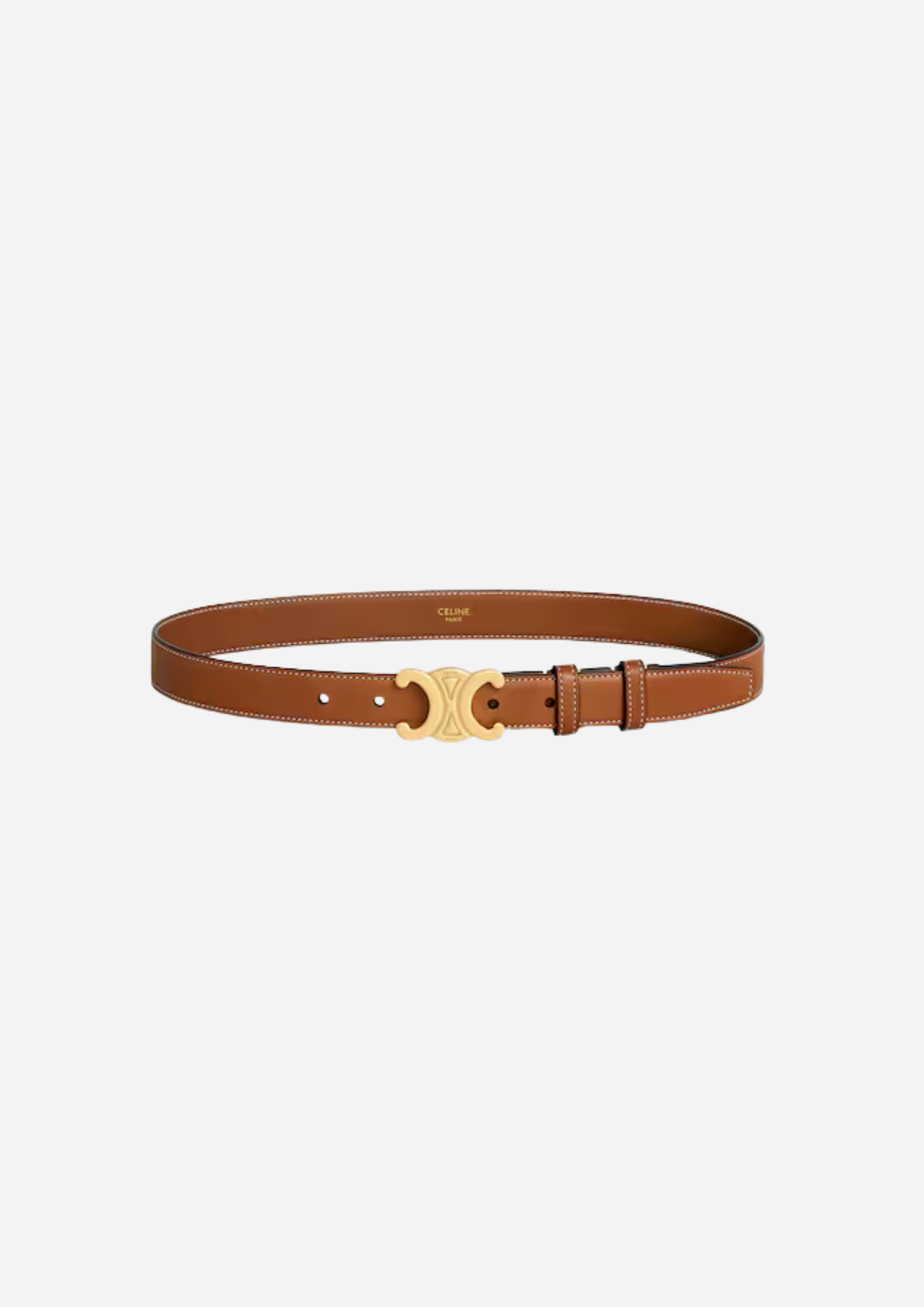
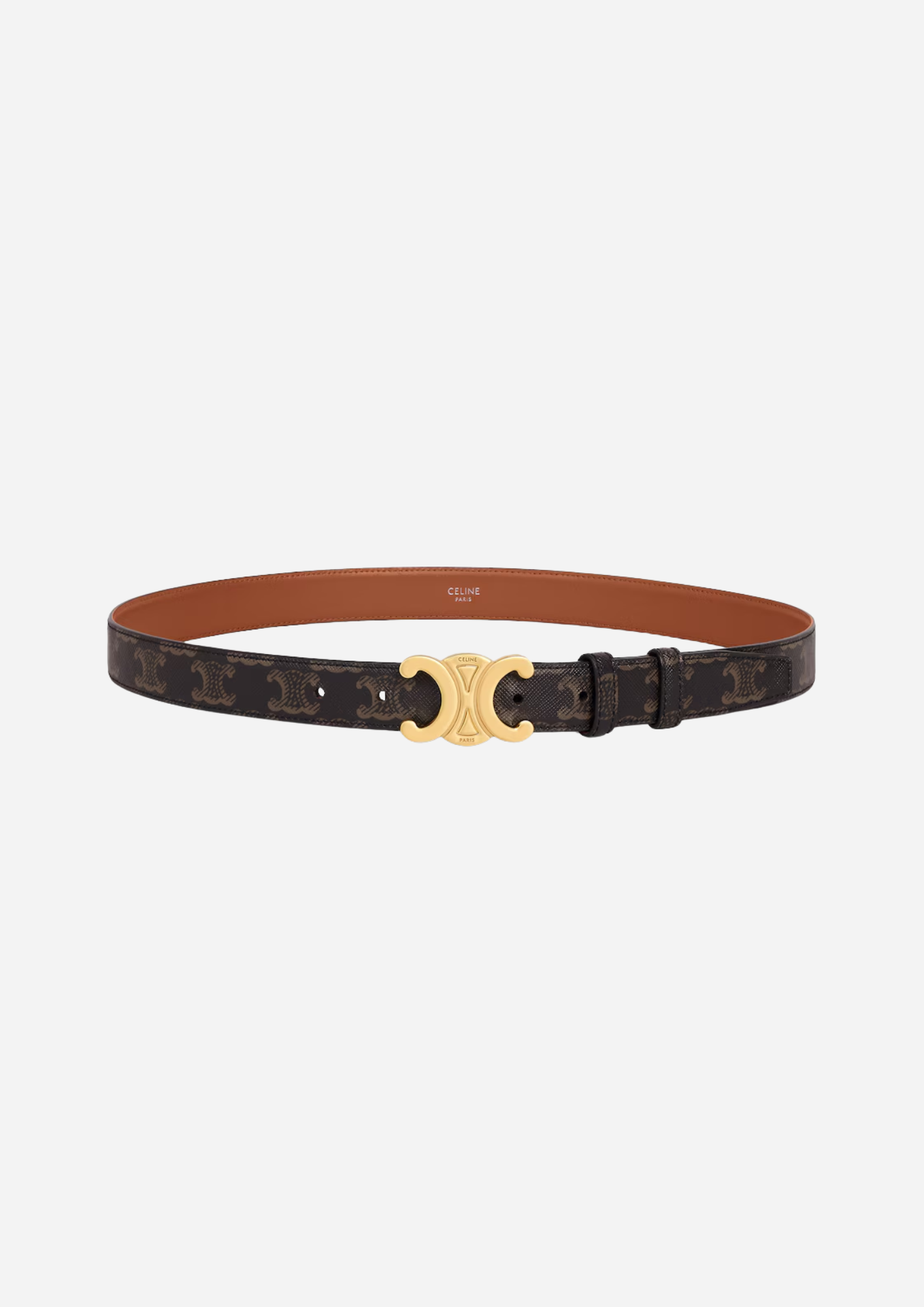
Designer belts directly influence the proportions of an outfit. Strap width, leather colour and buckle size determine whether the accessory remains discreet or becomes a focal point.
Celine uses the Triomphe as the central element of the fastening, turning the buckle into the belt's instantly recognisable signature. On black leather the contrast with the hardware can appear sharper, while tan shades and different materials create a softer relationship between surface and metal.
Saint Laurent follows a different direction with the Cassandre, where the YSL initials become part of the buckle construction. Even between belts that seem similar in colour and dimensions, the shape of the hardware and the width of the leather can noticeably change the result once worn.
Size deserves the same attention as design. The nominal size alone is not enough: hole placement, belt width and whether it will be worn at the waist or hips all affect the actual fit.
Small leather goods: organisation and materials
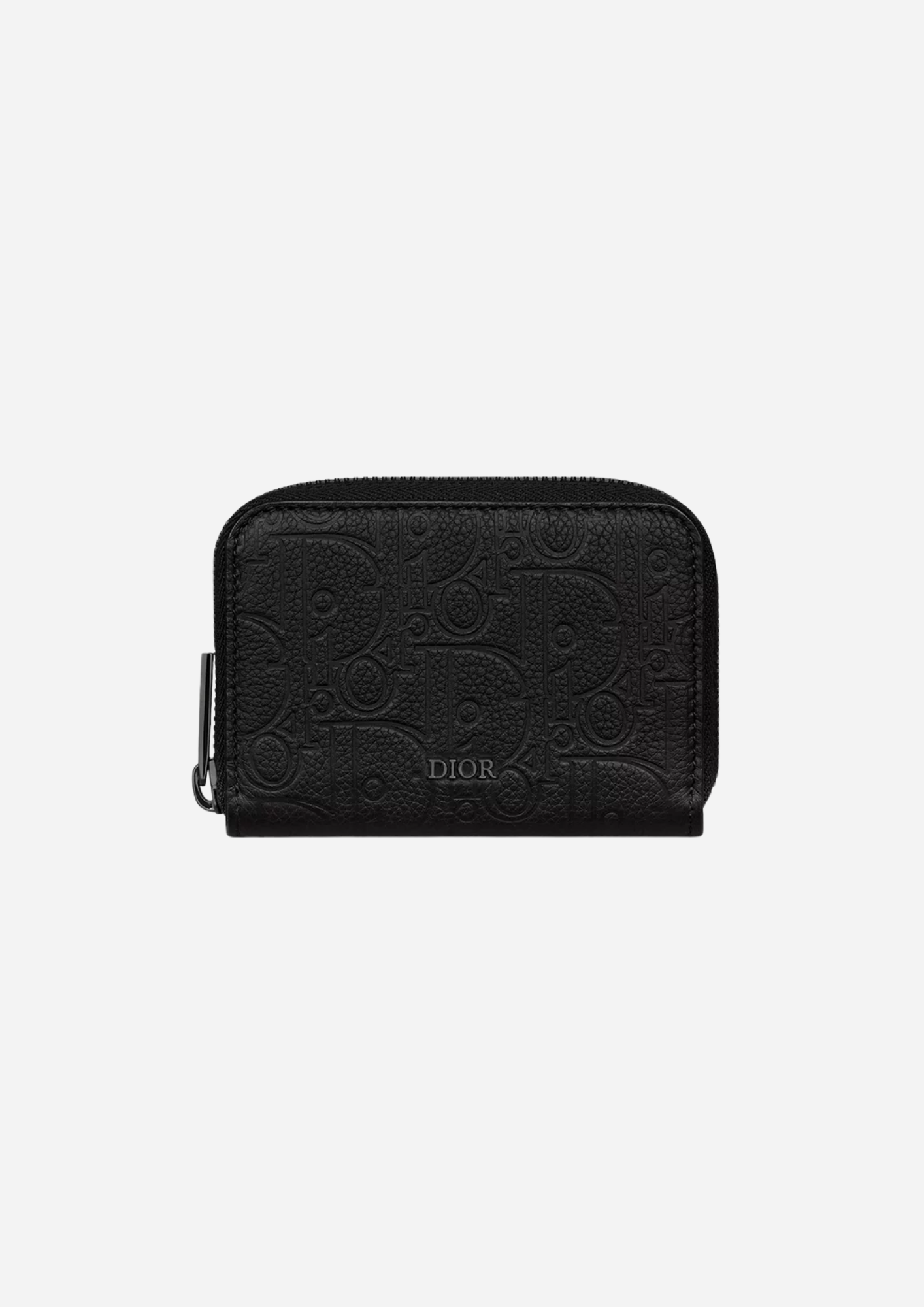
In small leather goods, a few centimetres have to solve very practical needs. Card holders, coin purses and small accessories are opened, closed and handled frequently, so internal construction and ease of access matter just as much as leather and exterior details.
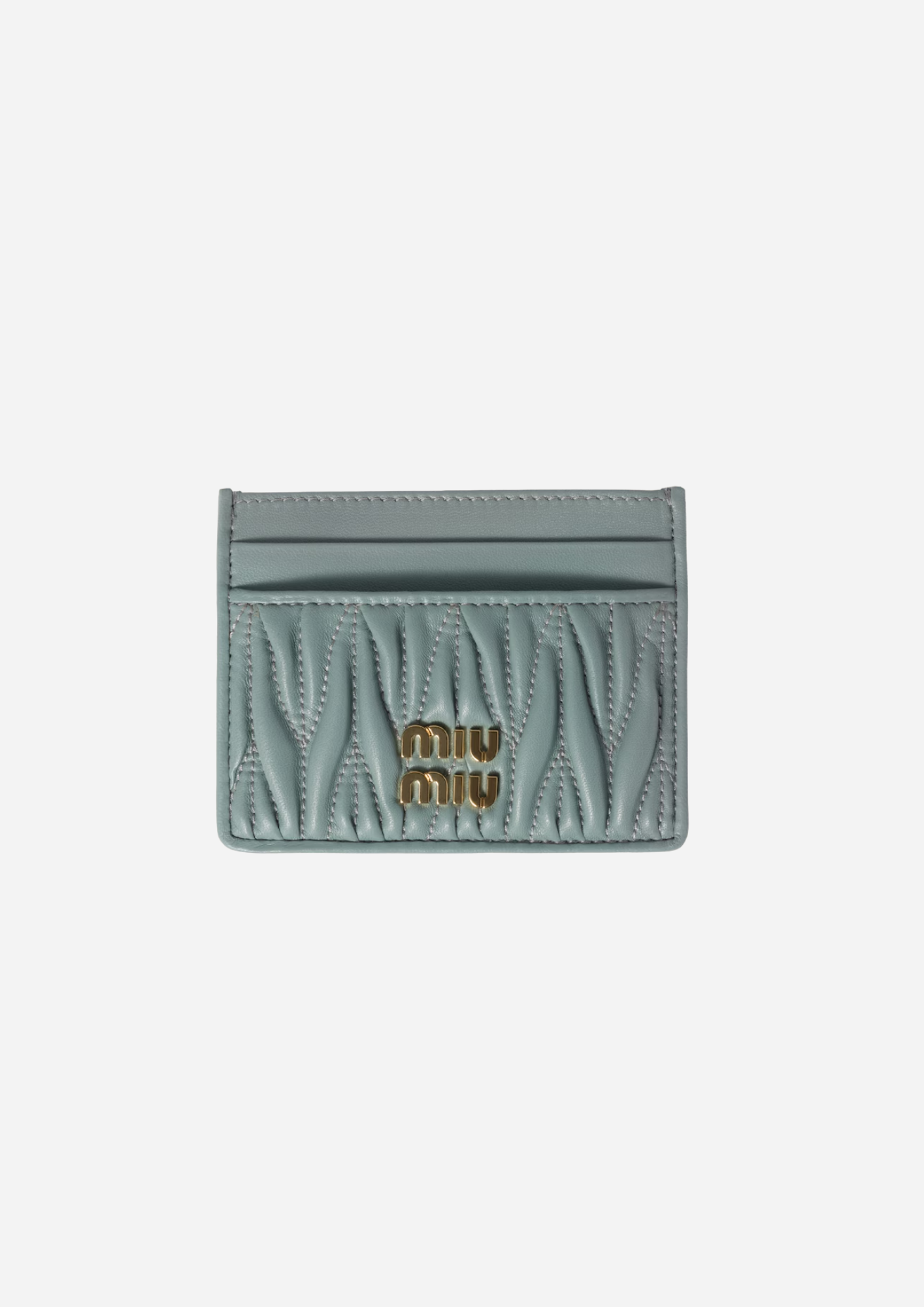
A slim card holder prioritises immediate access and reduces bulk, while a zipped coin purse protects its contents more fully but introduces a more enclosed structure. The number of compartments, orientation of openings and presence of a zip therefore change how the accessory works in everyday use.
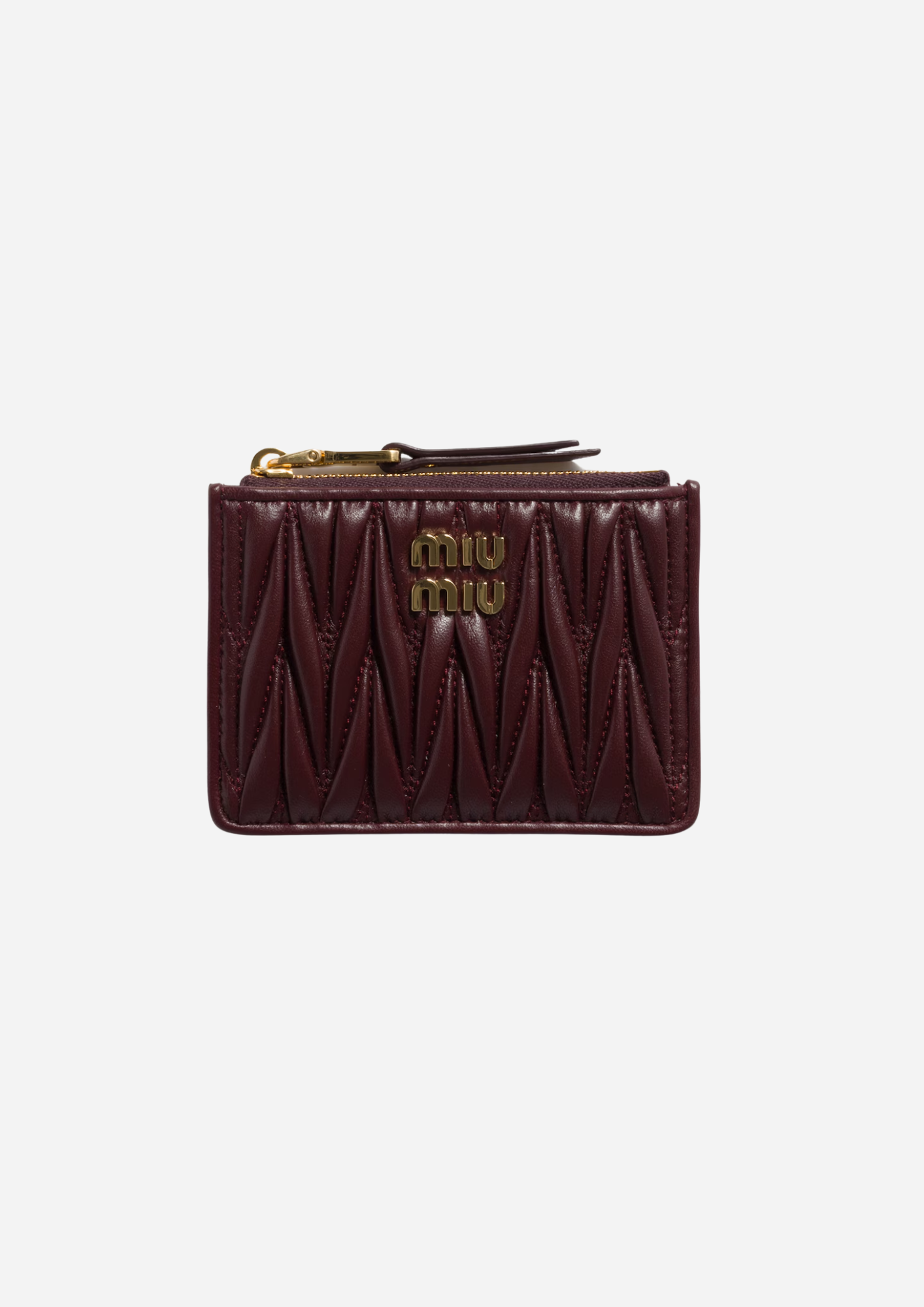
Material also has a strong effect on the overall impression. Miu Miu matelassé nappa leather creates a soft, three-dimensional surface despite the compact format, while smoother leathers or graphic treatments such as those used by Dior produce a more uniform result.
On small objects every detail carries more visual weight: stitching, edges, zips, logos and metal finishes occupy a larger proportion of the surface and become important points of comparison between references.
How to choose a designer accessory
The choice should start with function. An accessory used every day should be assessed differently from an object purchased mainly for collecting or for specific occasions.
For a watch, case dimensions, movement, material and strap determine comfort and wrist presence. A brightly coloured case or an unusual configuration can make the watch the centre of an outfit, while a more neutral model can integrate more easily into daily wear.
For a belt, the key factors are size, width and the relationship between leather and buckle. A prominent fastening changes the silhouette more than a minimal buckle, even when the belt has the same dimensions.
For small leather goods, it helps to start from what the item needs to hold. Number of cards, whether coins are carried, the need for a closure and overall thickness can help you choose between a card holder and a more structured format.
Material and colour complete the comparison. Smooth leather, matelassé surfaces, Bioceramic and metal react differently to use and light; neutral tones tend to leave more room for the construction itself, while stronger colours make the accessory more noticeable.
Authenticity and details to examine
For designer accessories, authenticity should never be judged from a single element. Reference, materials, finishes, construction, logos, hardware, markings and any associated accessories need to be considered together and in relation to the specific model.
On a watch, the case, dial, strap and reference configuration may be especially relevant; on a belt, leather, buckle, markings and measurements carry more weight; in small leather goods, stitching, edges, zips and internal organisation become particularly important.
Packaging and any accessories supplied with the item should also be checked against the individual reference, without treating them on their own as sufficient proof of origin.
MilanoMarktPlace explains the process used to verify selected items before sale on the dedicated product authenticity page.