

Luxury & Collectible Watches
Collectible watches can begin with watchmaking tradition or overturn it through materials, colours and collaborations. MoonSwatch reinterprets the Speedmaster aesthetic in Bioceramic with space-inspired Missions, while Royal Pop focuses on the way the object itself is worn. The selection therefore compares different concepts, closer to contemporary design and collecting than to a single idea of a watch.
Explore more styles in our OMEGA x Swatch MoonSwatch selection.
20 products
Collectible watches: time changes format
A collectible watch is not defined only by the time it displays. Movement, case, dial, materials and way of use determine the relationship created with the object: it may stay on the wrist throughout the day, or require the deliberate gesture of being taken out, worn and wound.
The MilanoMarktPlace selection compares two contemporary interpretations of watchmaking built through very different collaborations. OMEGA x Swatch MoonSwatch keeps the structure of the wrist chronograph and reinterprets it through Bioceramic and colour; Audemars Piguet x Swatch Royal Pop instead starts from the pocket watch and transforms it into a modular object that can change position and mode of use.
These are therefore not simply two collections linked by Swatch. The movement, case shape, relationship with the body and even the gesture required to use the watch all change.
OMEGA x Swatch MoonSwatch: the chronograph becomes a colour system
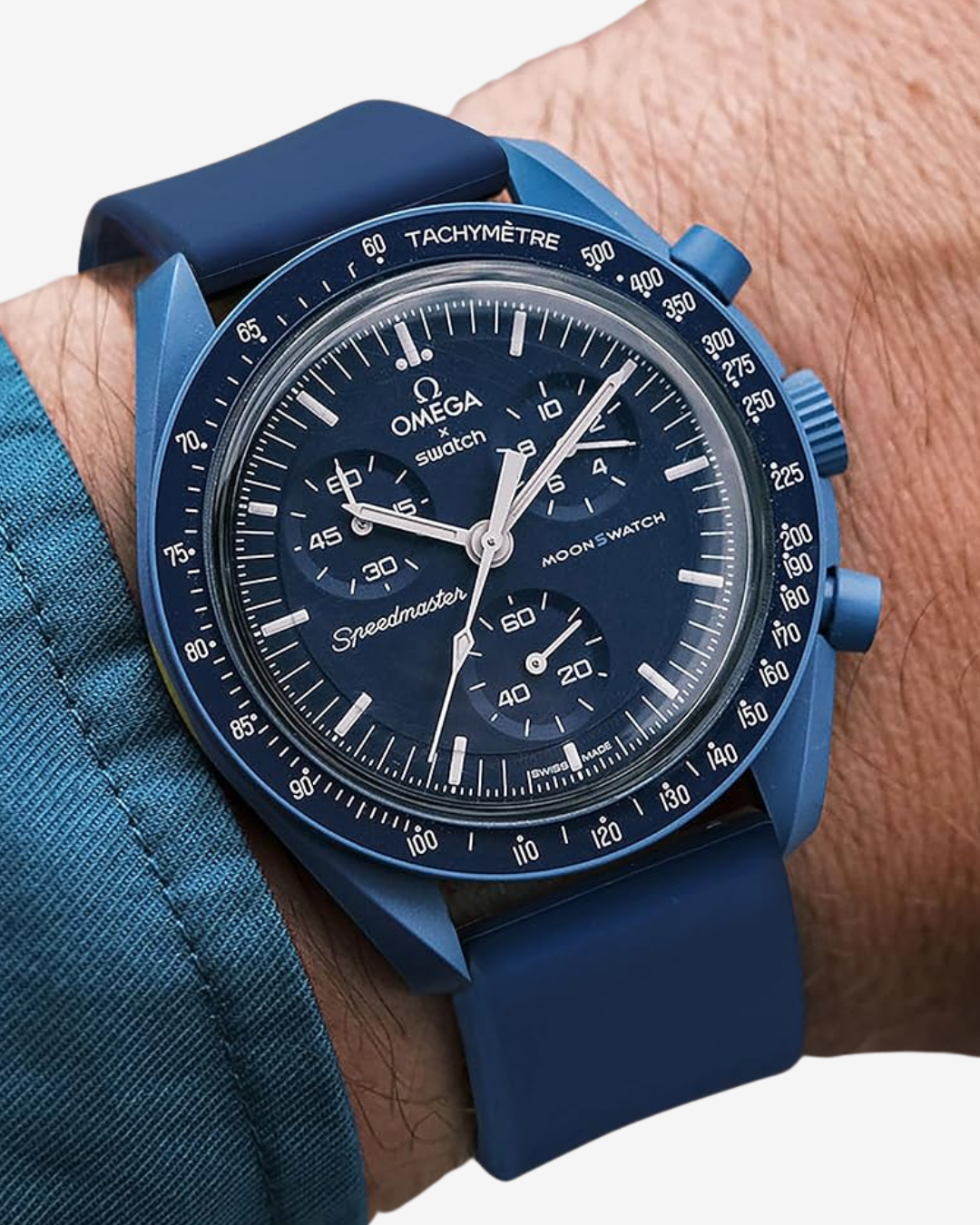
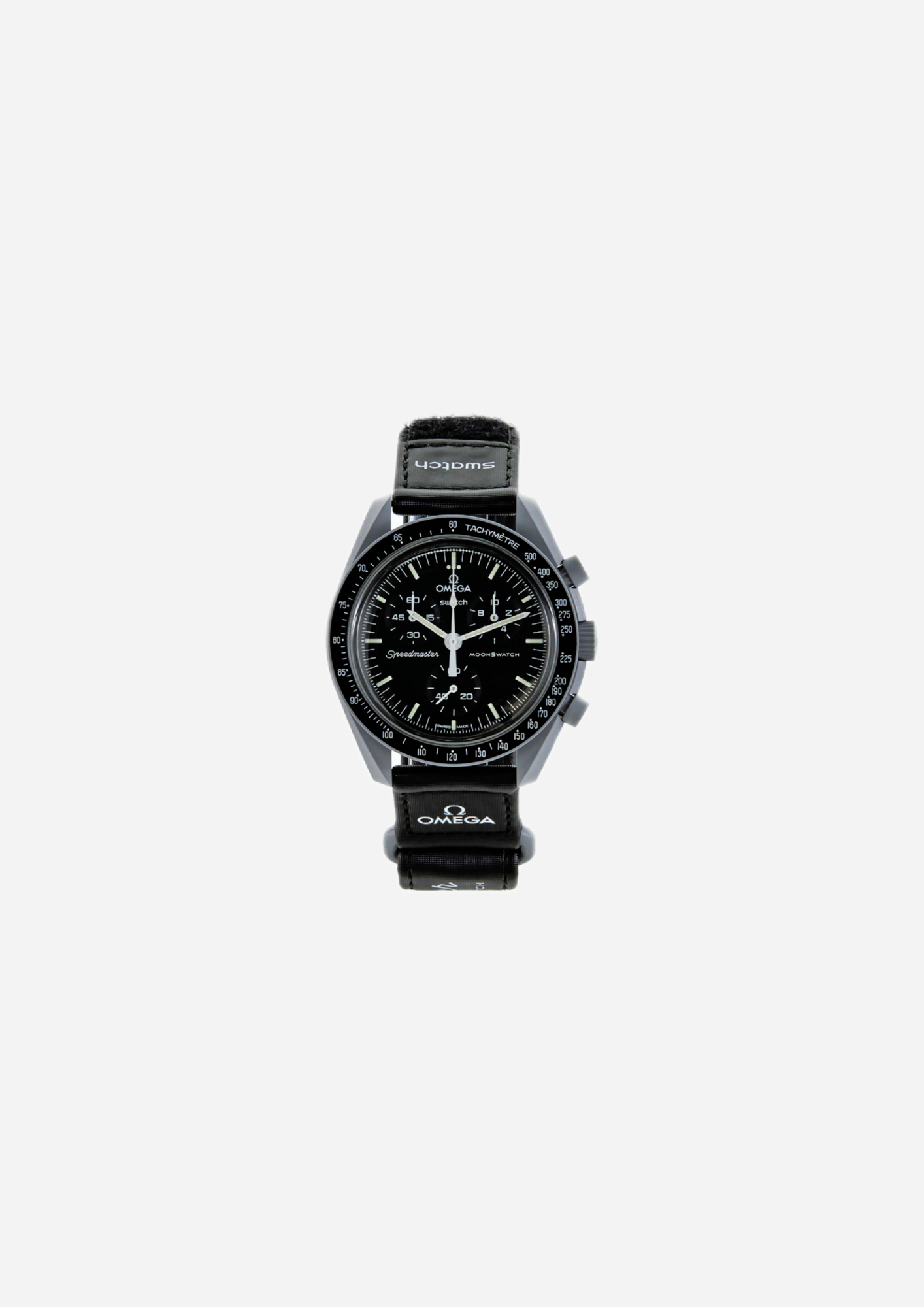
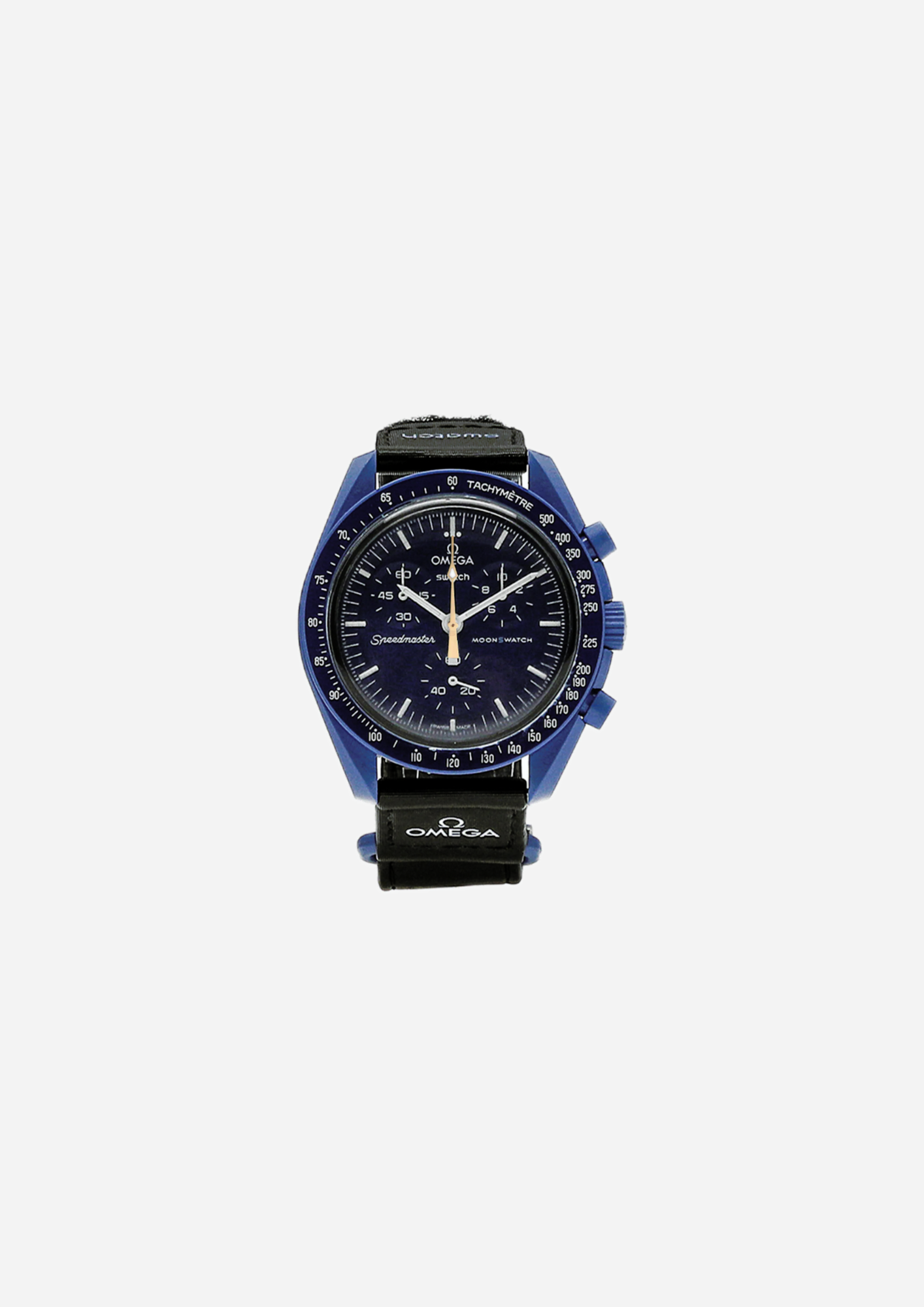
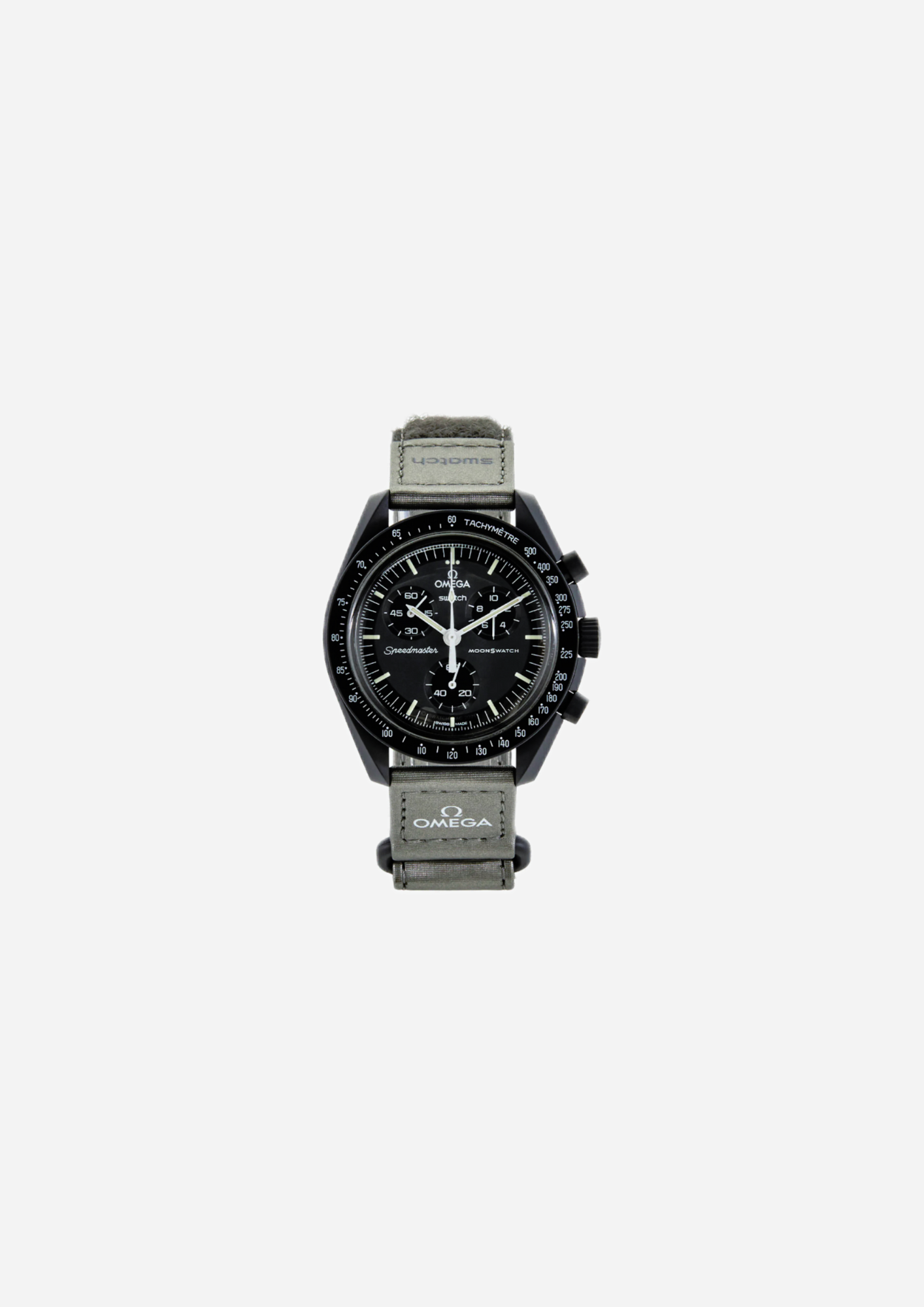
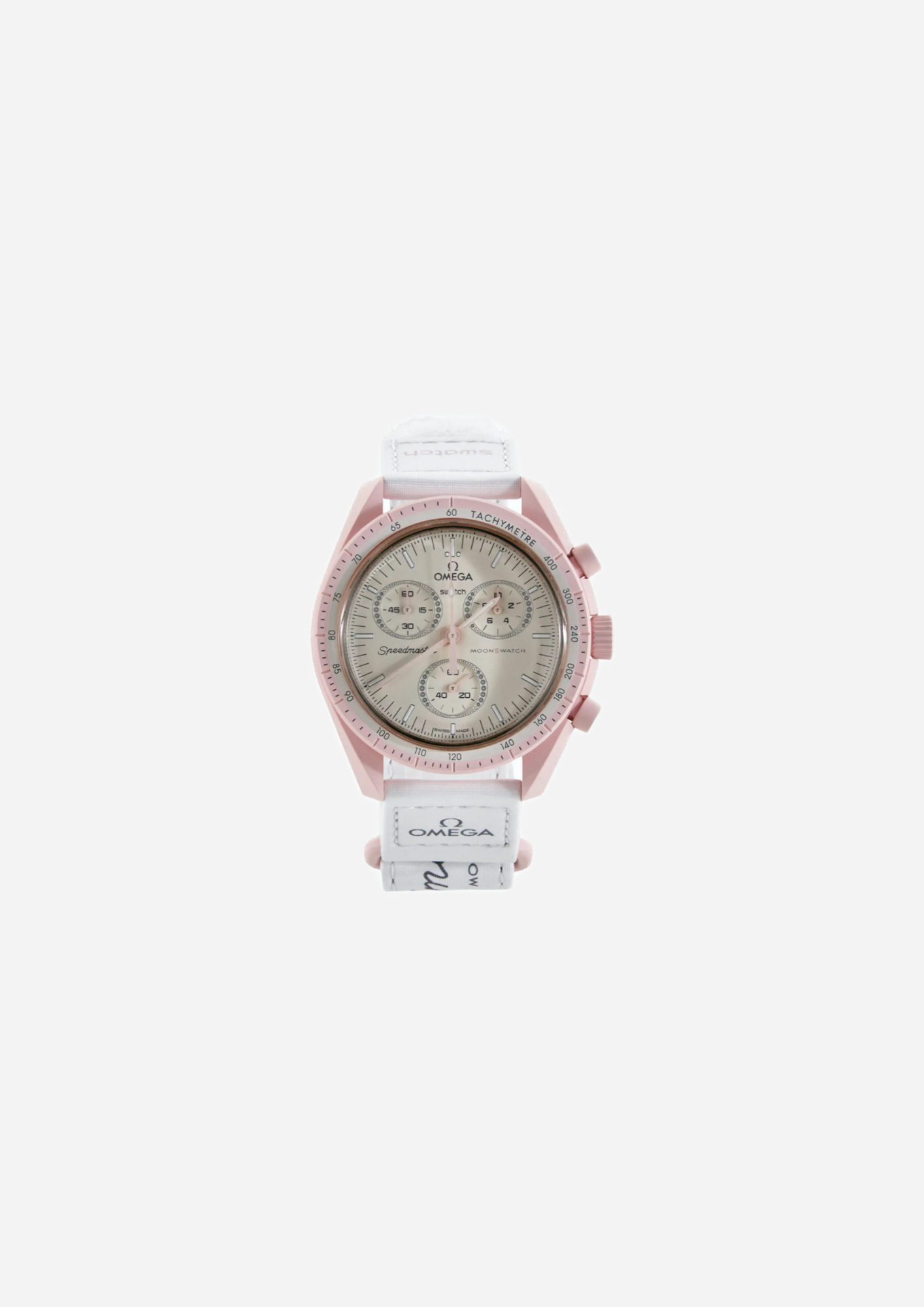
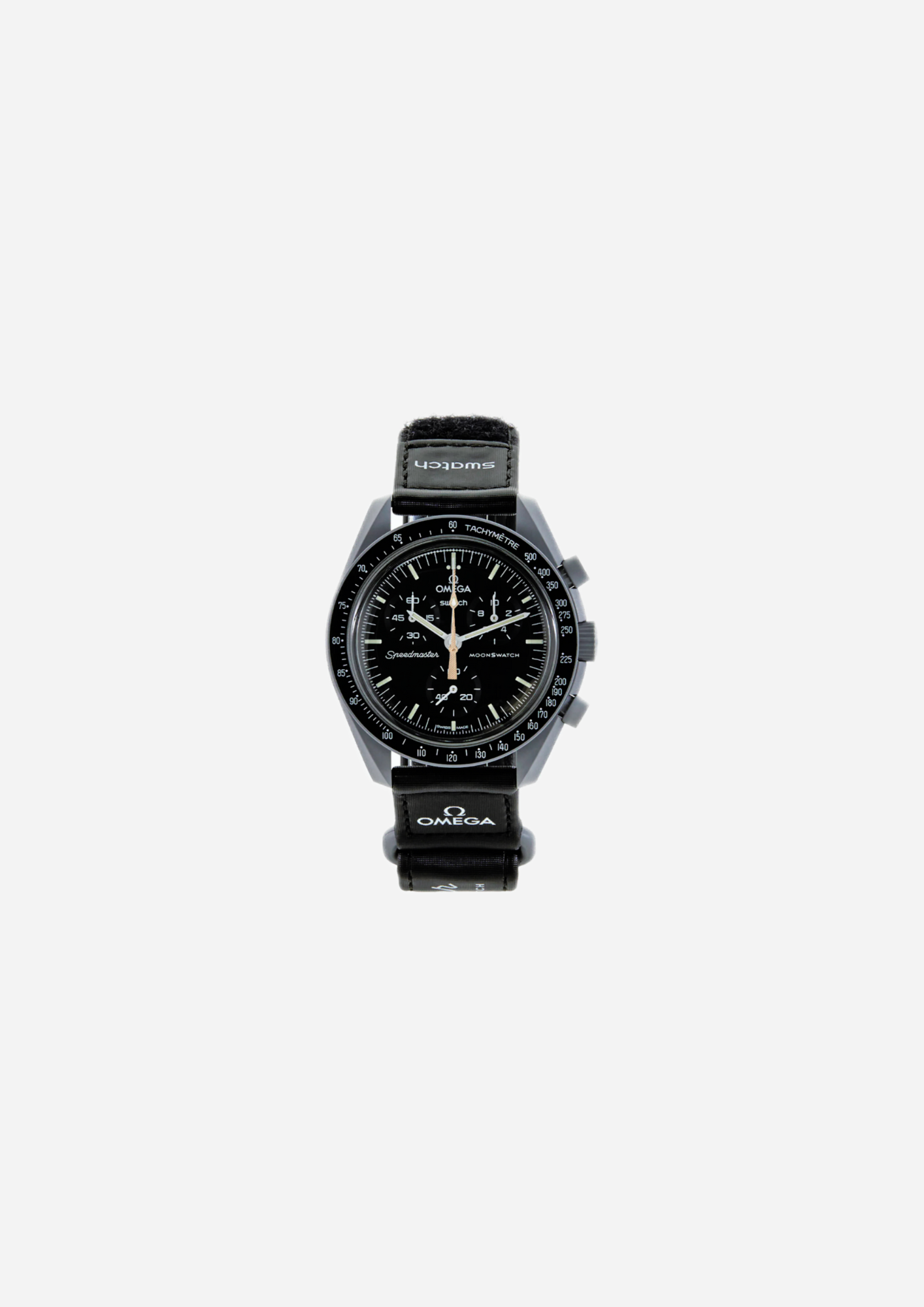
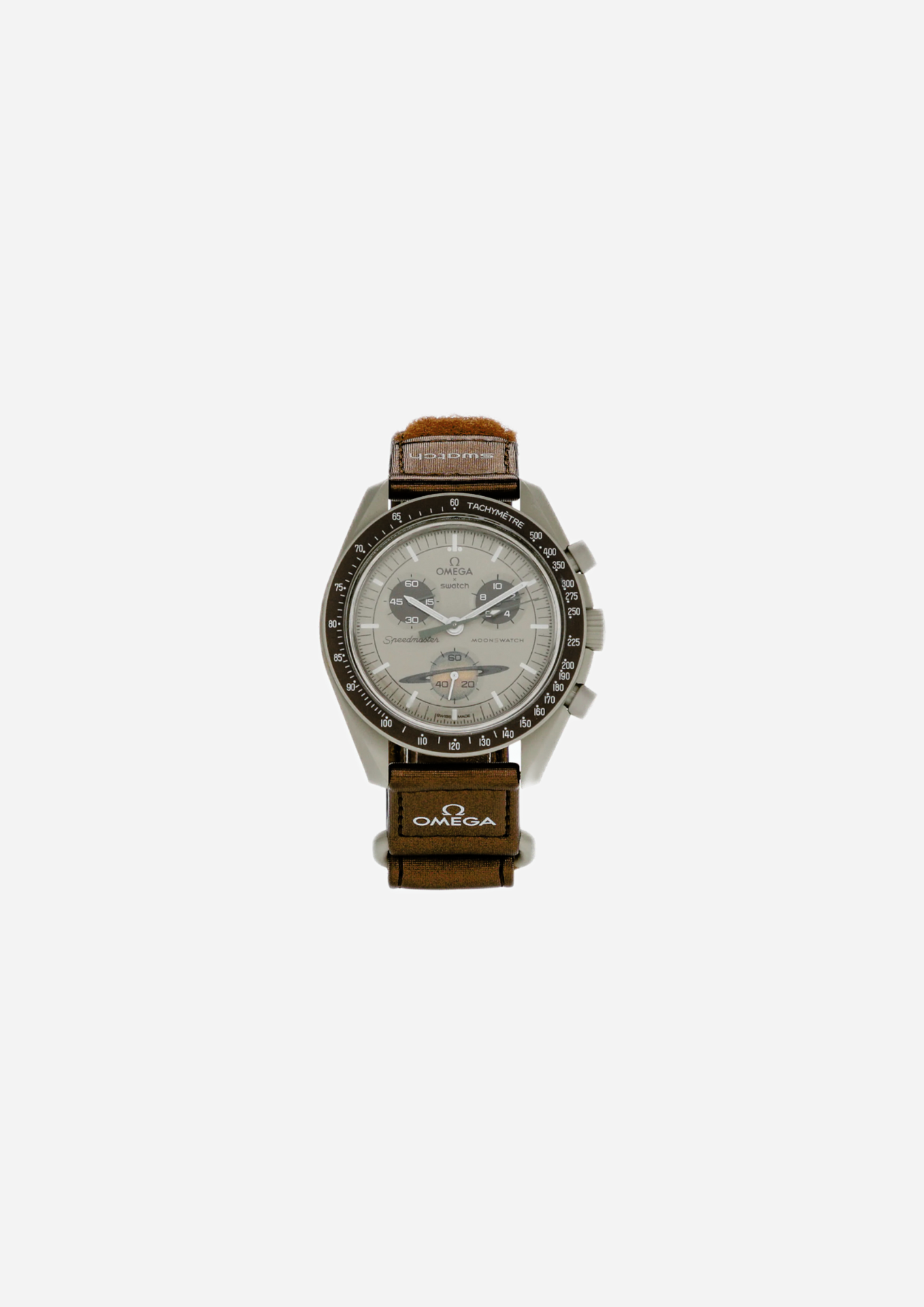
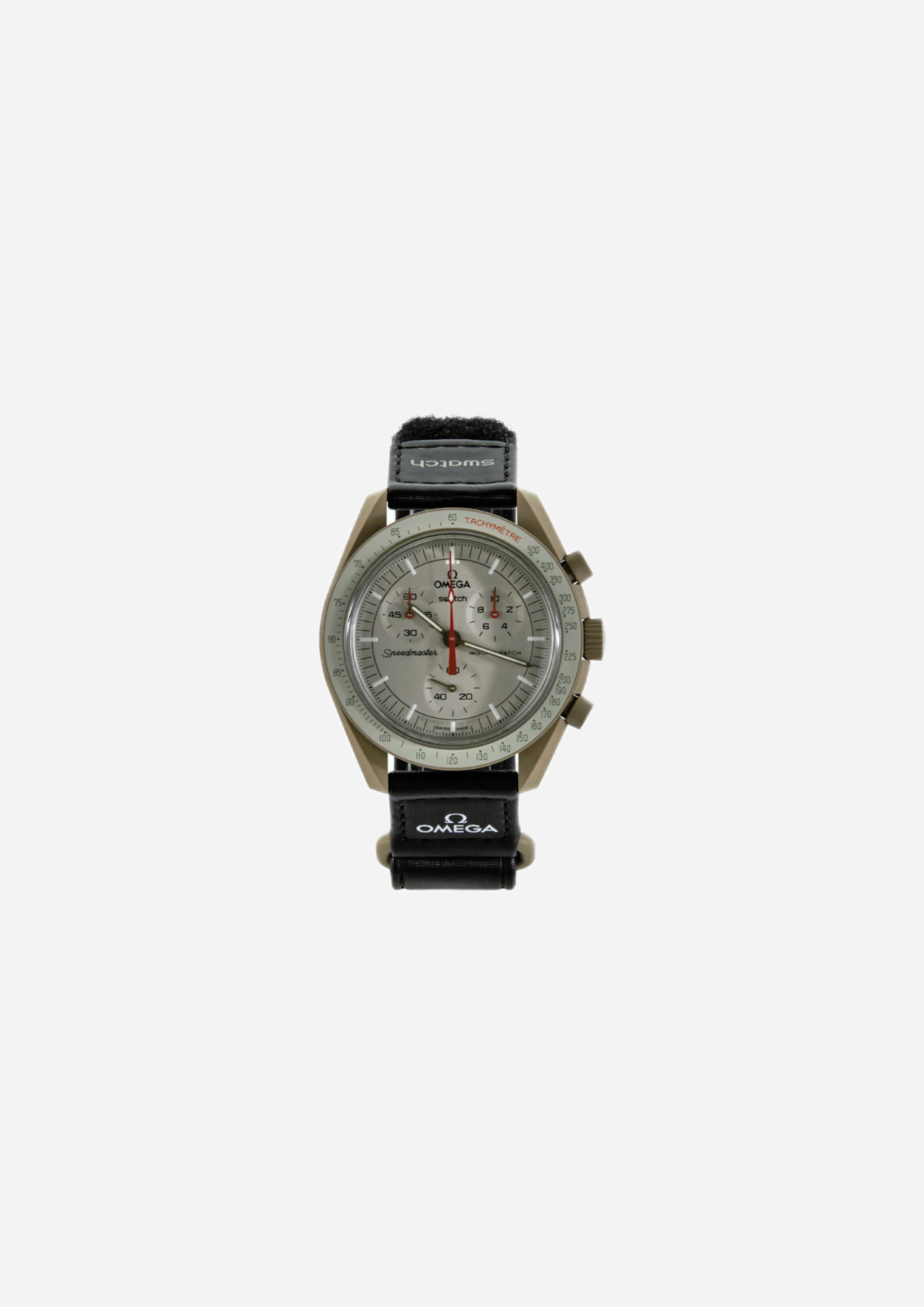
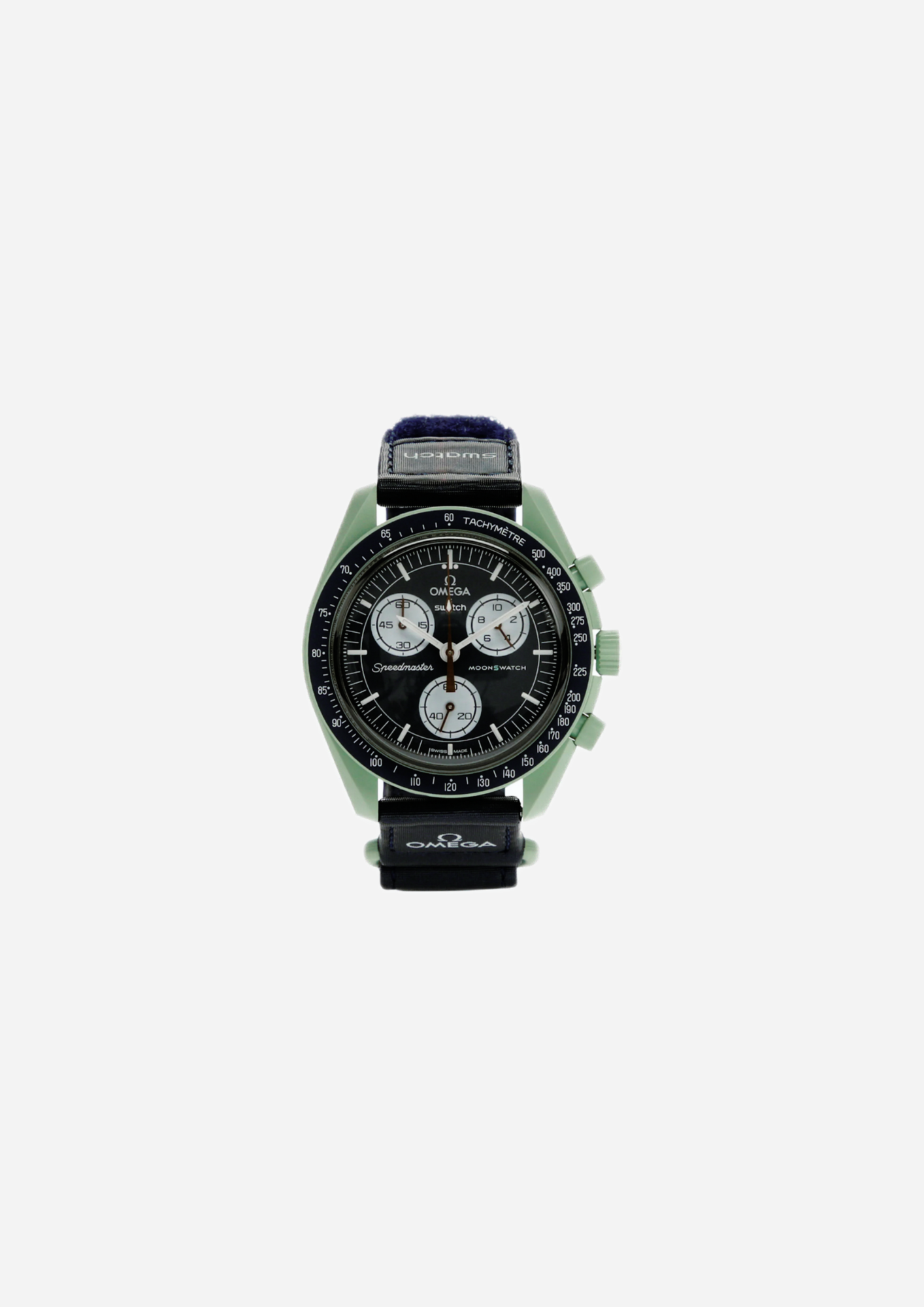
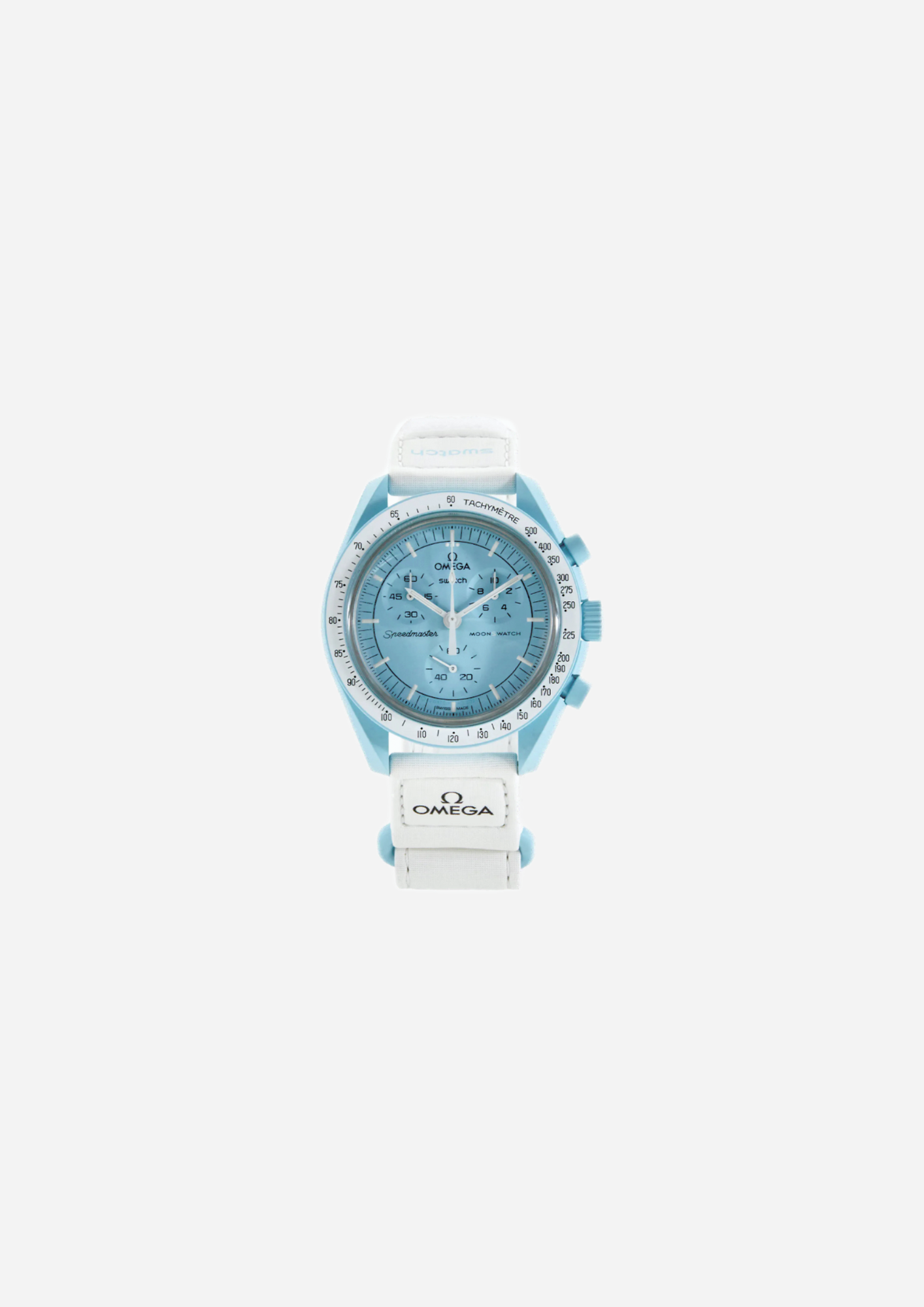
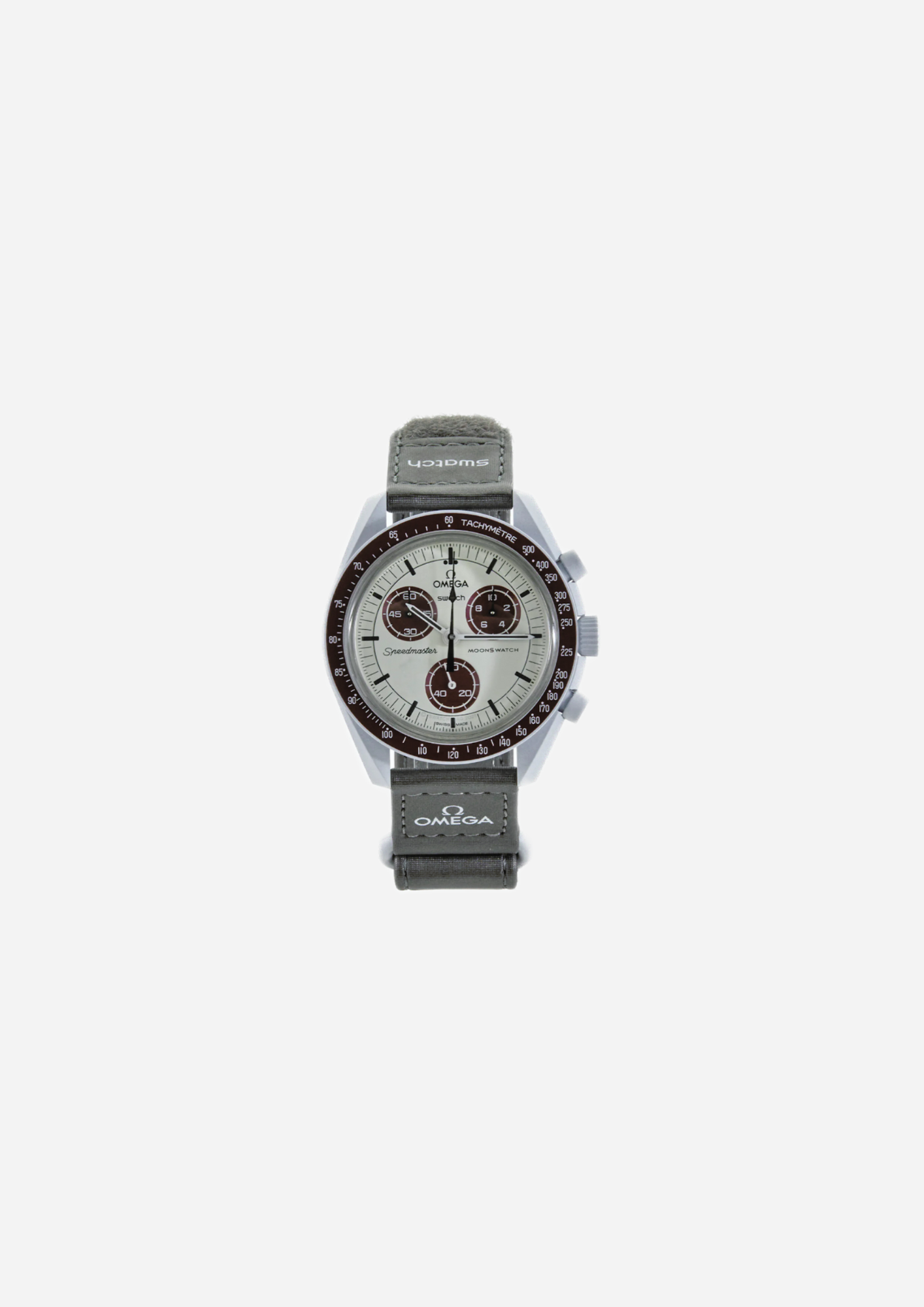
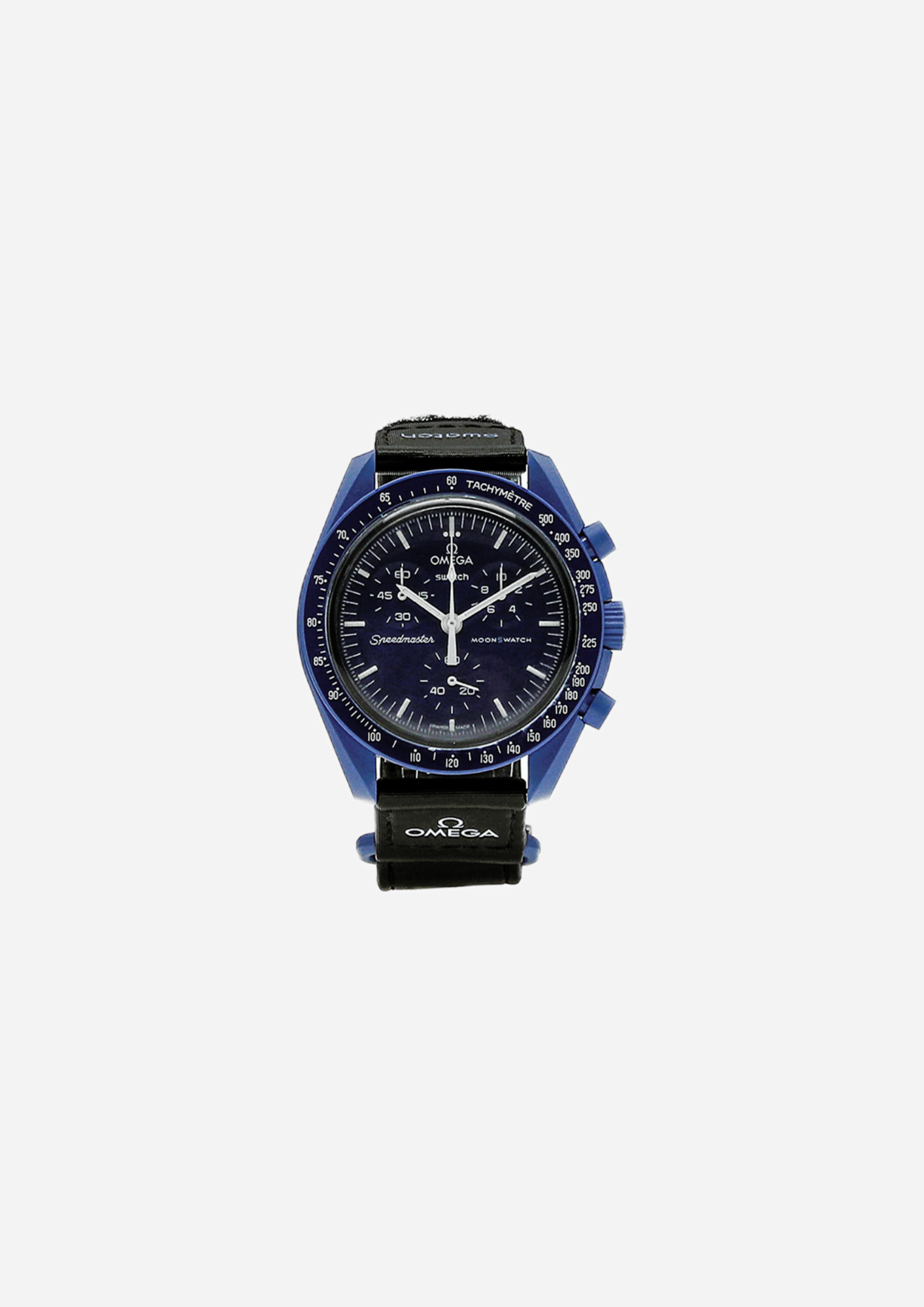
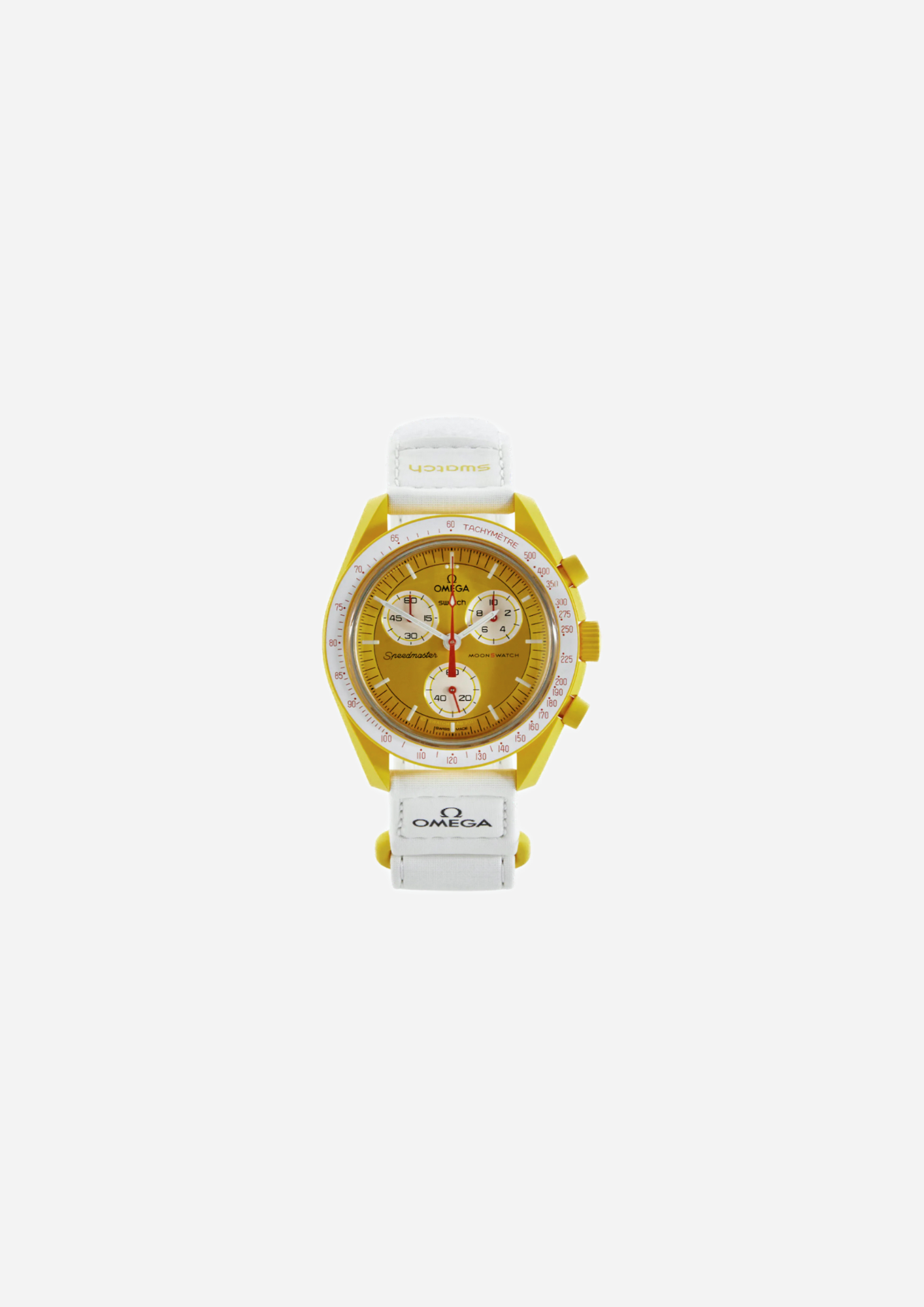
The OMEGA x Swatch MoonSwatch reinterprets the visual codes of the Speedmaster Moonwatch through Bioceramic cases, quartz movements and a family of space-inspired Missions.
Dial, subdials, pushers, tachymeter scale and case profile maintain a recognisable layout, while each reference changes the relationship between these elements through different colour combinations. Mission to the Moon keeps an interpretation closer to the lunar imagination, while Mercury, Venus, Earth, Jupiter, Saturn, Uranus, Neptune, Pluto and Sun use colours and details to create distinct identities.
The result is a collection in which colour is not simply applied to the same case. Dial, hands, subdials and strap work together and can significantly change the perception of the same project.
Moonshine Gold interpretations introduce further differences within the family. When comparing two MoonSwatches, it is therefore more useful to start from the reference and specific Mission than to treat the models as simple colour variations.
Audemars Piguet x Swatch Royal Pop: the watch leaves the wrist
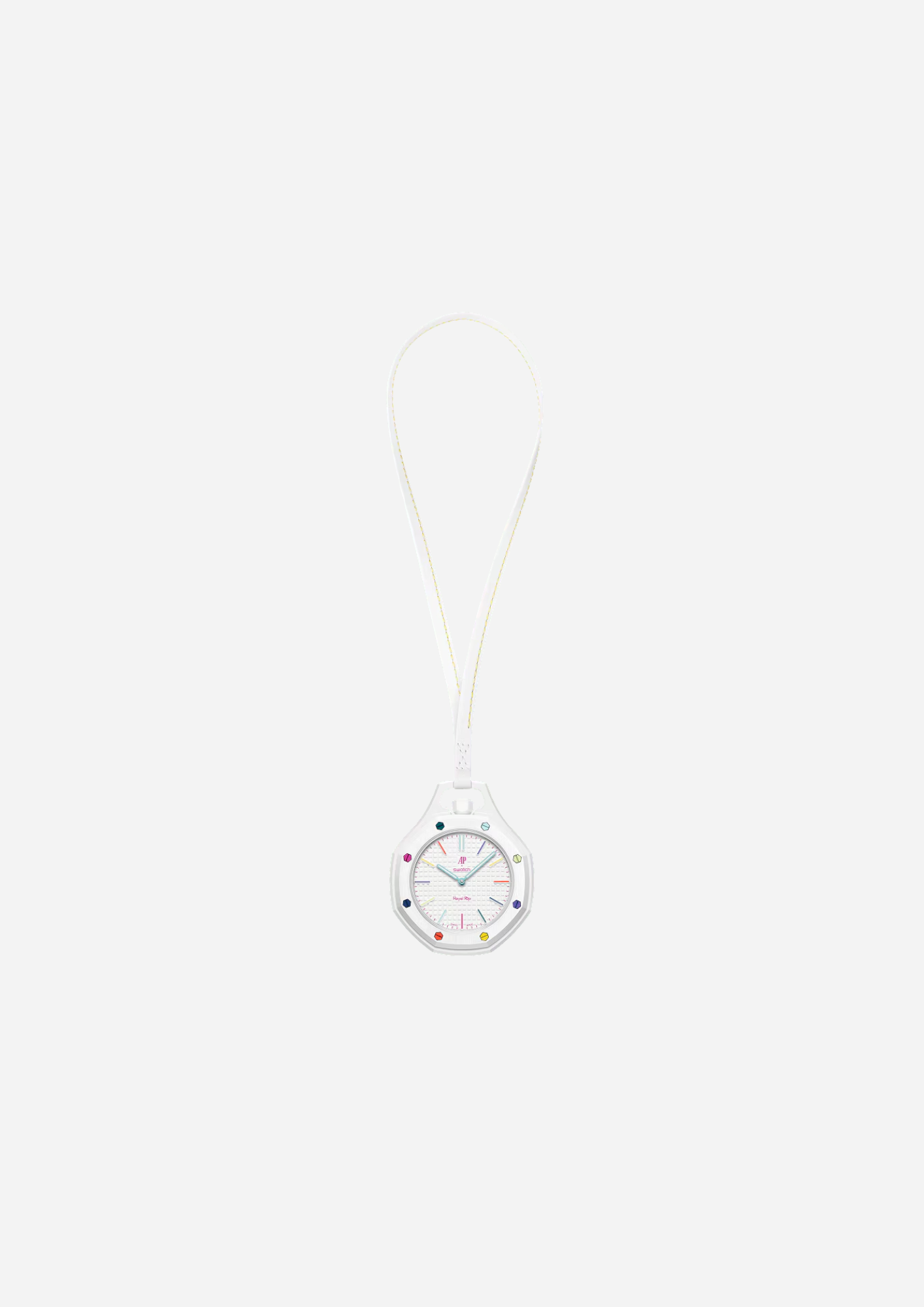
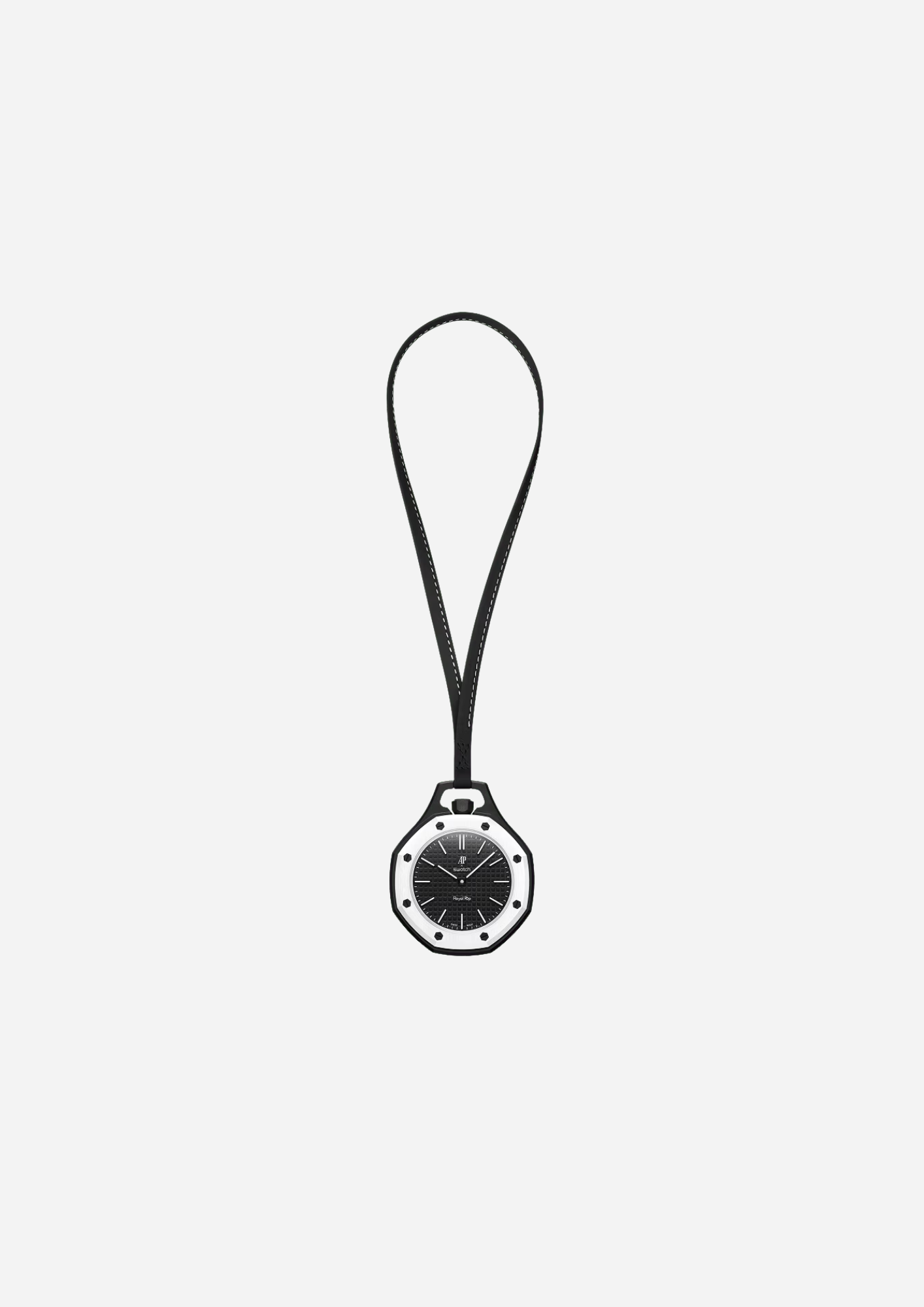
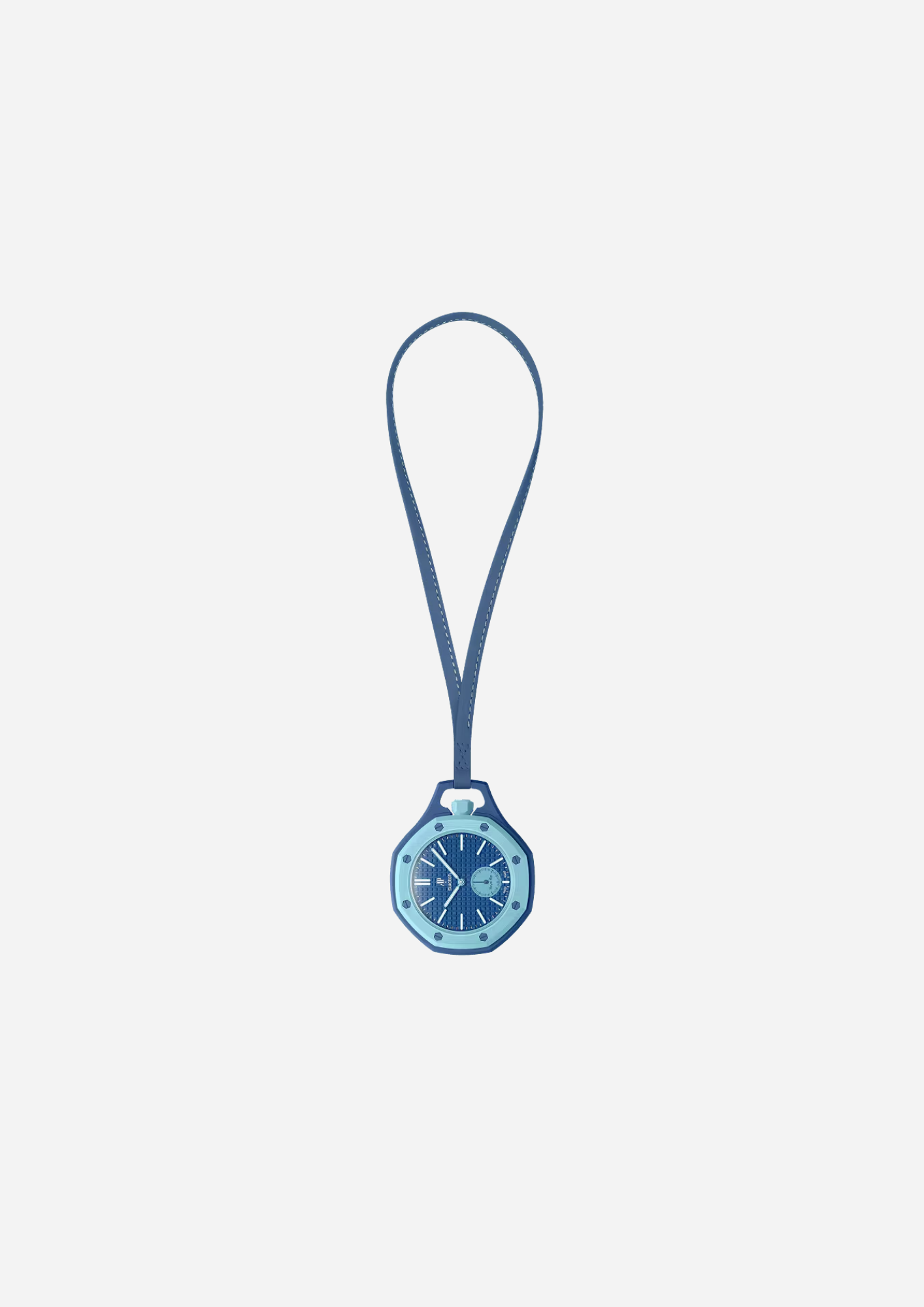
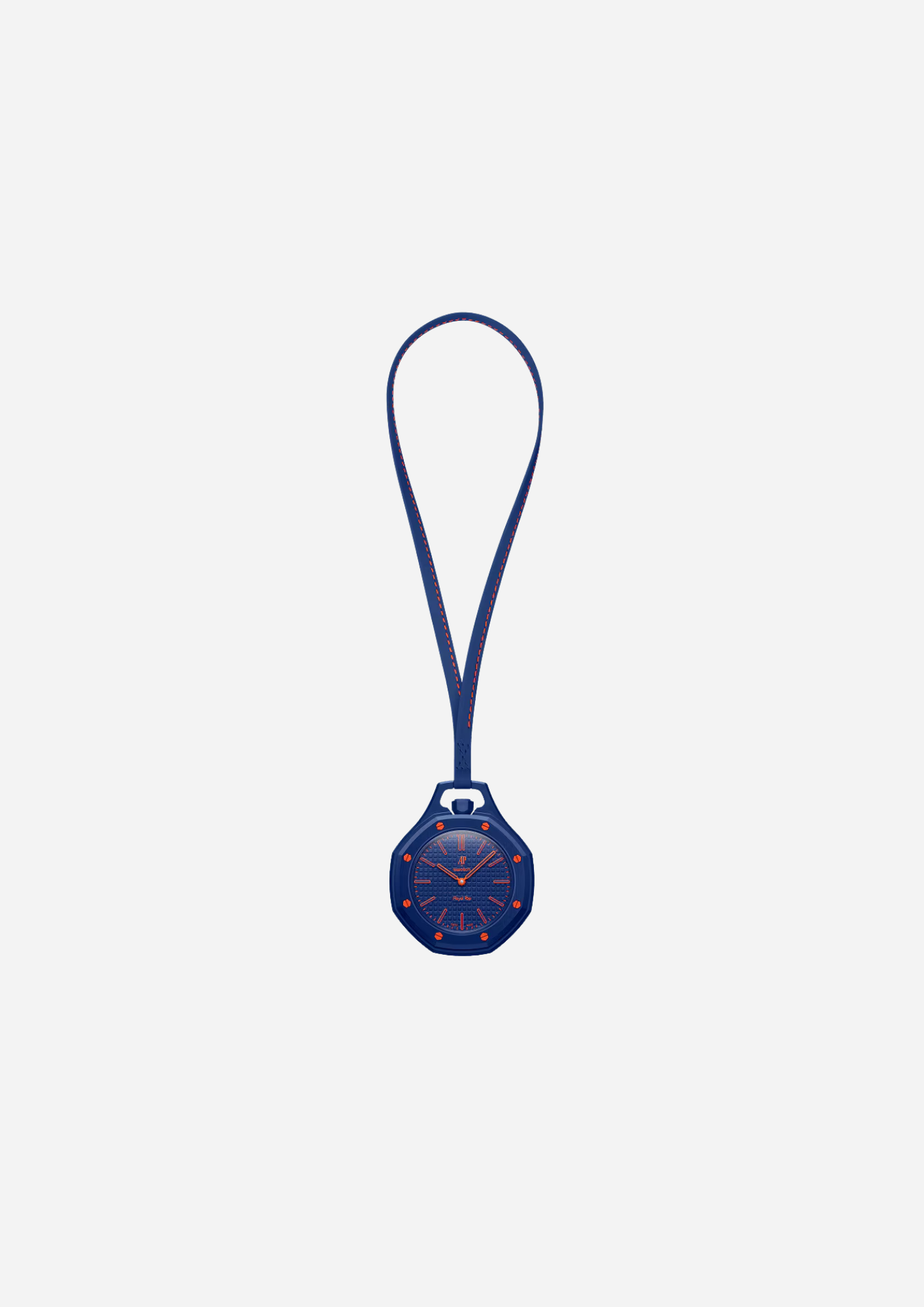
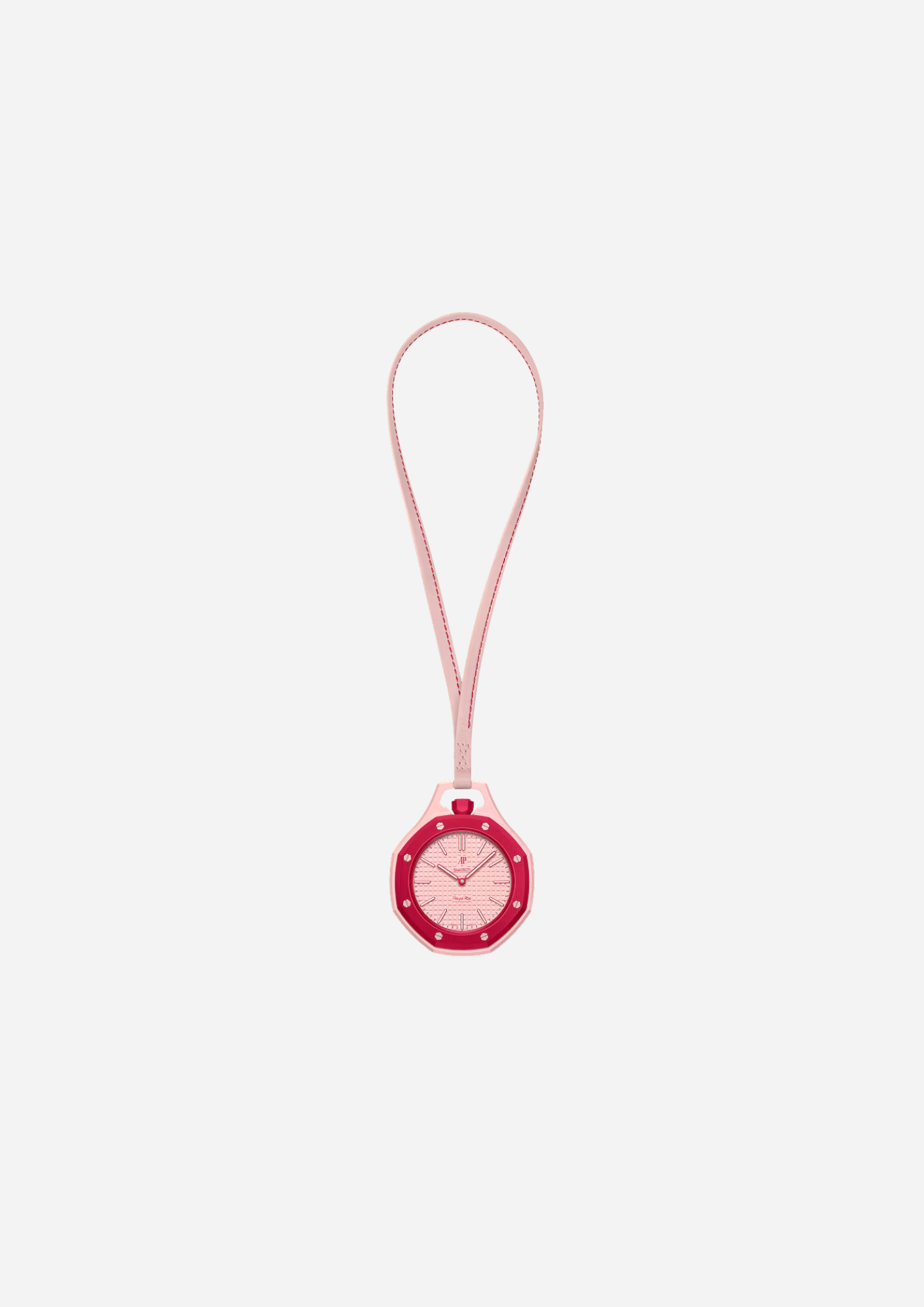
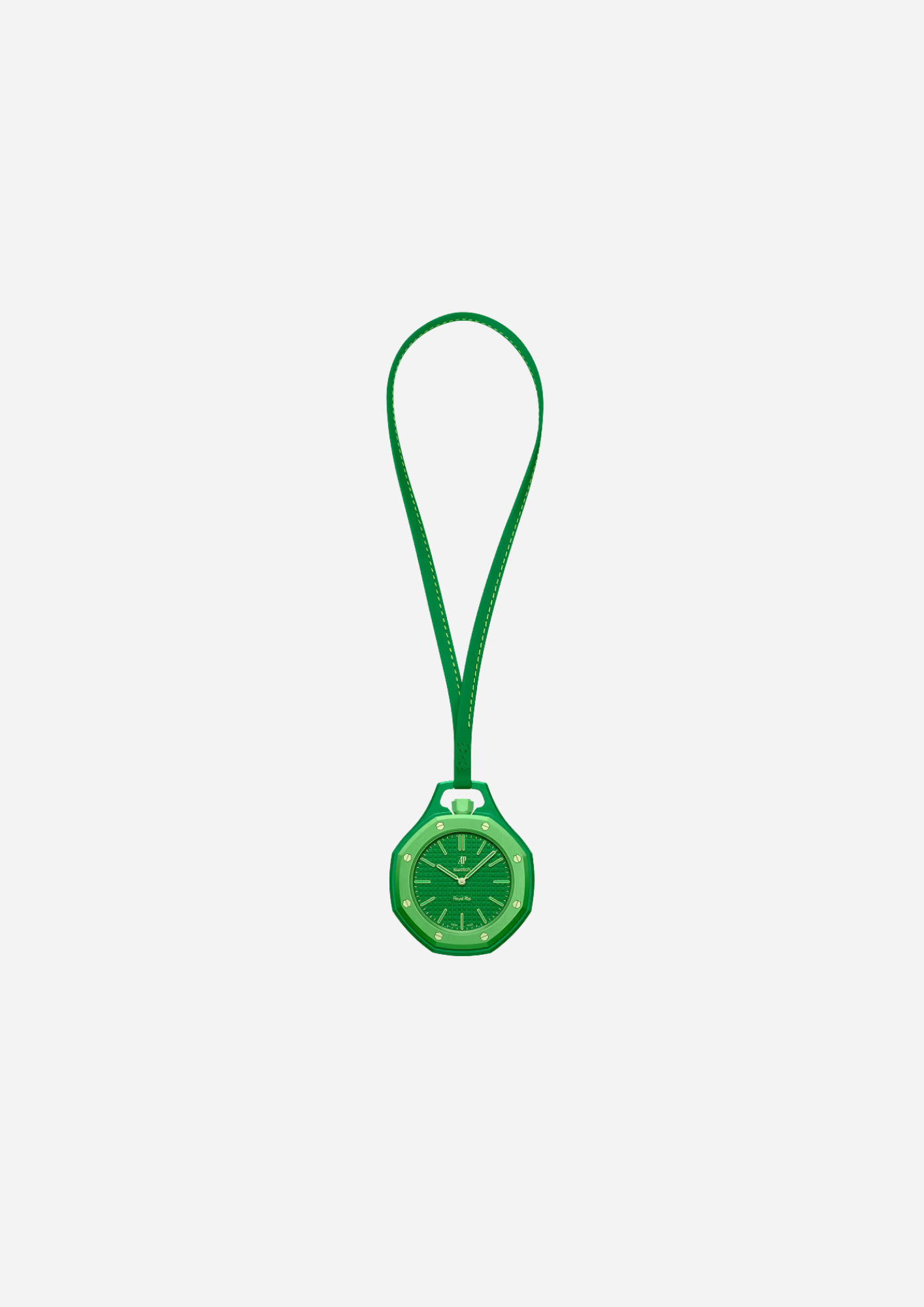
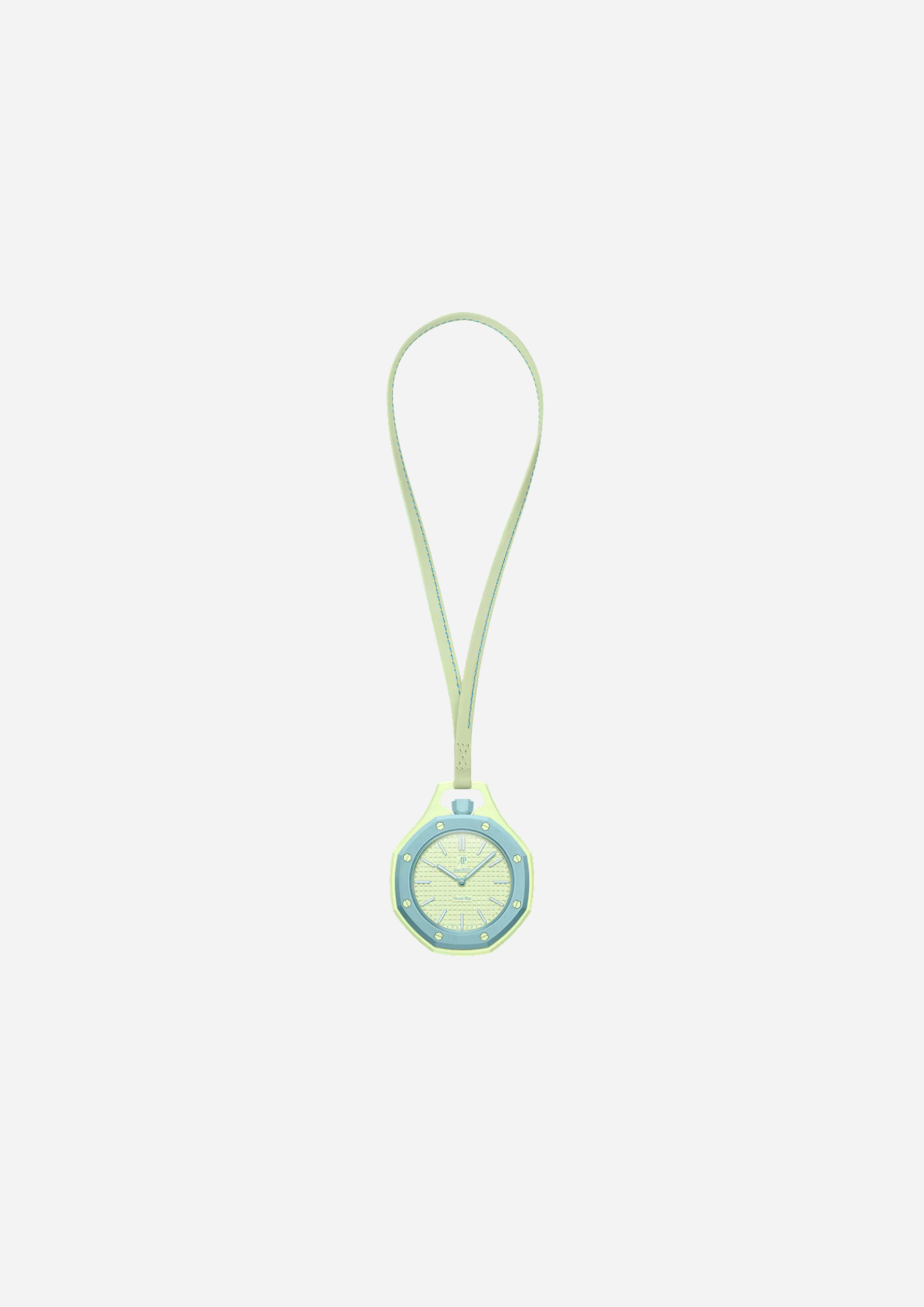
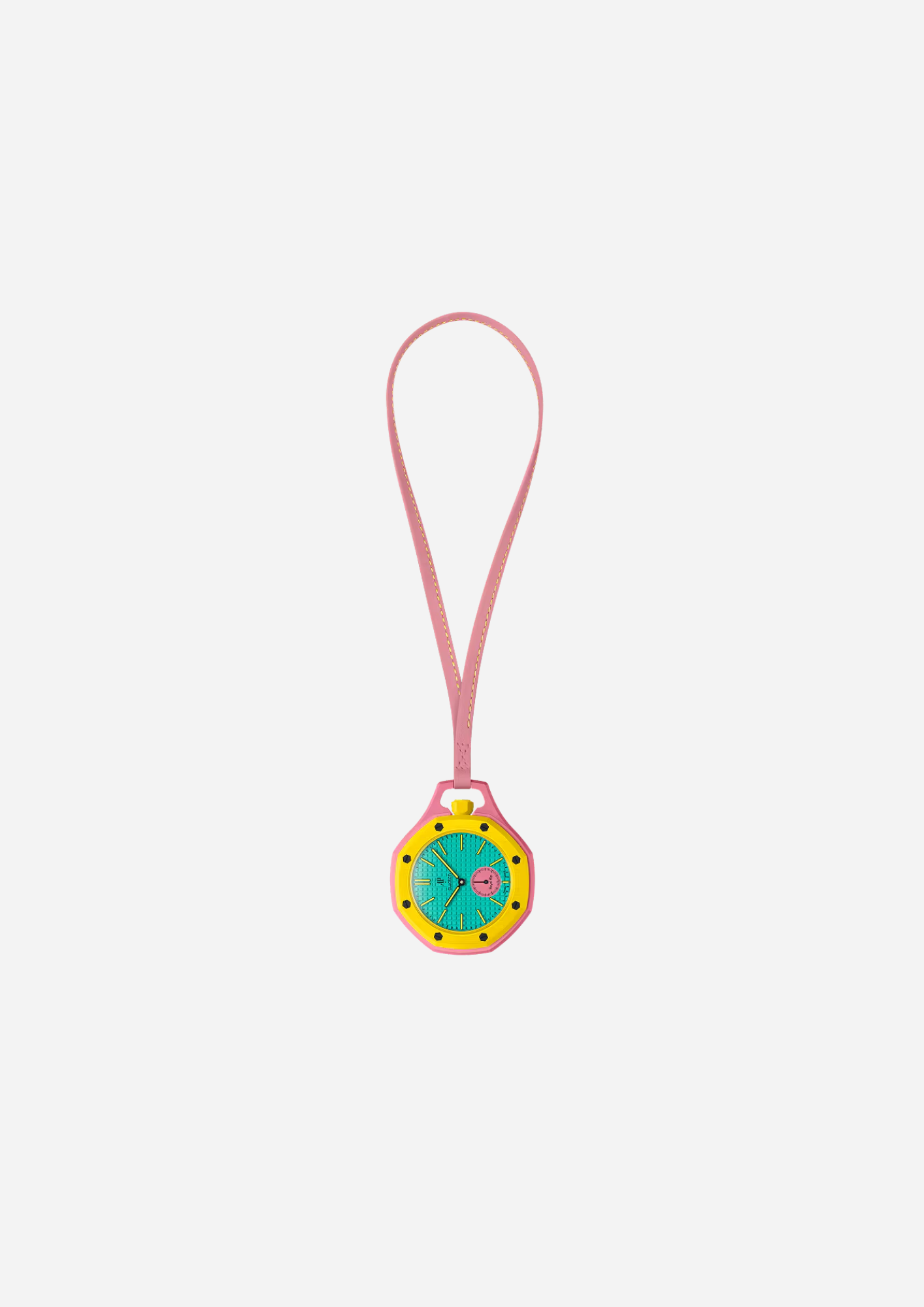
The Audemars Piguet x Swatch Royal Pop follows a completely different logic. The collection combines elements inspired by the Royal Oak with the modular character of Swatch's POP line, developed through eight Bioceramic pocket watches.
The octagonal bezel, eight screws and tapisserie-effect dial recall some of Audemars Piguet's most recognisable codes, while format, colour and configuration possibilities take the watch towards a less traditional use. The references are developed in Lépine and Savonnette configurations and use a hand-wound version of the SISTEM51 movement.
The most obvious difference, however, concerns the relationship with the body. Royal Pop is not designed to remain necessarily on the wrist: with compatible cords and supports it can be worn around the neck, in a pocket, on the wrist or clipped on, changing the very way the watch is worn.
Modularity therefore becomes as much a part of the design as case and dial. This is very different from MoonSwatch, which retains the traditional structure of a wristwatch.
Bioceramic, case and dial: when material changes the watch
MoonSwatch and Royal Pop share the use of Bioceramic, but the material is applied to different constructions. Swatch makes it by combining two thirds ceramic material with one third bio-sourced material derived from castor oil, creating a smooth, matte surface.
On MoonSwatch, Bioceramic takes the form of a chronograph case and becomes part of the colour system of the different Missions. On Royal Pop, it follows a pocket-watch structure with octagonal geometry and a different relationship between dial, bezel and attachment system.
Material and colour therefore need to be considered together with construction. Two Bioceramic watches can appear completely different when case shape, dimensions, dial and mode of use change.
Dial finish also contributes to how the object is read: subdials and tachymeter scale define the chronograph character of MoonSwatch, while the tapisserie effect of Royal Pop draws attention to the surface and octagonal geometry.
Quartz or hand-wound: two different experiences
The deepest distinction between the two families lies inside the case.
MoonSwatch uses a quartz movement. The watch is designed for immediate operation and the chronograph function is controlled through the side pushers.
Royal Pop instead uses a new hand-wound version of SISTEM51. The crown is used to wind the movement and introduces a periodic gesture that becomes part of the watch experience. Swatch describes this version as a manual evolution of its SISTEM51 mechanical movement.
This is not simply a question of which solution is better. Quartz prioritises practicality and immediacy; hand-winding makes the mechanical relationship between person and object more visible.
For anyone buying a collectible watch, movement type is therefore a criterion as important as colour or design.
How to choose between MoonSwatch and Royal Pop
MoonSwatch is the more natural choice for those looking for a watch to wear traditionally on the wrist and who want to compare different colour interpretations of a chronograph structure. Mission, case colour, dial, strap and reference-specific details become the main elements to consider.
Royal Pop is aimed instead at those looking for a less conventional object and who see the way it is worn as an integral part of the design. Here it is important to assess case configuration, colour, Lépine or Savonnette type and the accessories actually associated with the individual reference.
Movement can also guide the choice: quartz and hand-winding introduce two different user experiences, just as a wrist chronograph and a modular pocket watch respond to different ideas of portability.
Within designer accessories, these watches therefore occupy a particular space: they are chosen not only to tell the time, but also for material, collaboration, design and collectible value.
Authenticity and details to verify in collectible watches
When comparing collectible watches from specific collaborations, the reference plays a central role. Colour, case configuration, dial, movement, strap and accessories should match the version actually being purchased.
Packaging and any included components should also be assessed in relation to the specific reference and should not, on their own, be treated as proof of origin.
MilanoMarktPlace explains the process used to verify selected items before sale on the dedicated product authenticity page.