
39 products
When structure becomes part of the design
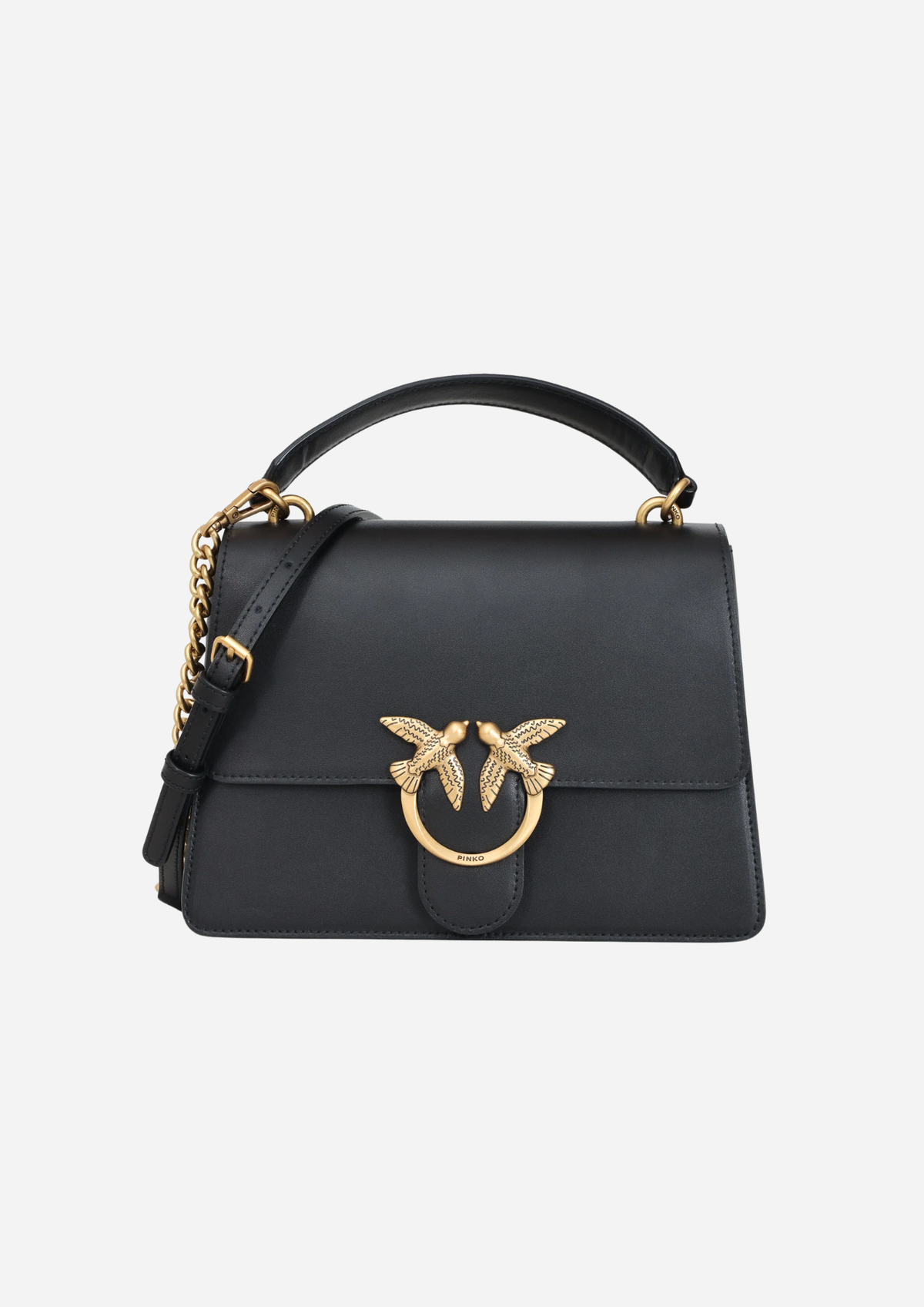
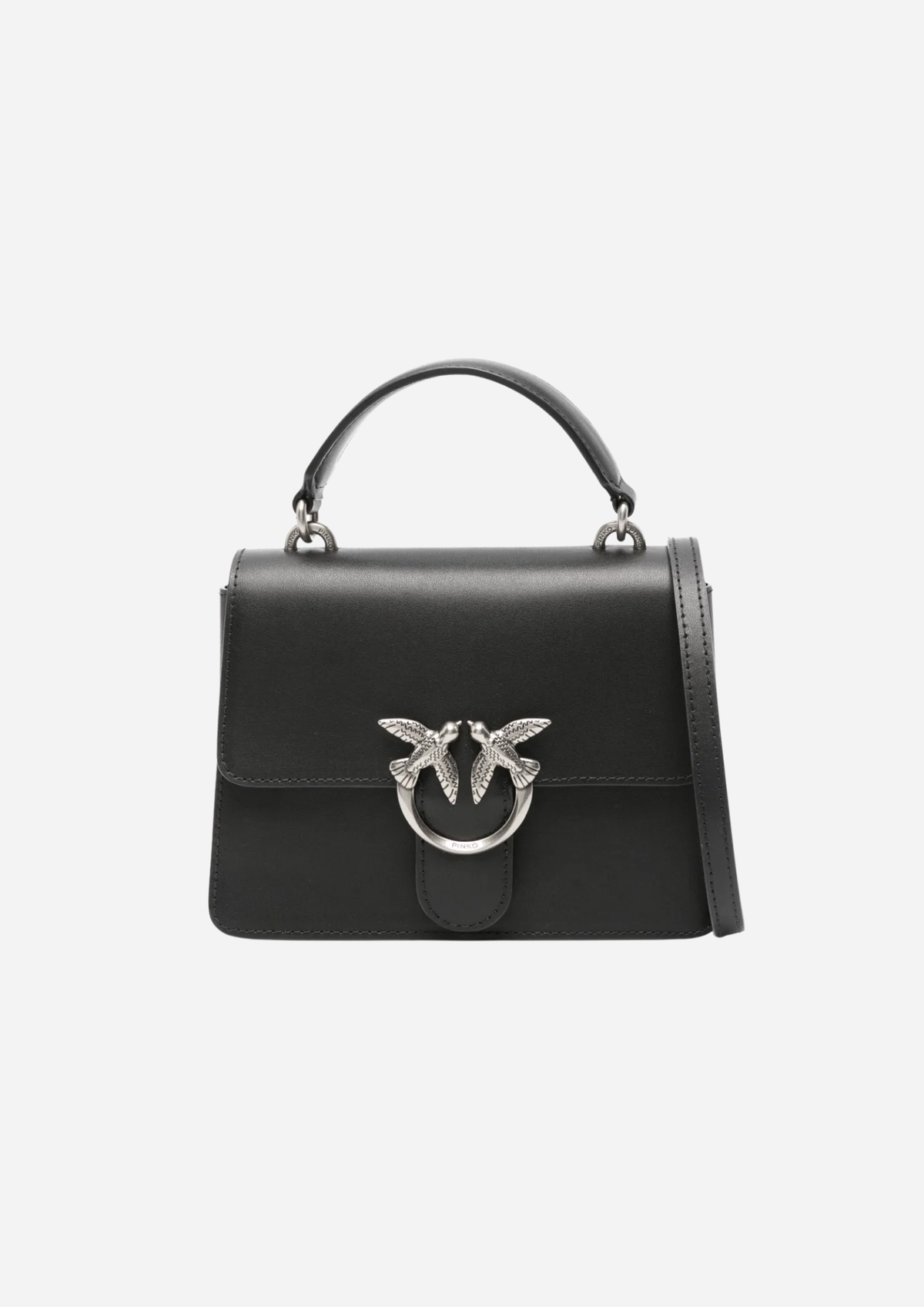
In designer top-handle bags, the handle is not merely a functional element: it is part of the bag's construction. The distance between the handles, body and base determines how the model is perceived and often how well it retains its shape over time. This category therefore includes very different silhouettes, from highly structured bags to softer, more relaxed interpretations.
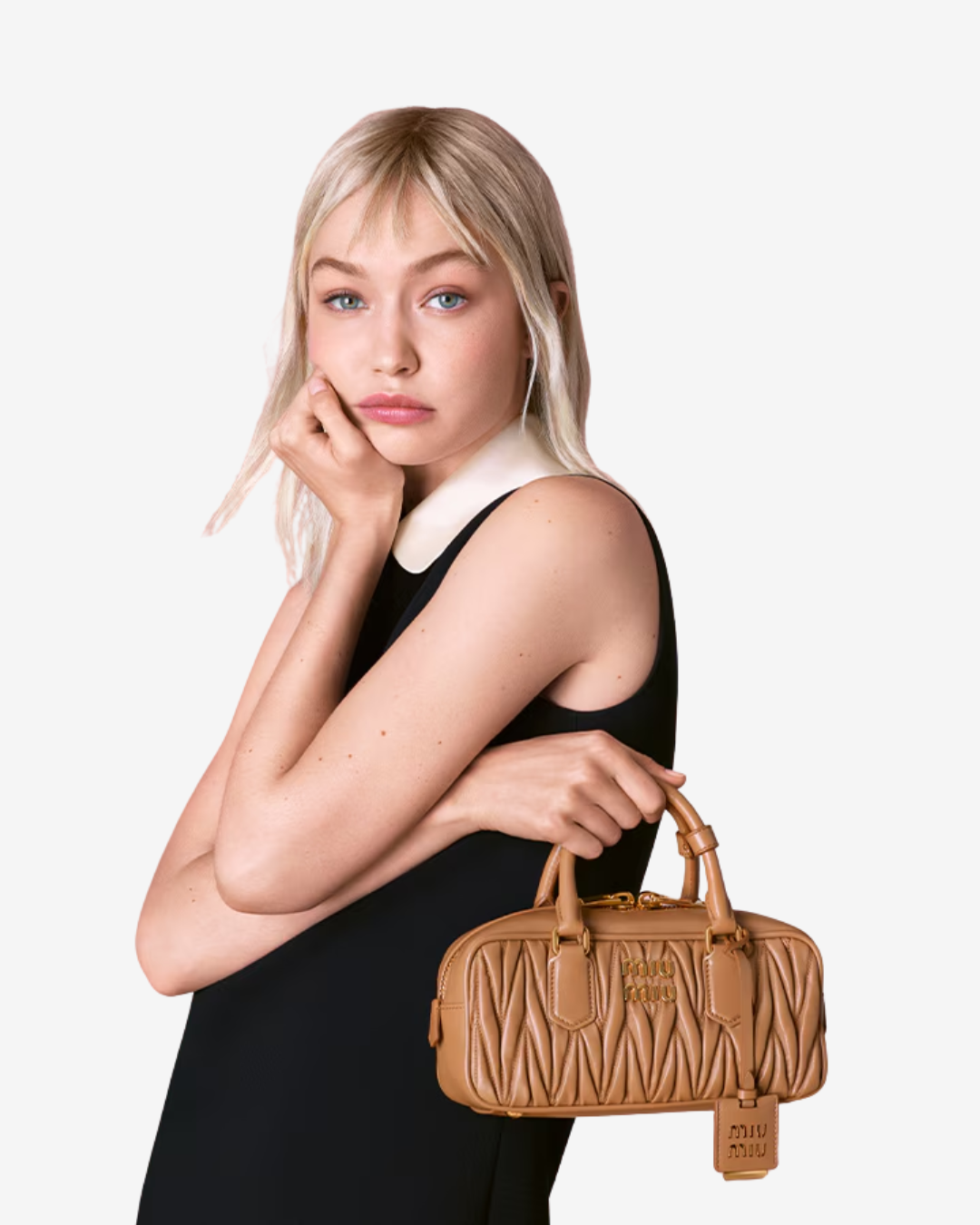
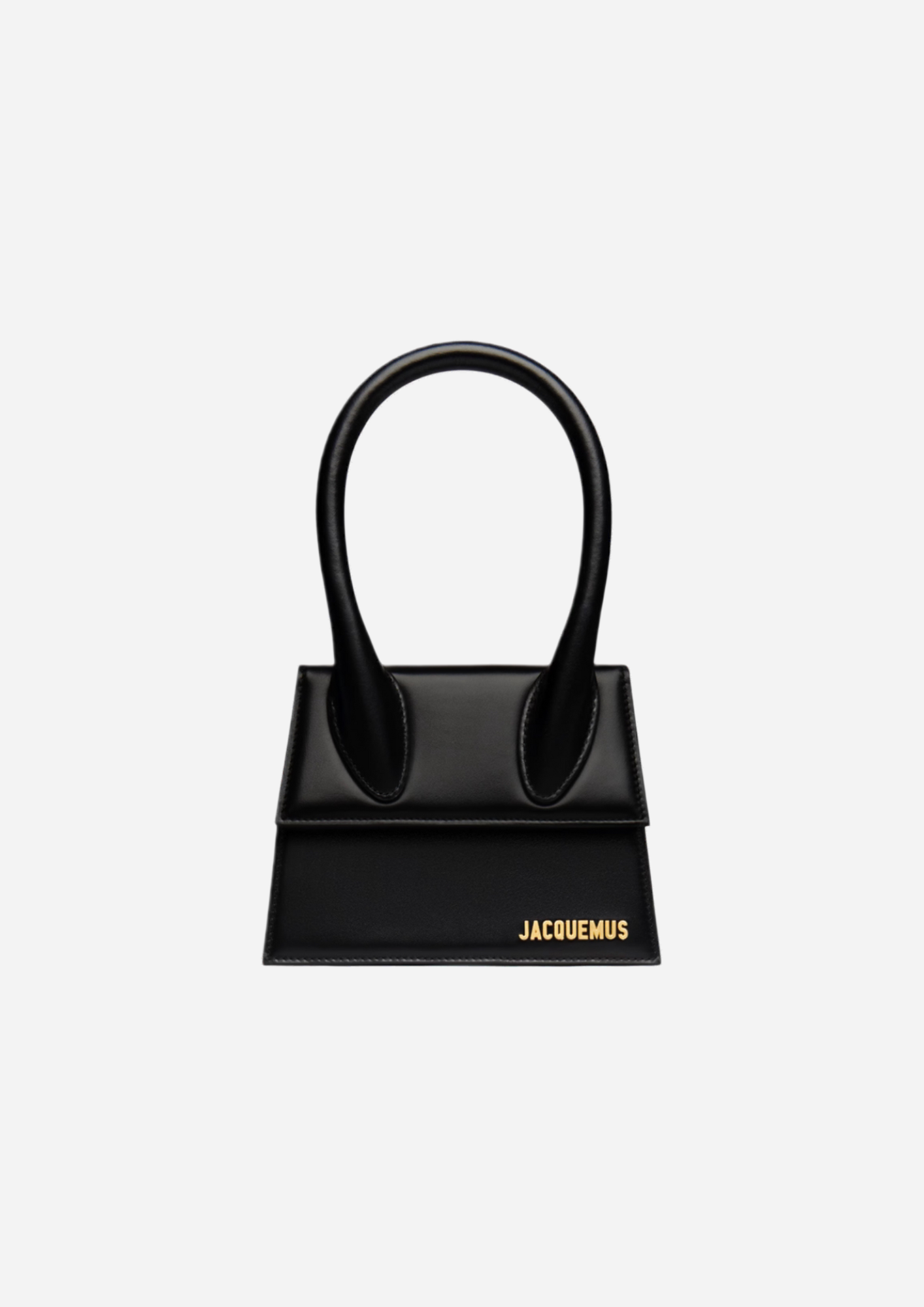
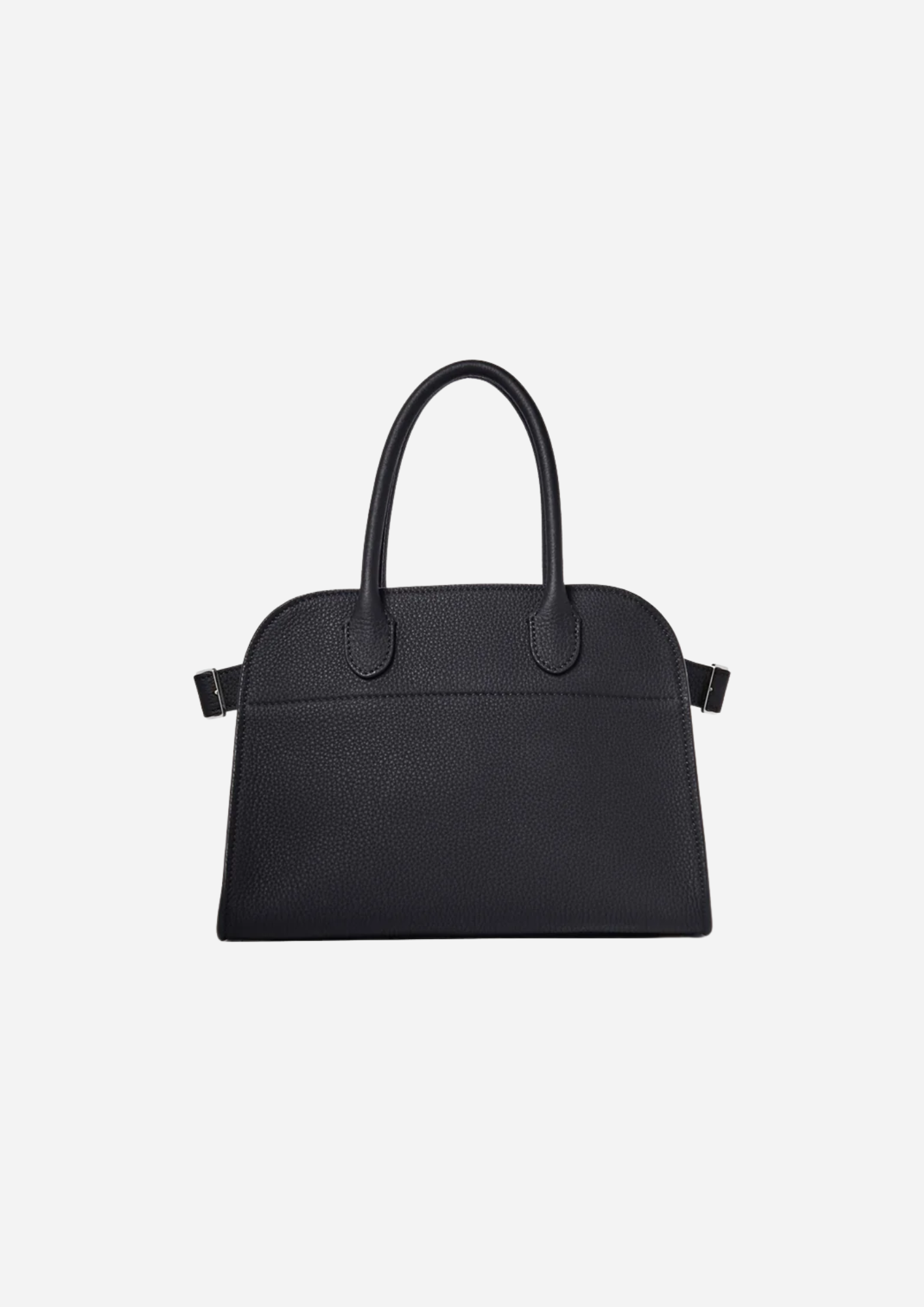
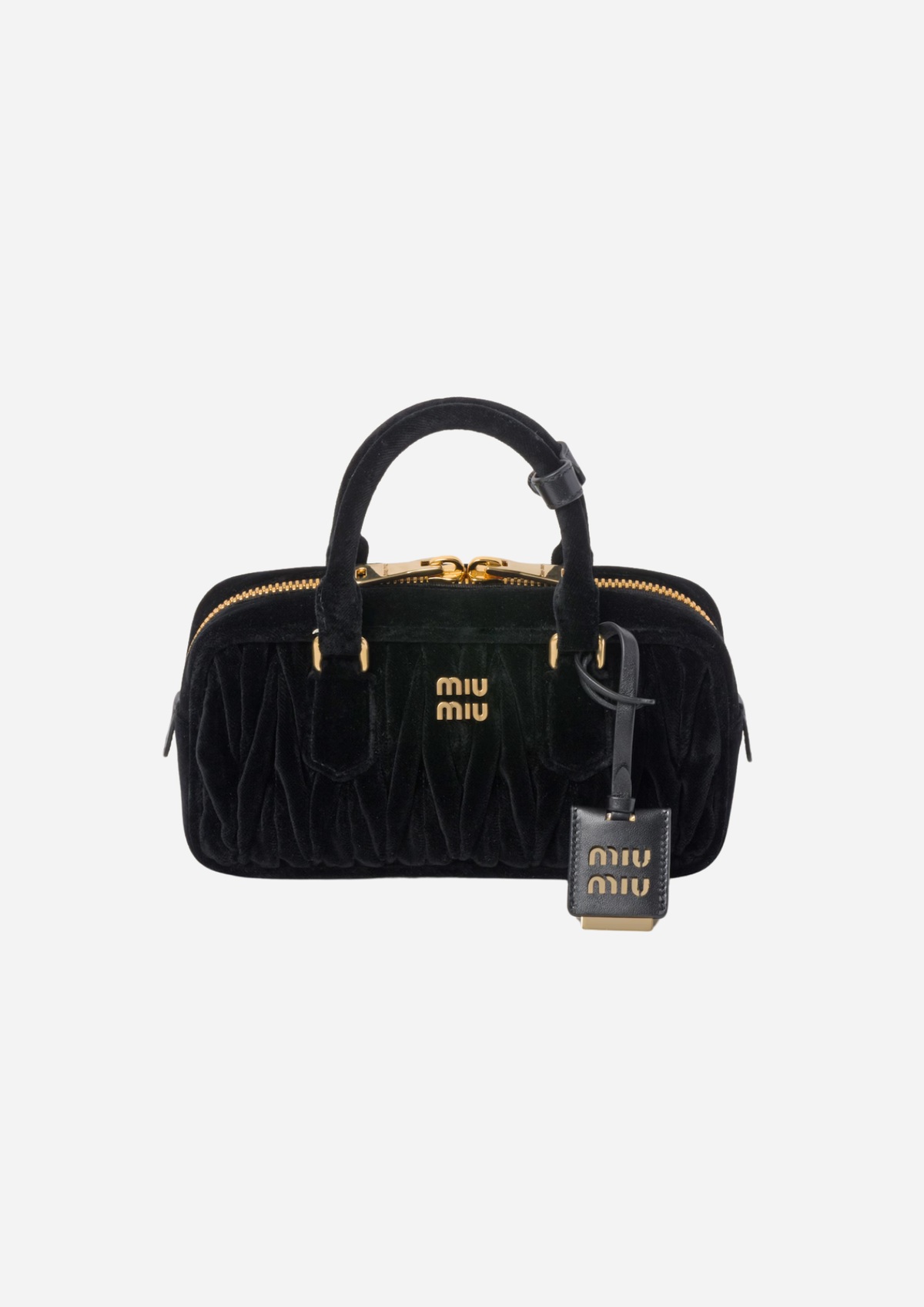
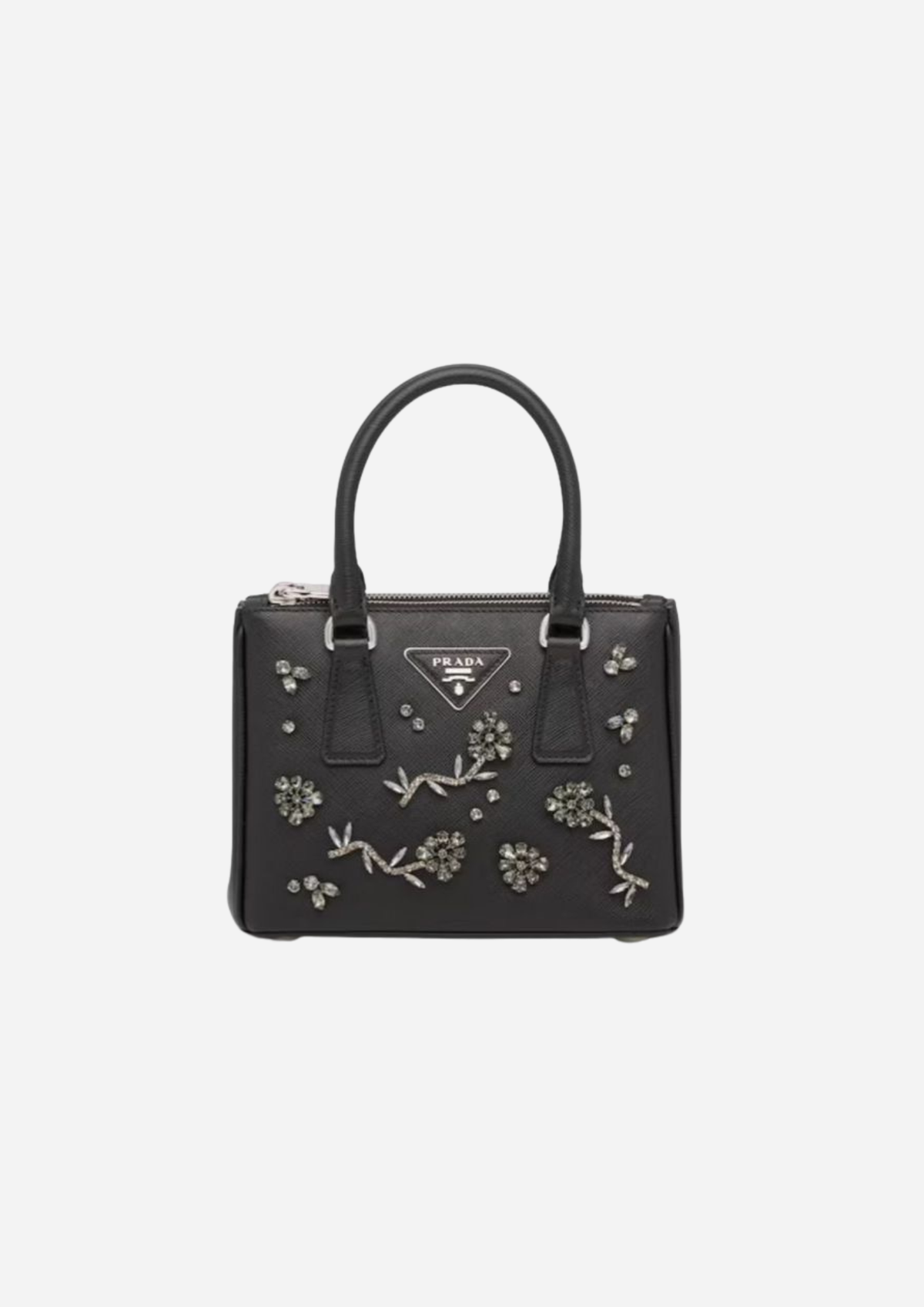
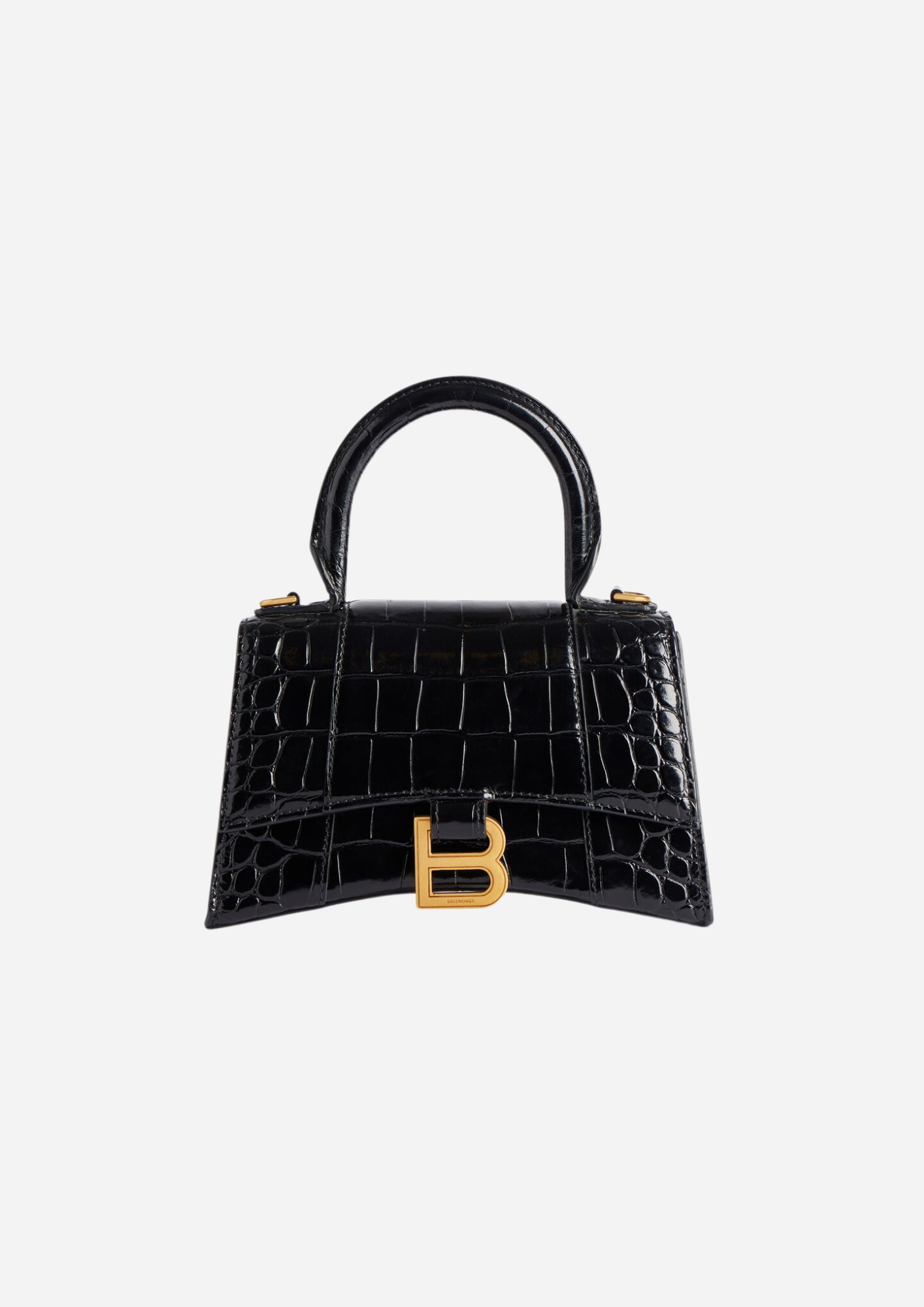
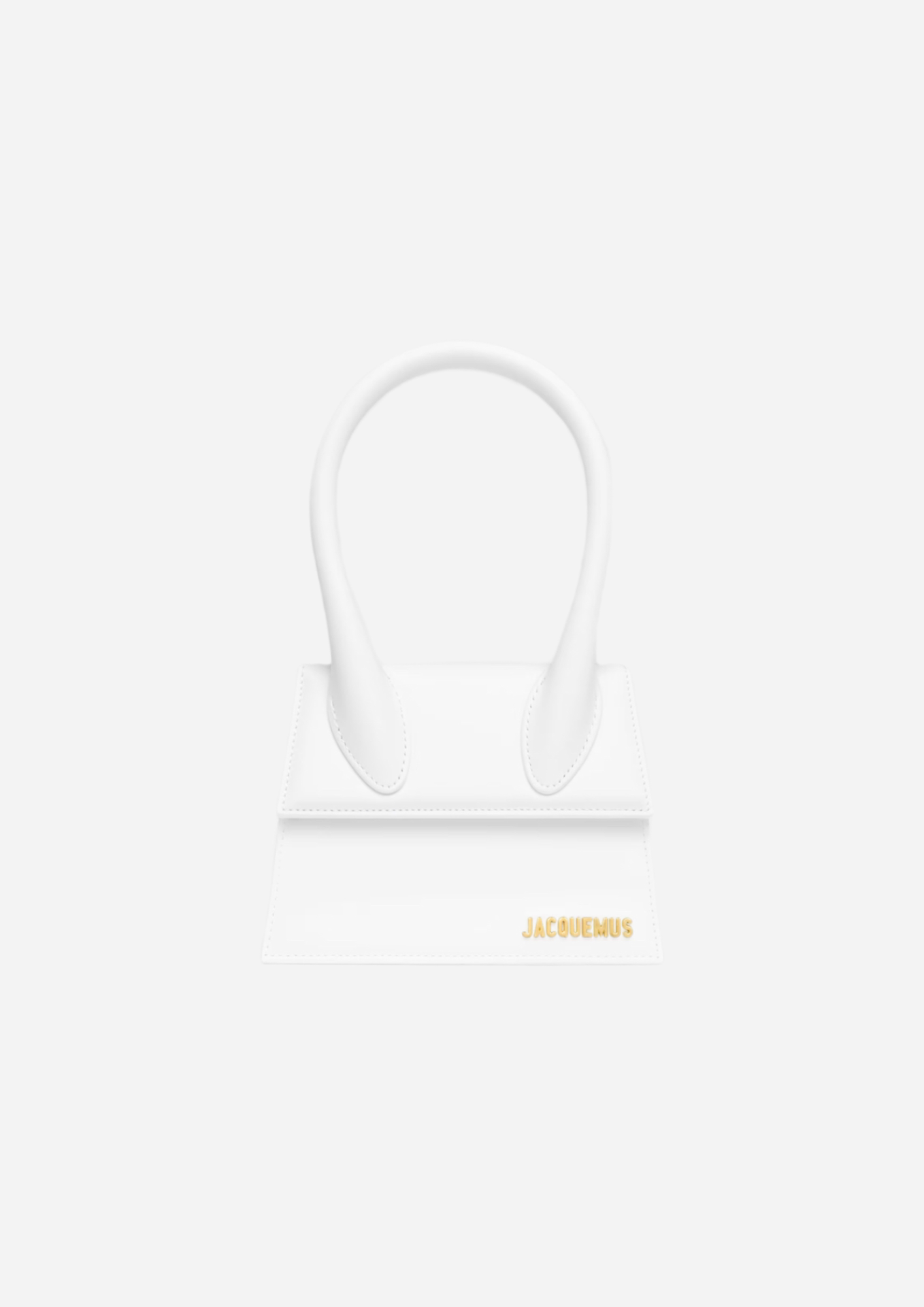
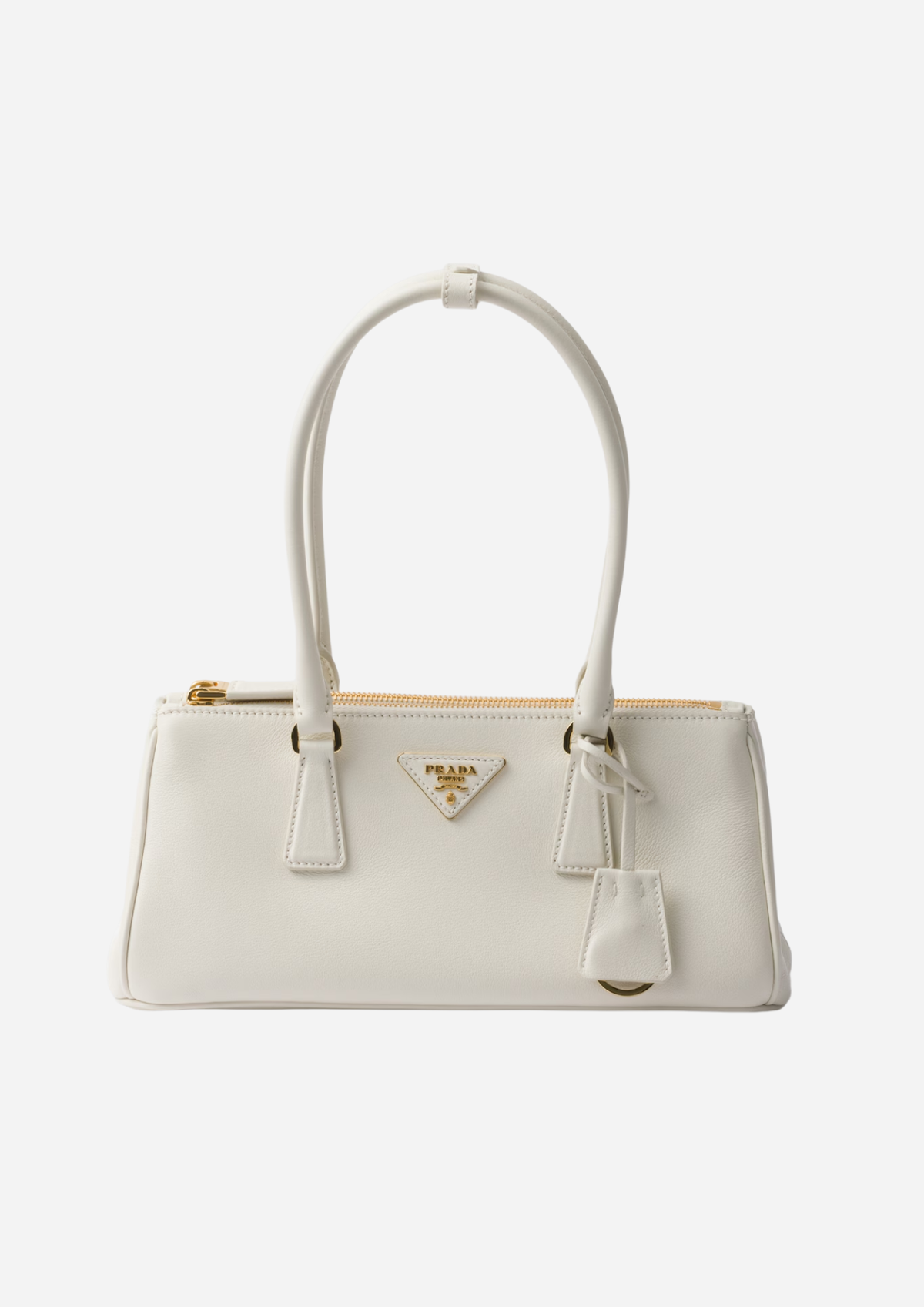
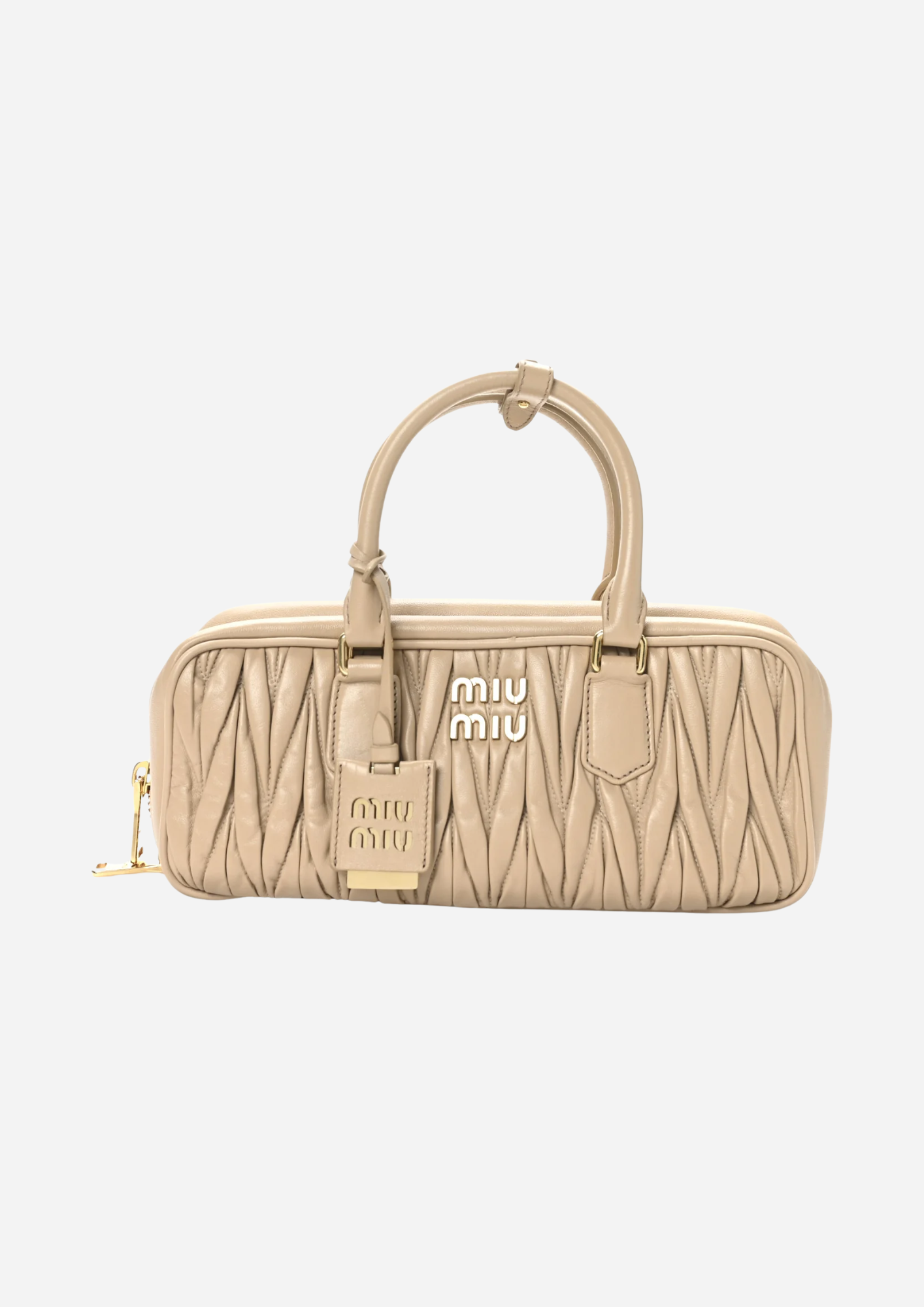
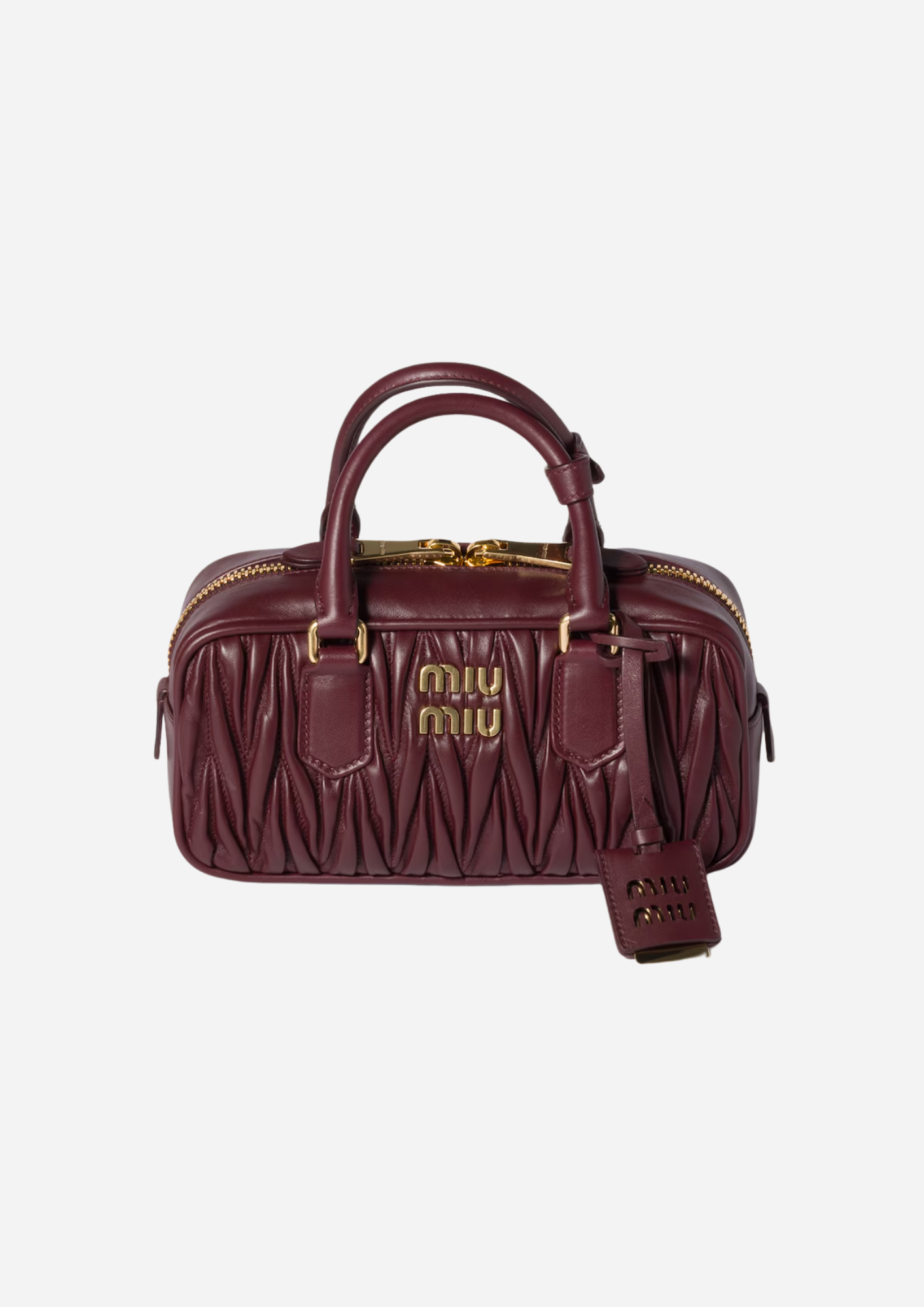
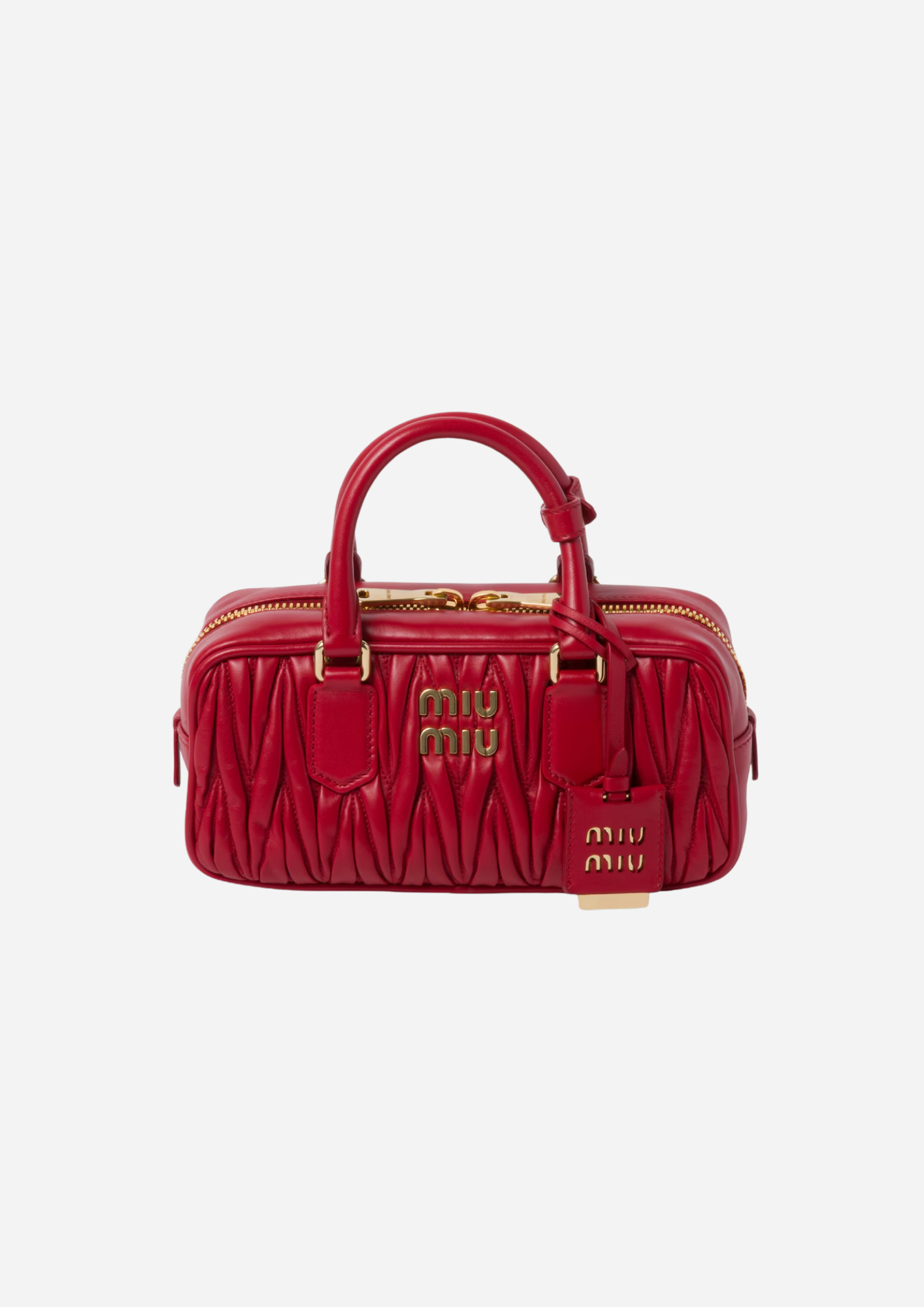
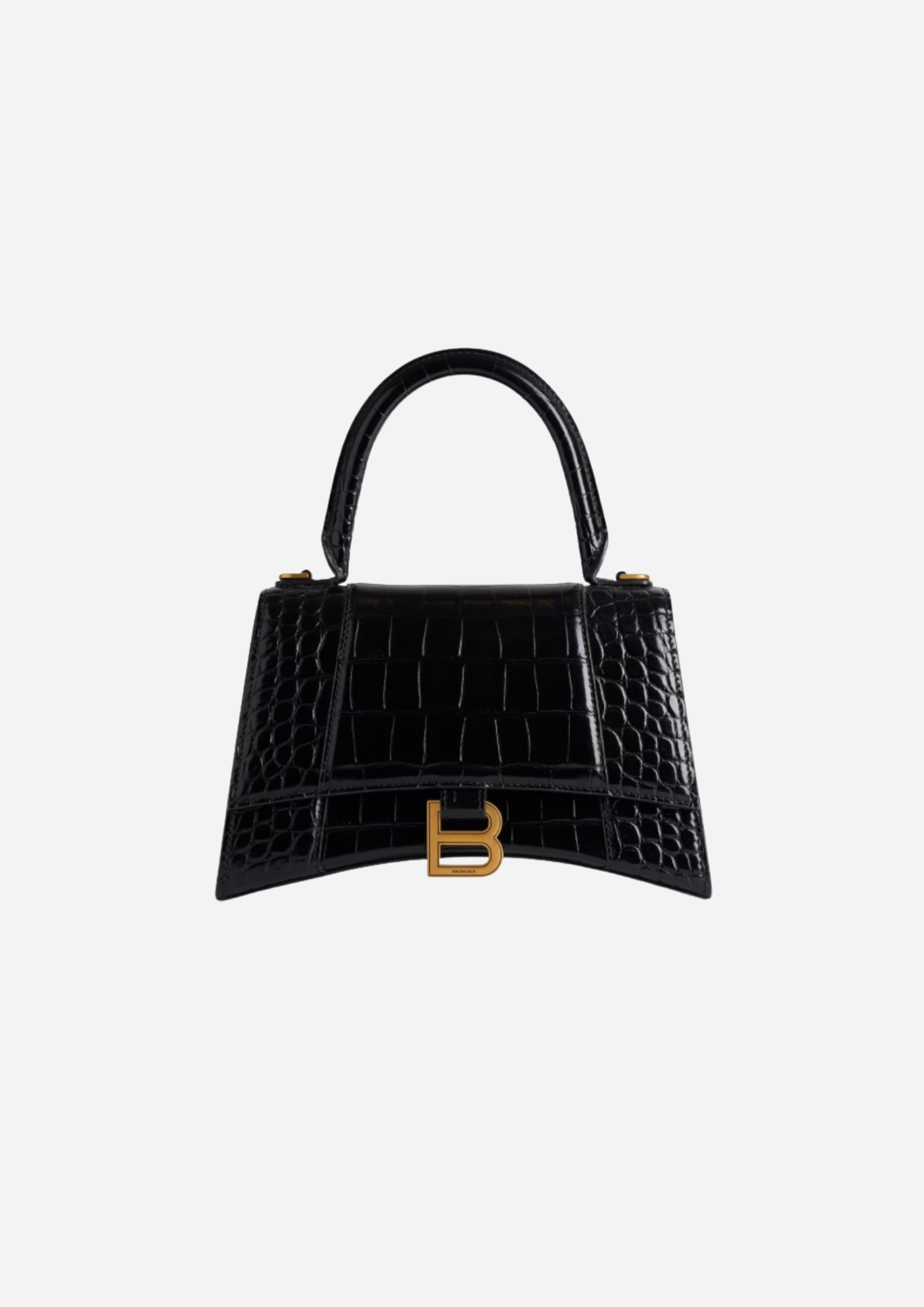
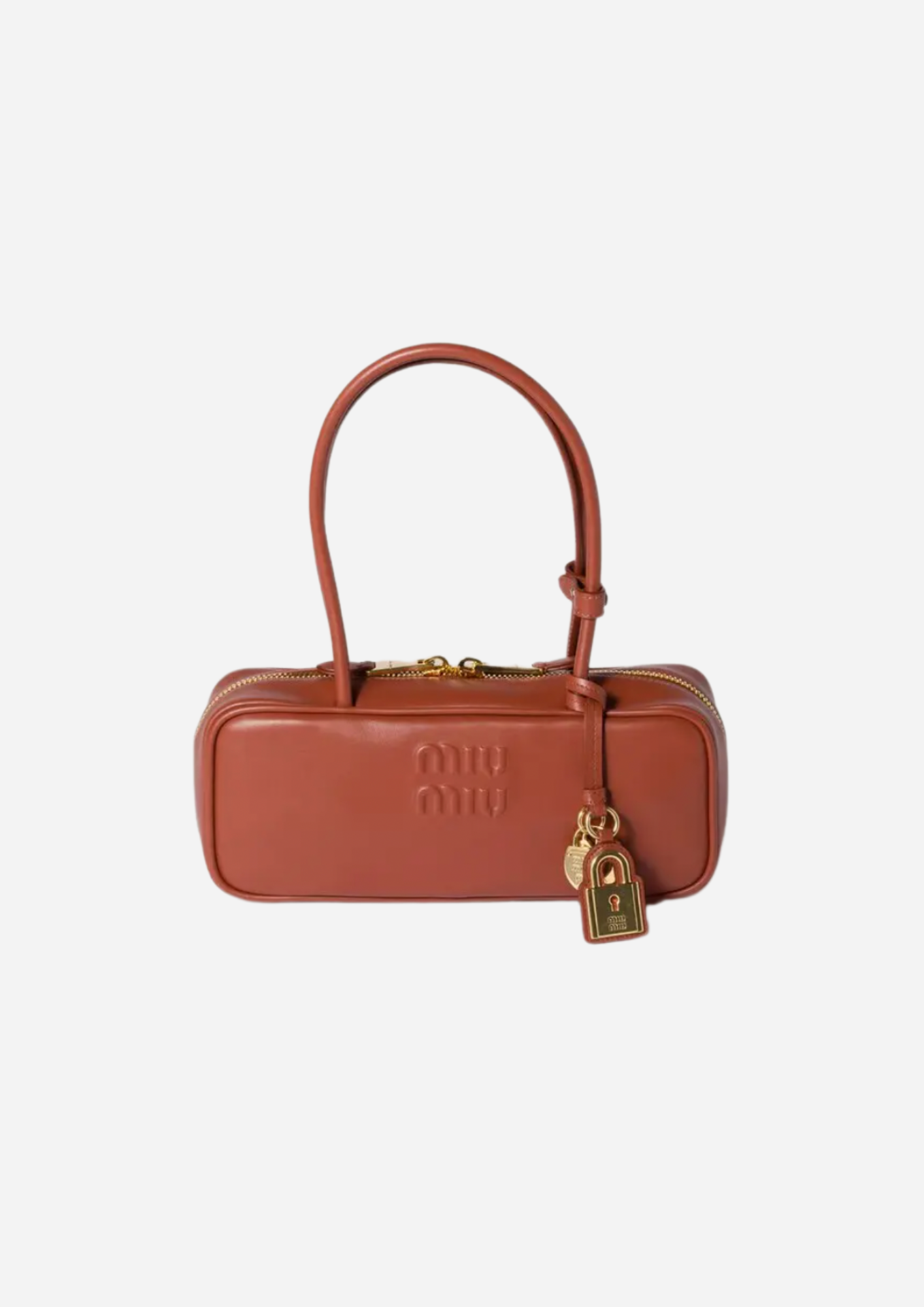
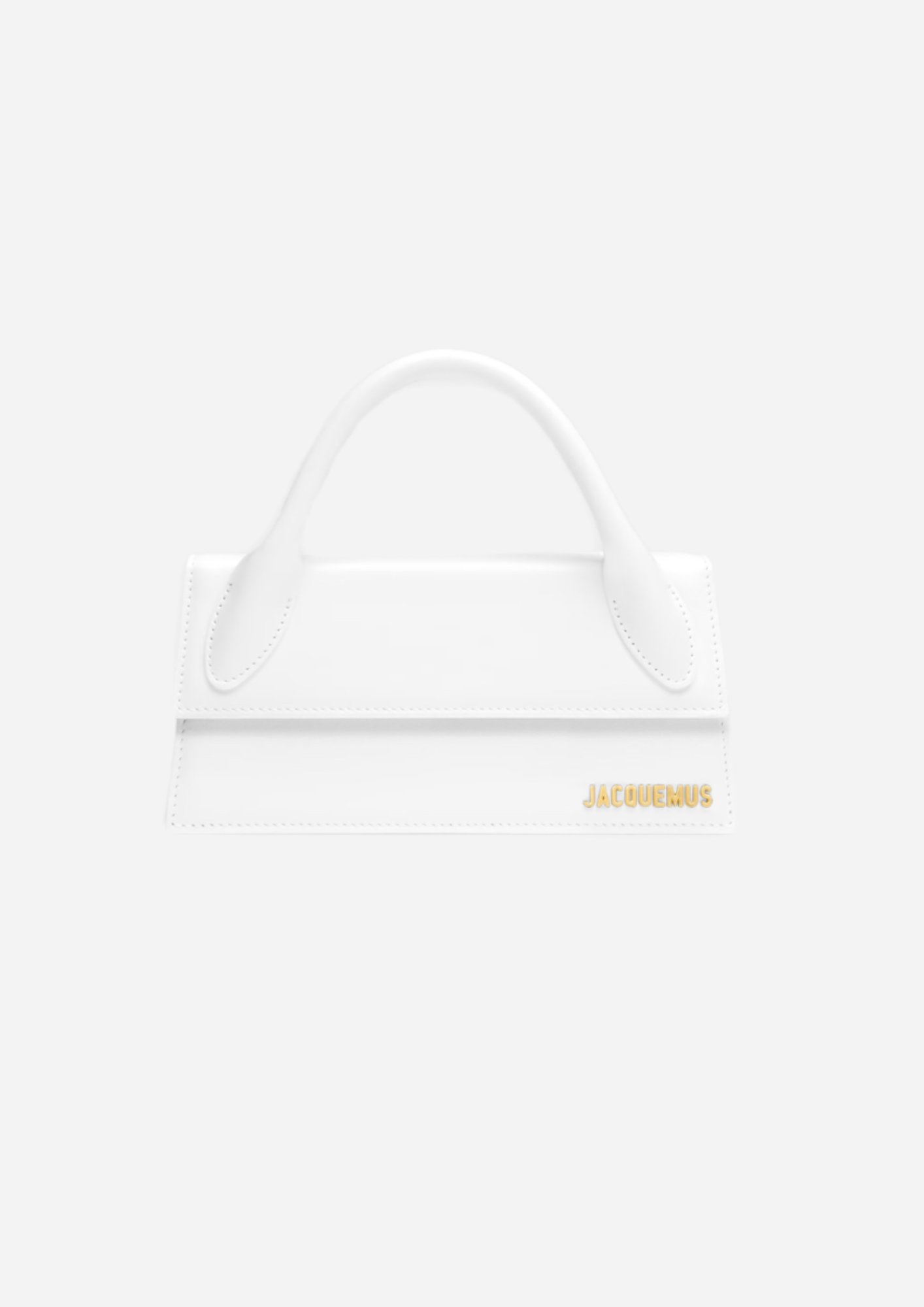
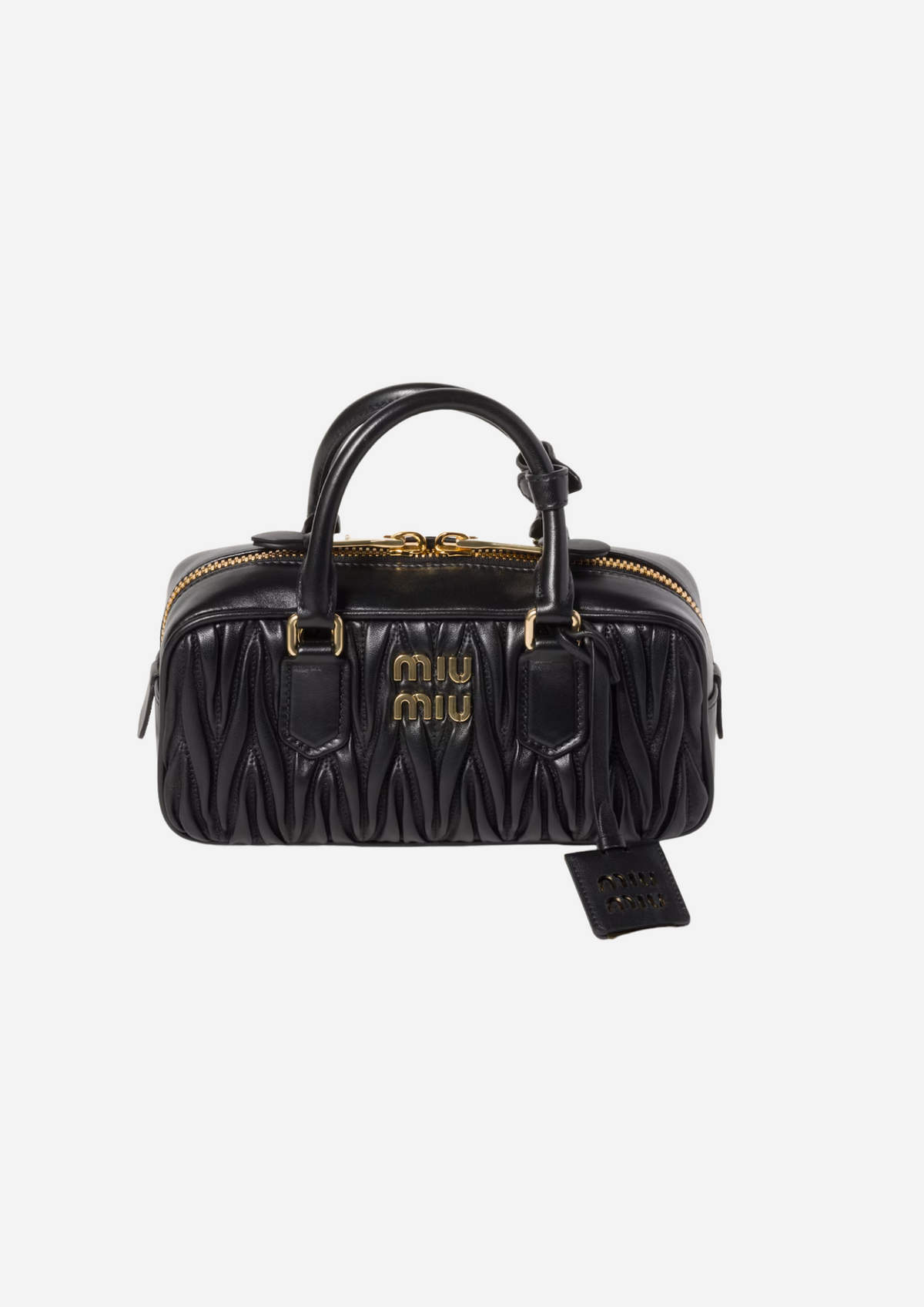
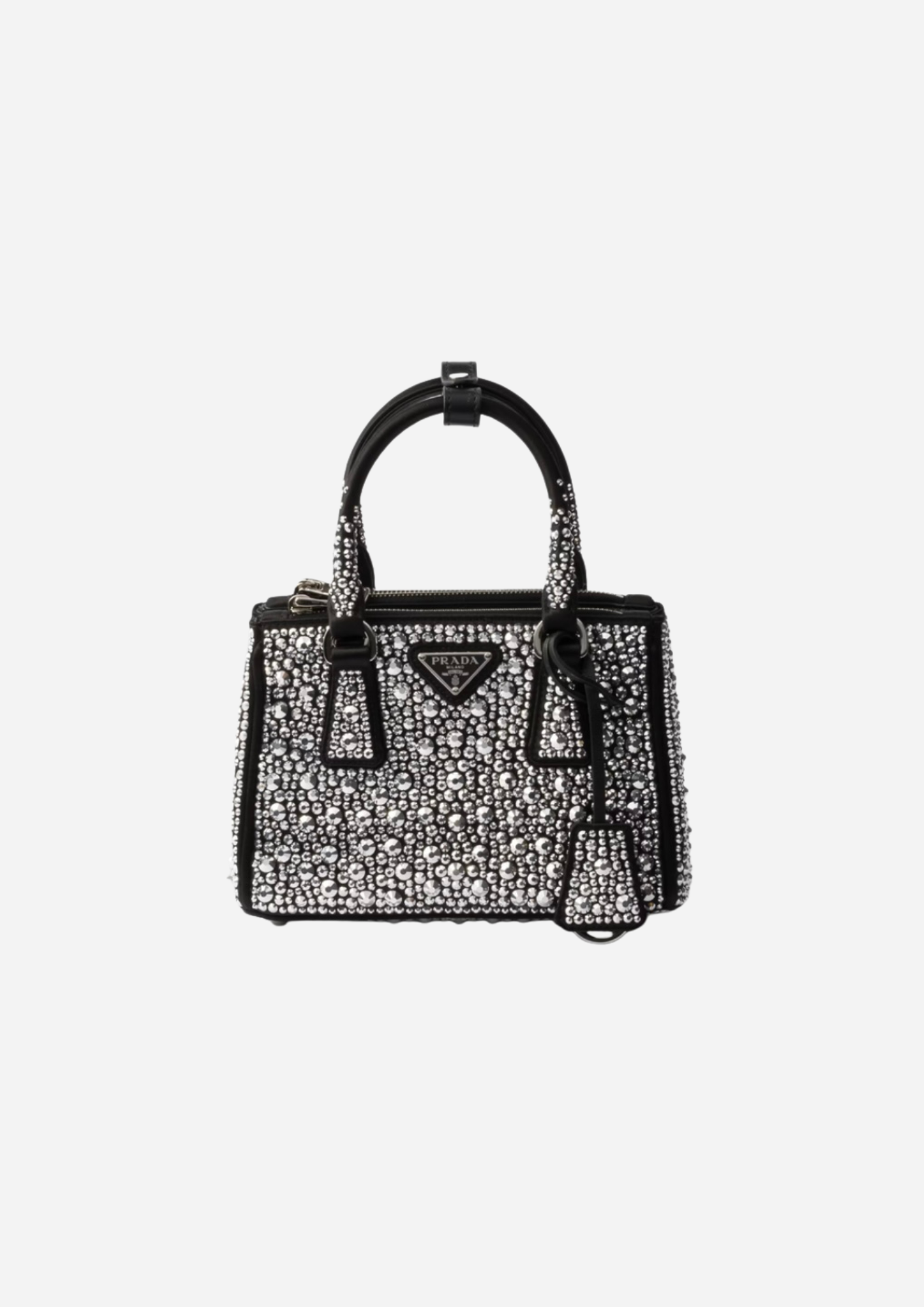
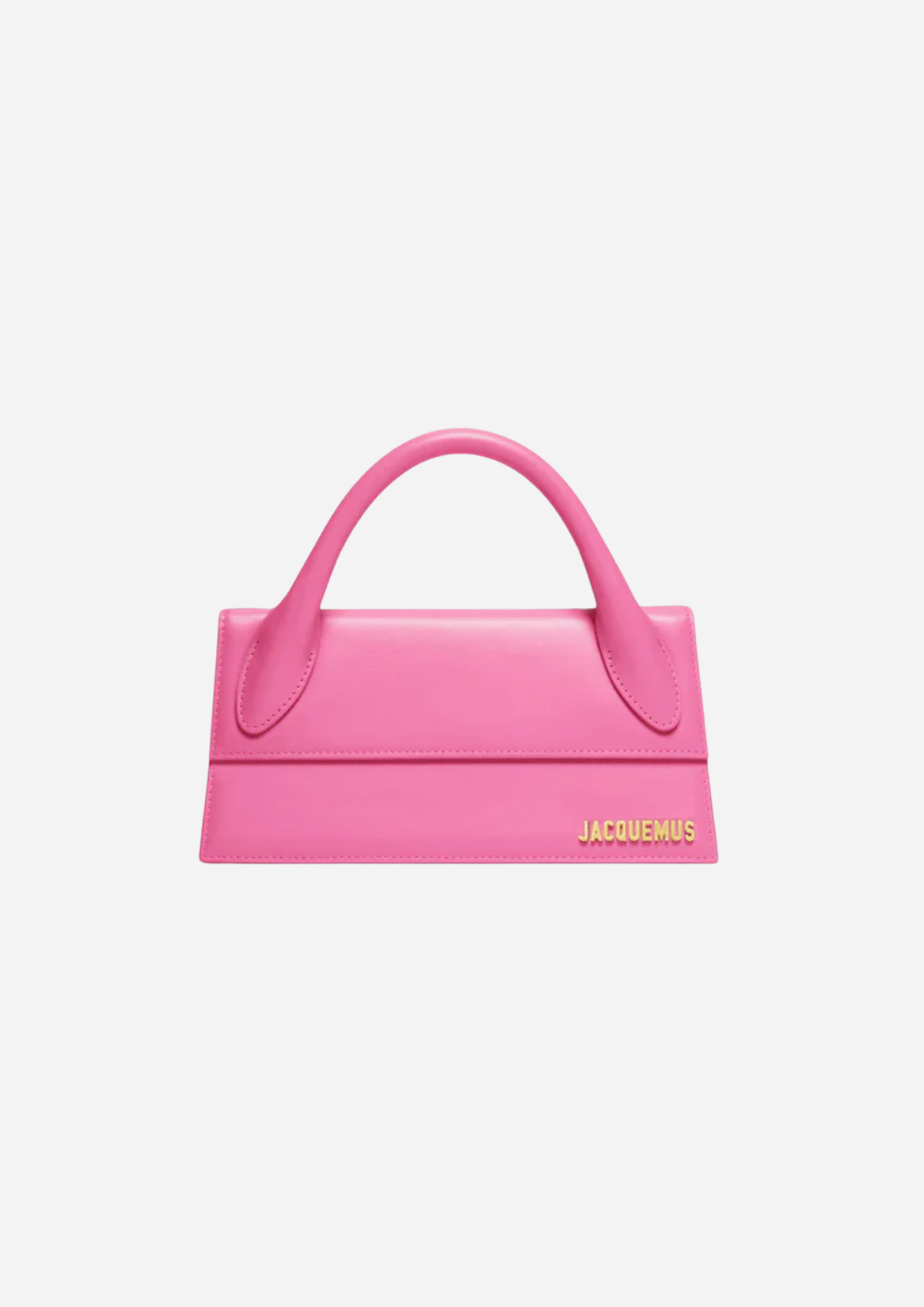
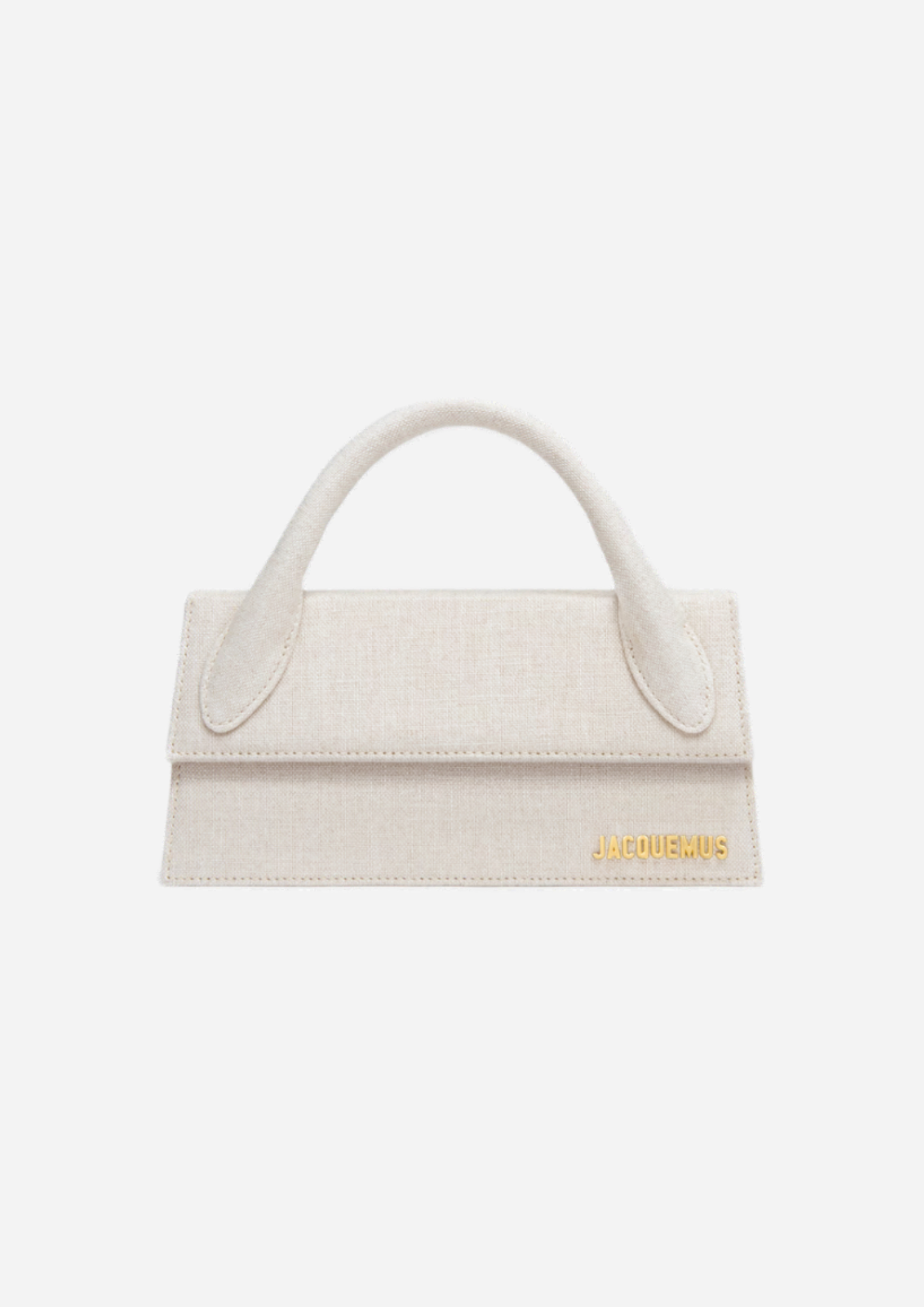
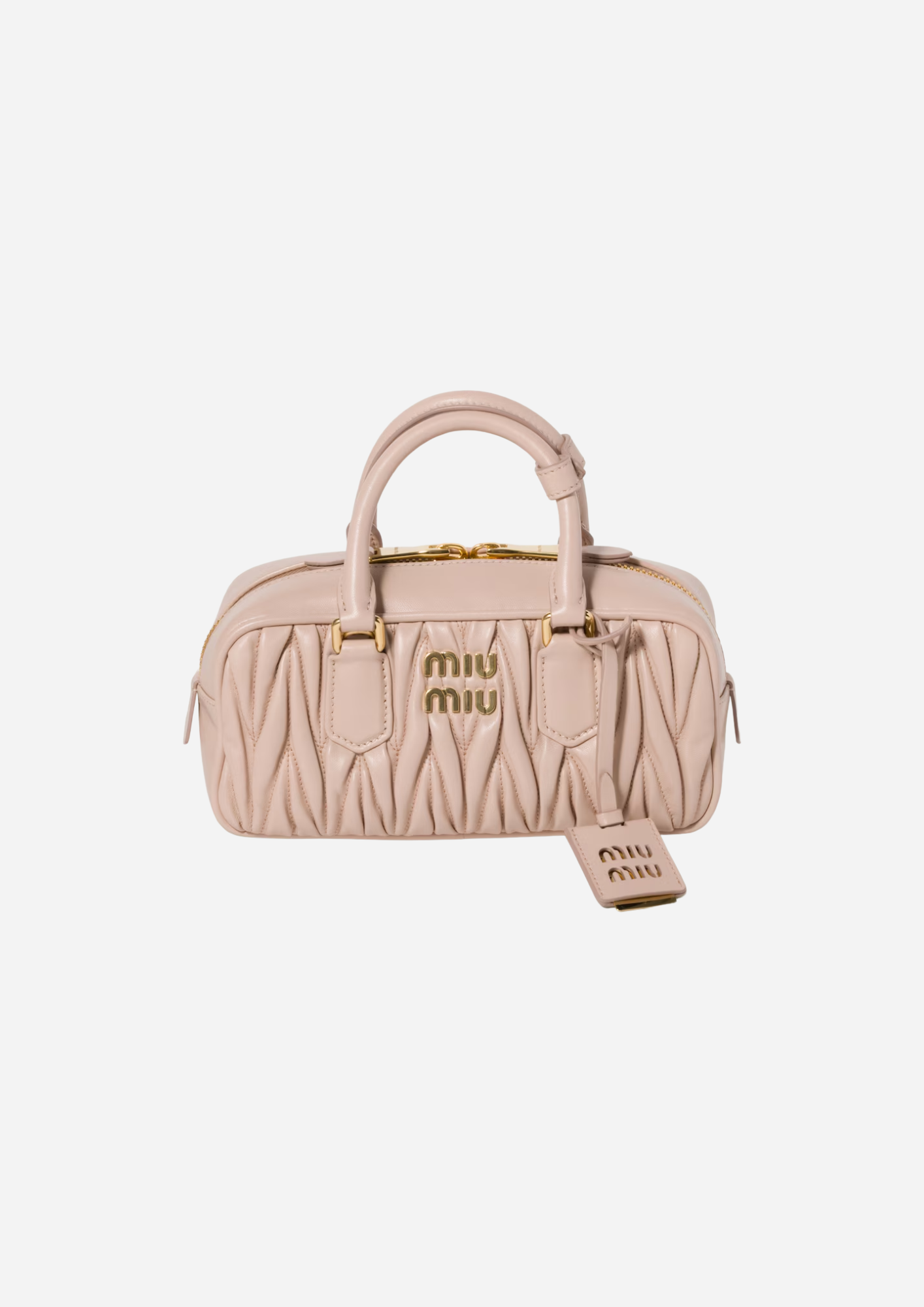
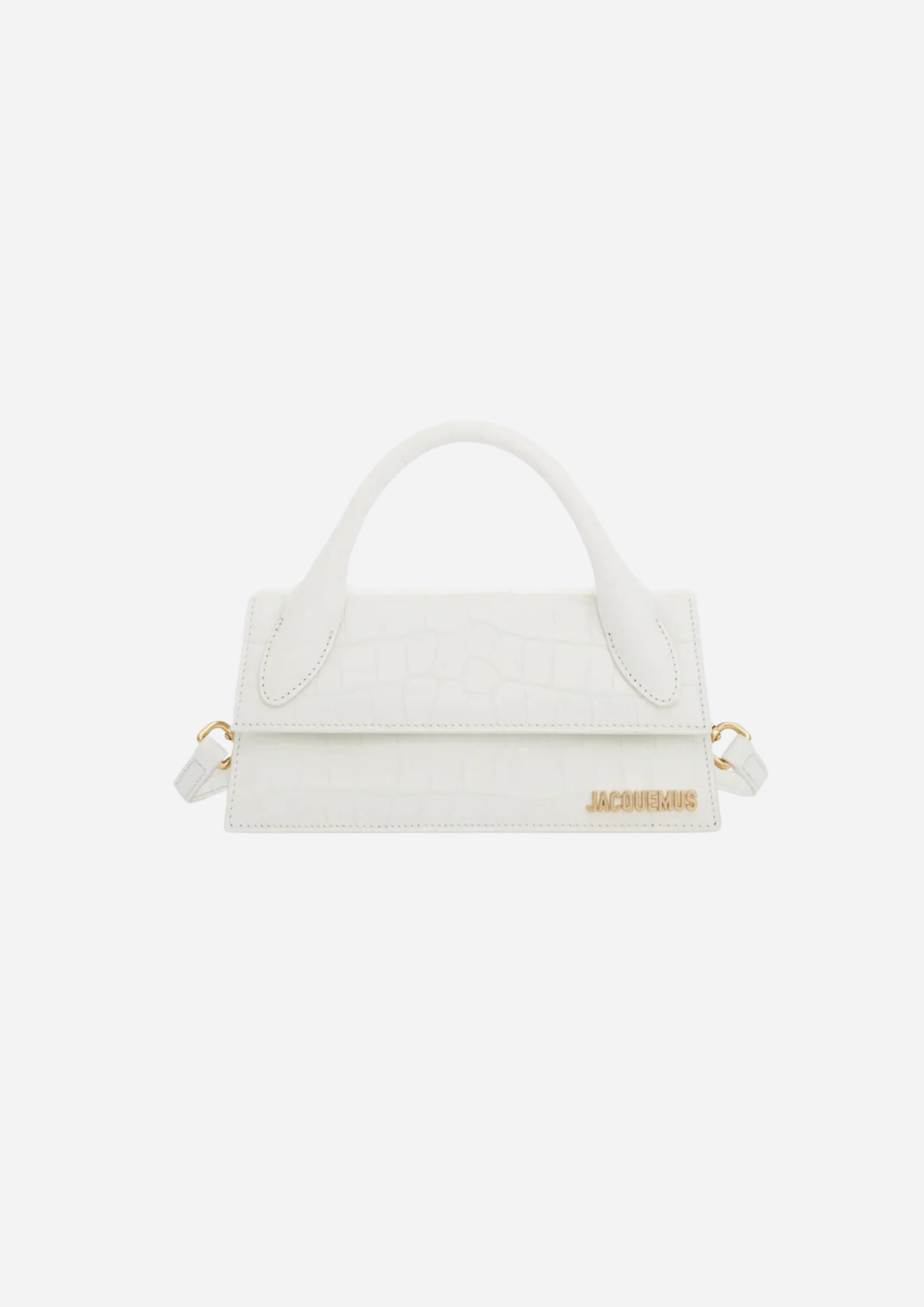
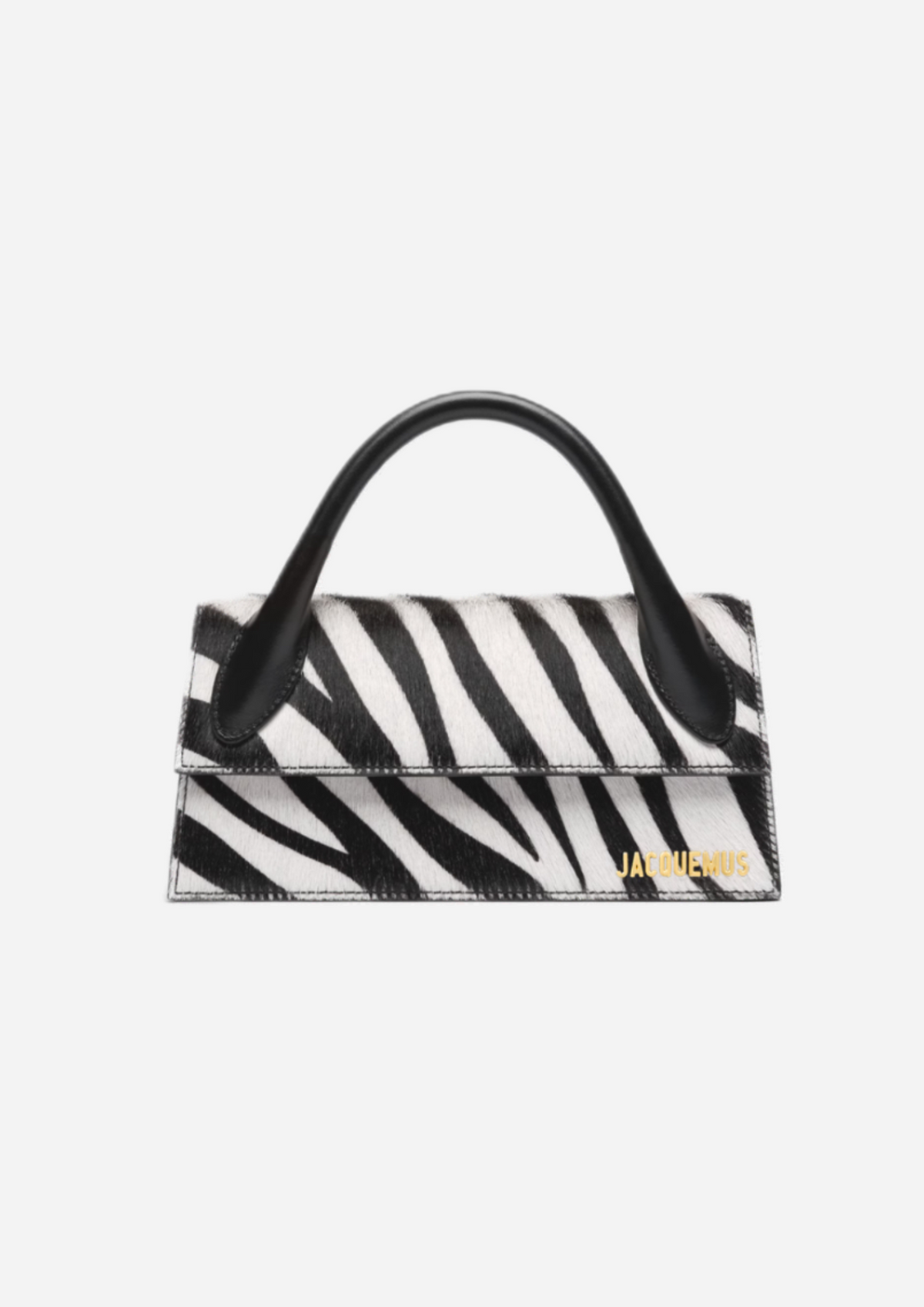
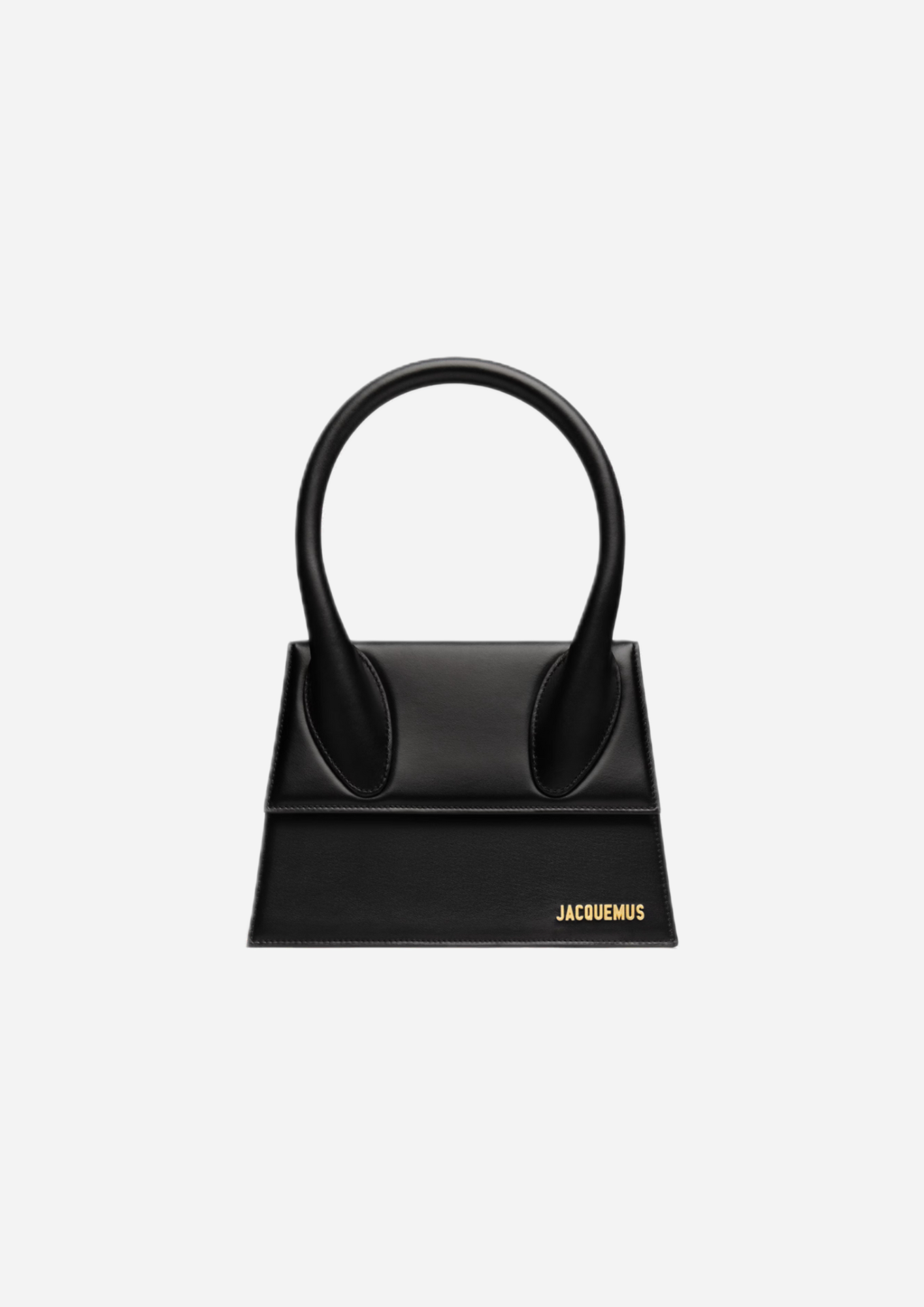
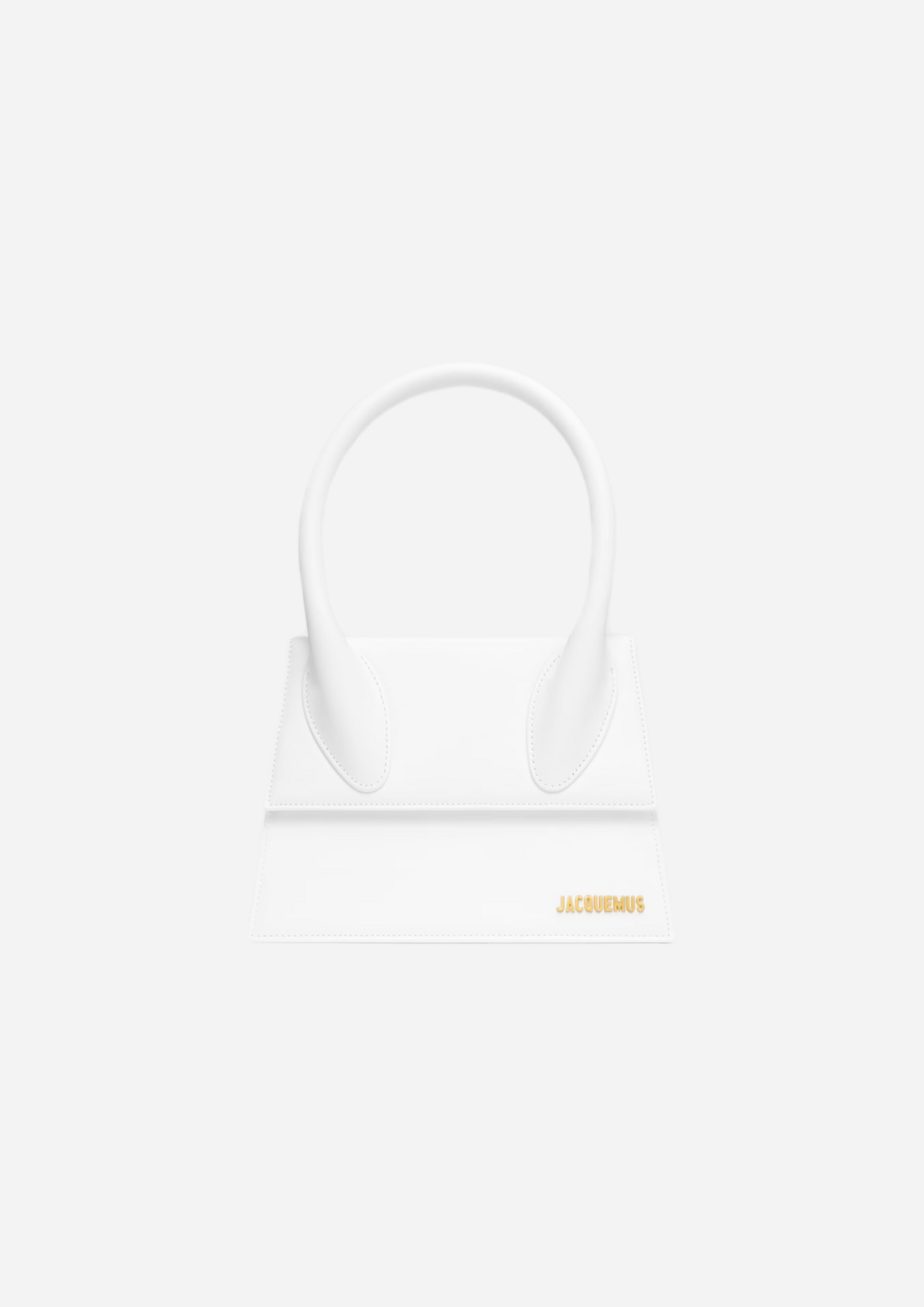
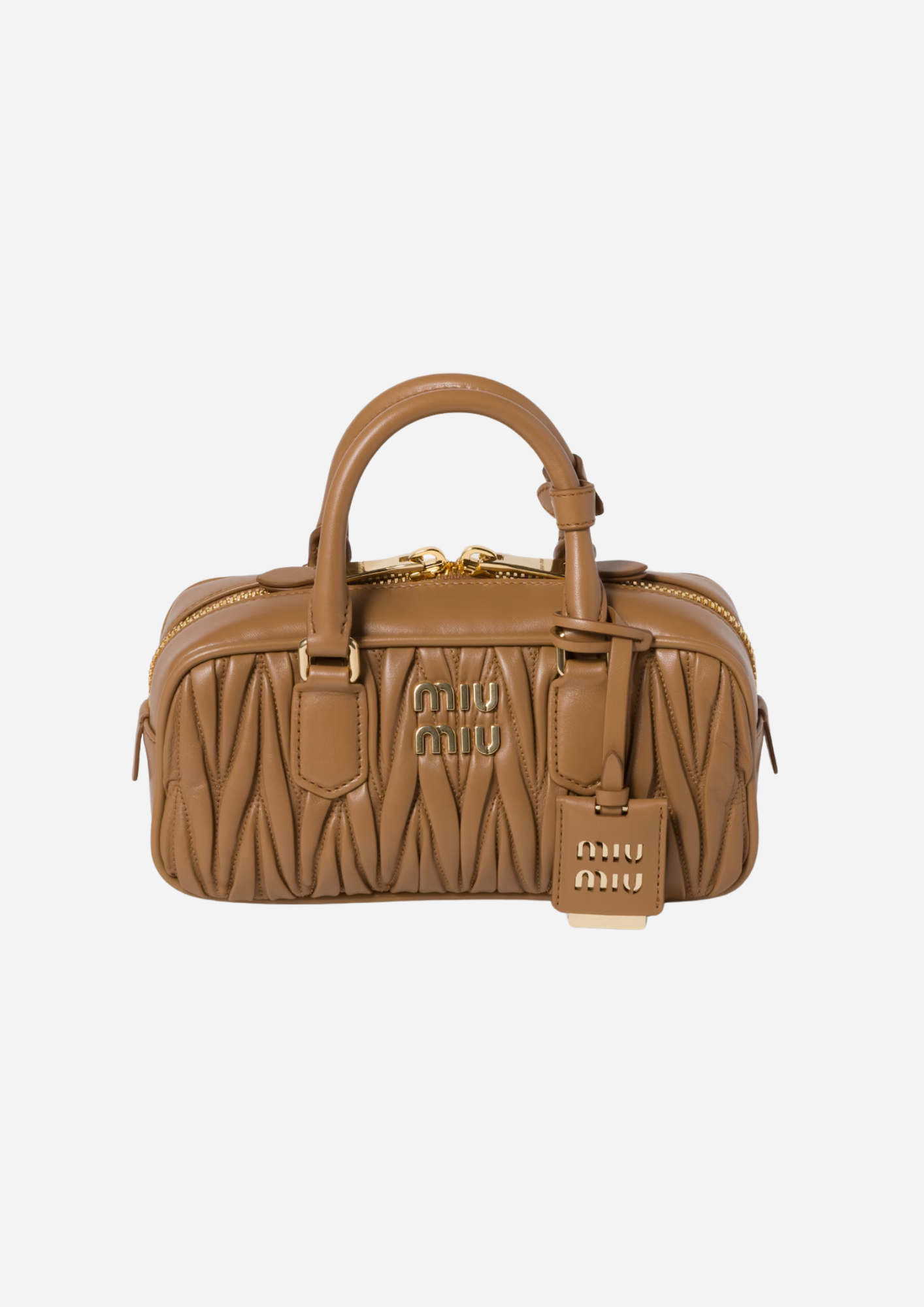
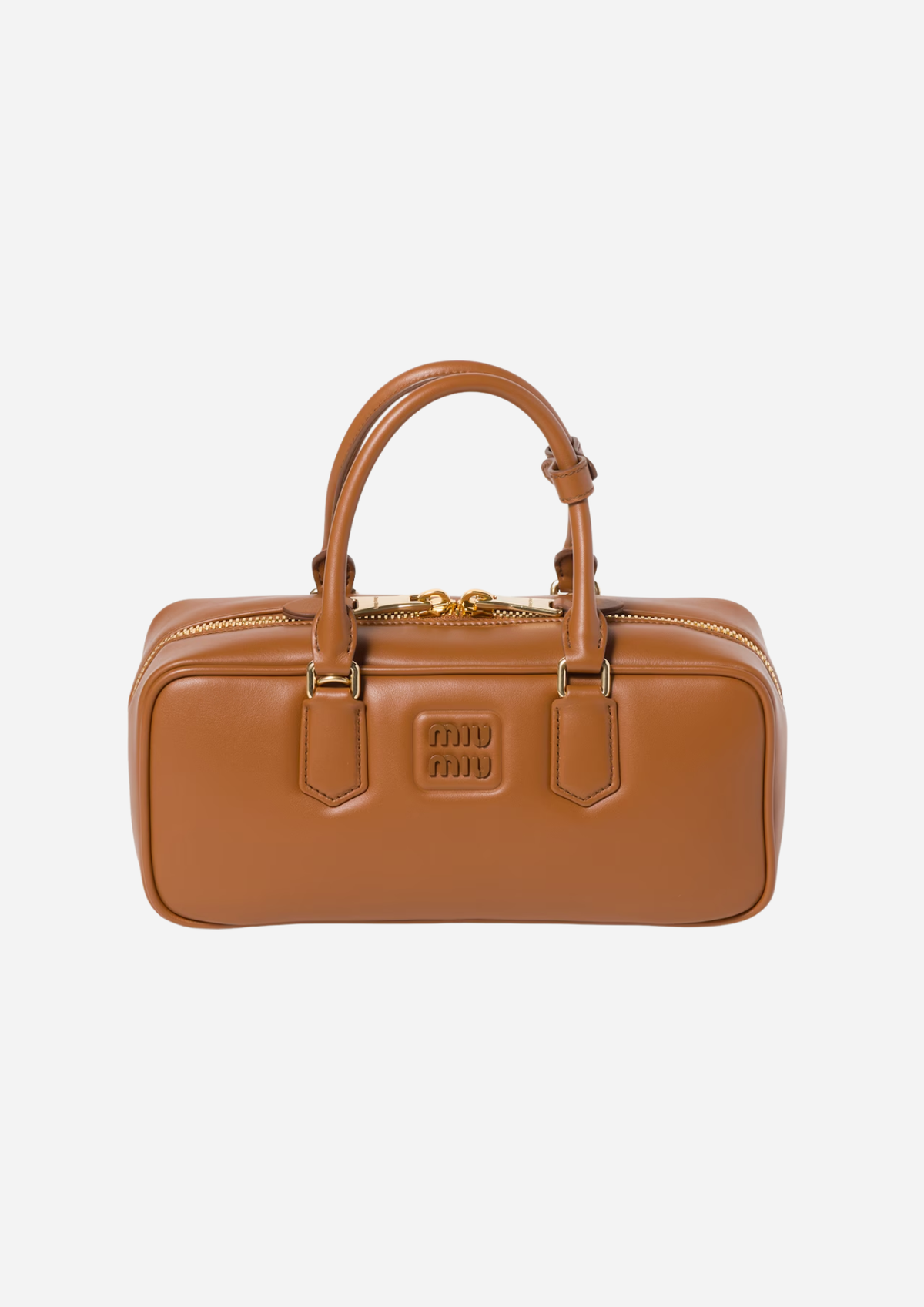
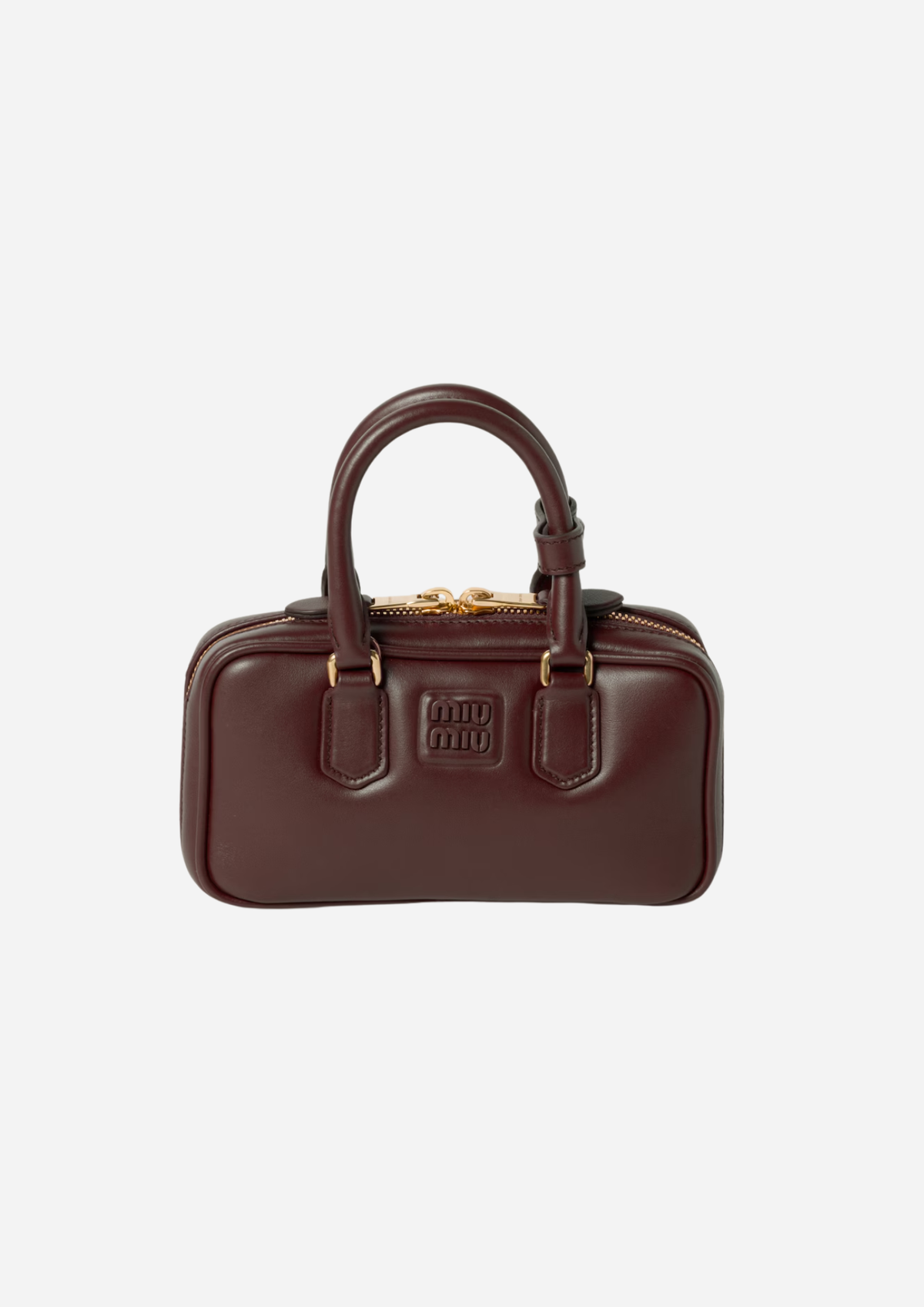
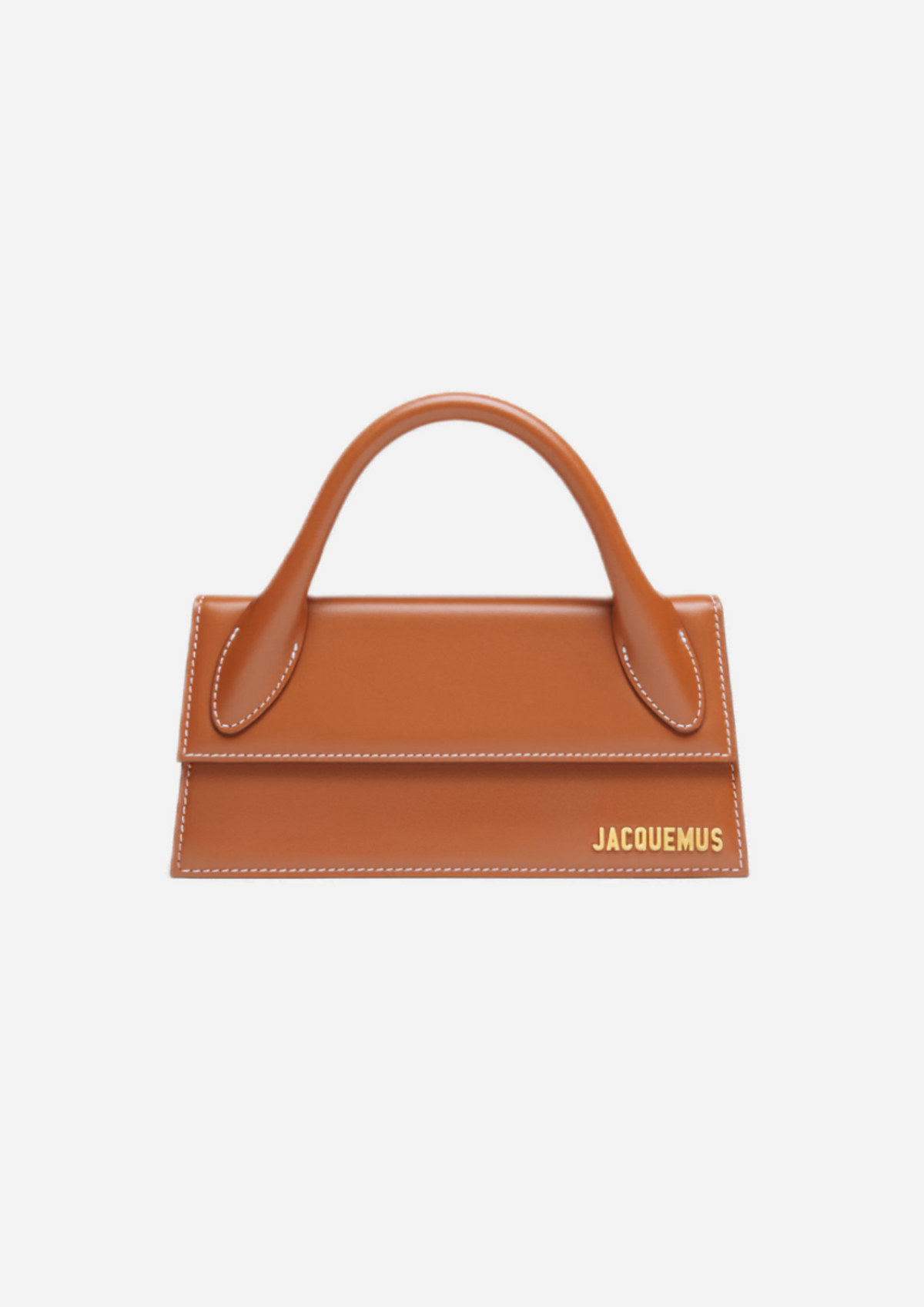
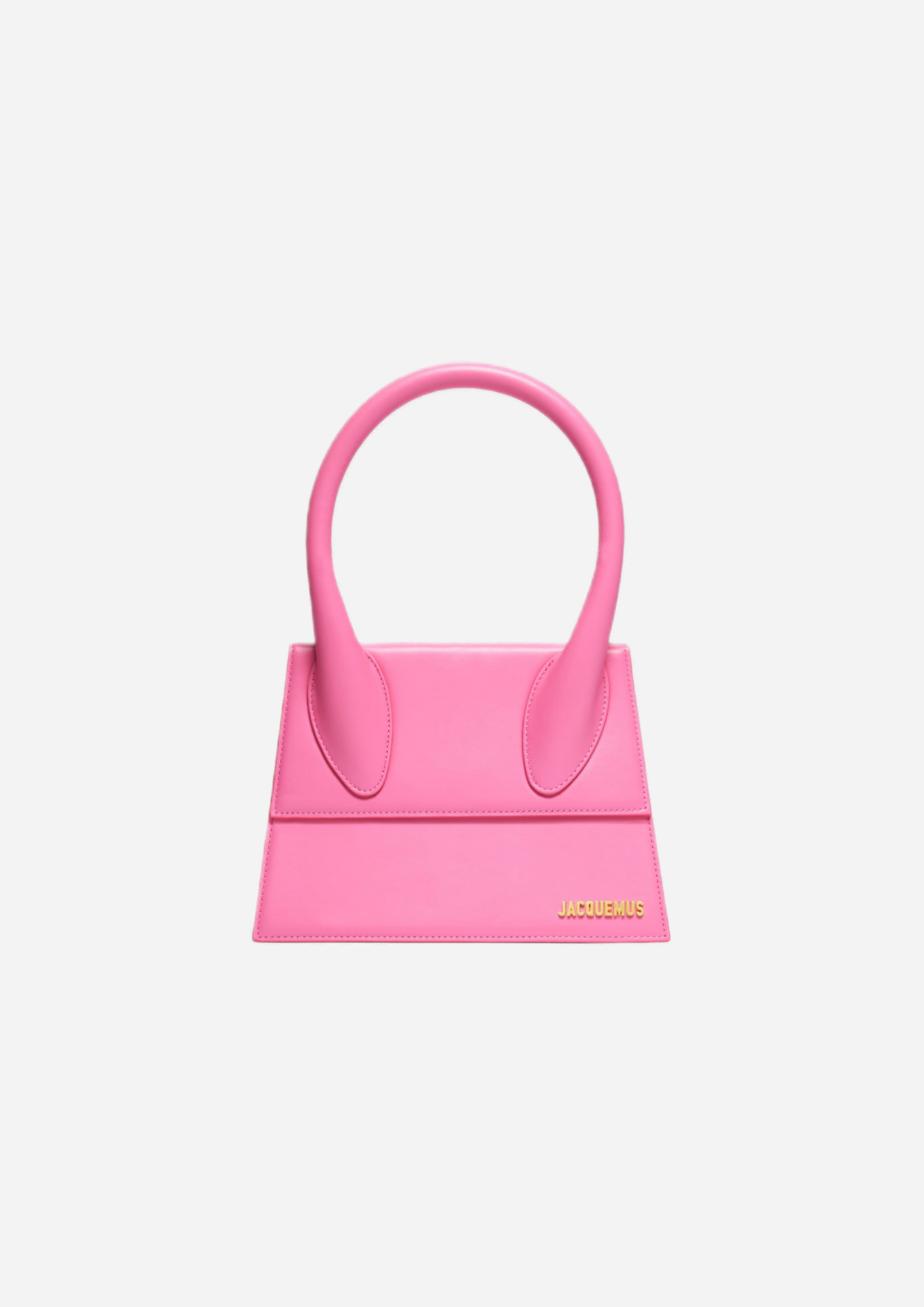
Prada Galleria, The Row Margaux, Miu Miu Arcadie and Beau, Balenciaga Hourglass and Jacquemus Chiquito show how much the result can change while working with the same basic elements: two handles, a central body and defined proportions.
Prada Galleria: shape, size and materials
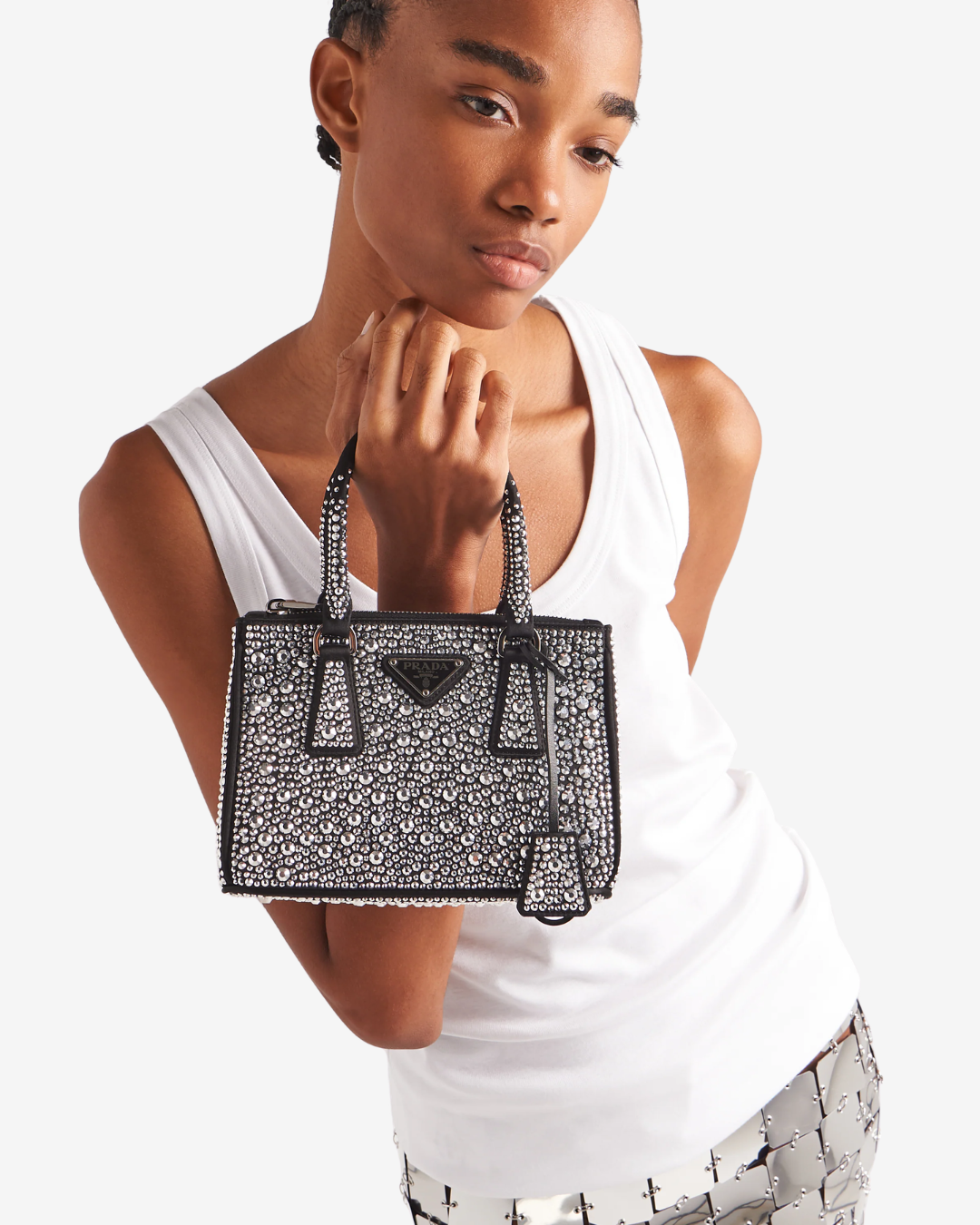
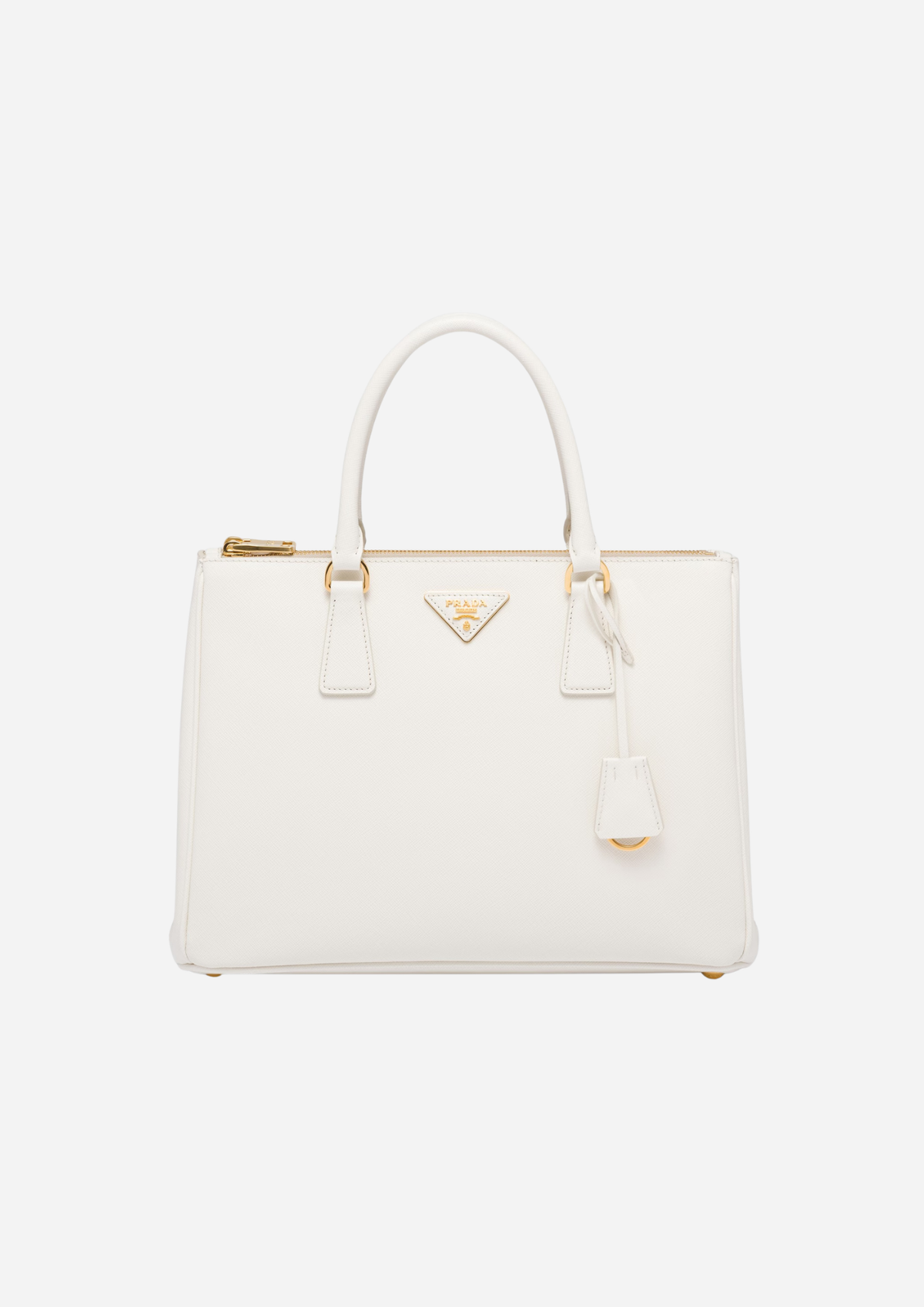
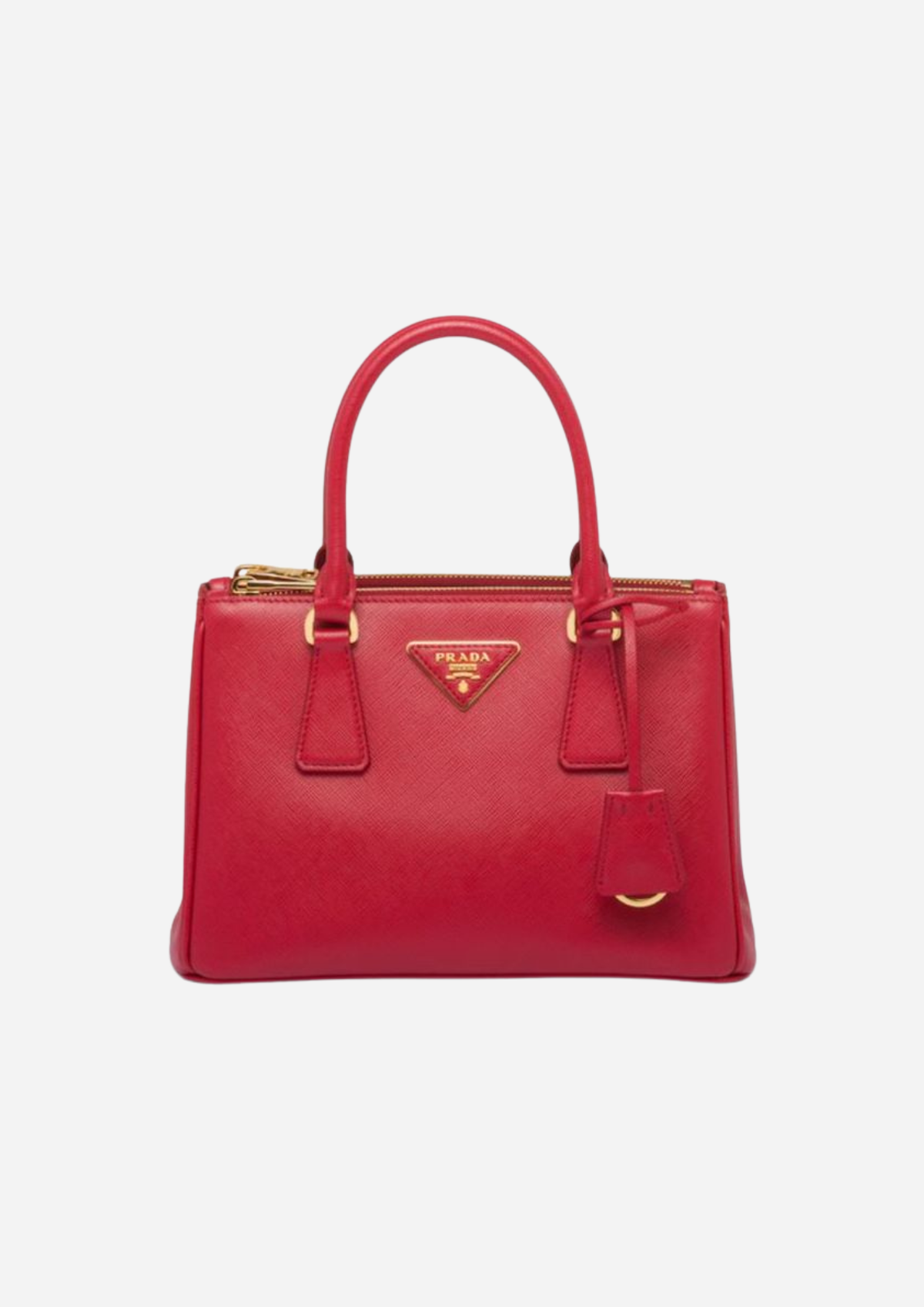
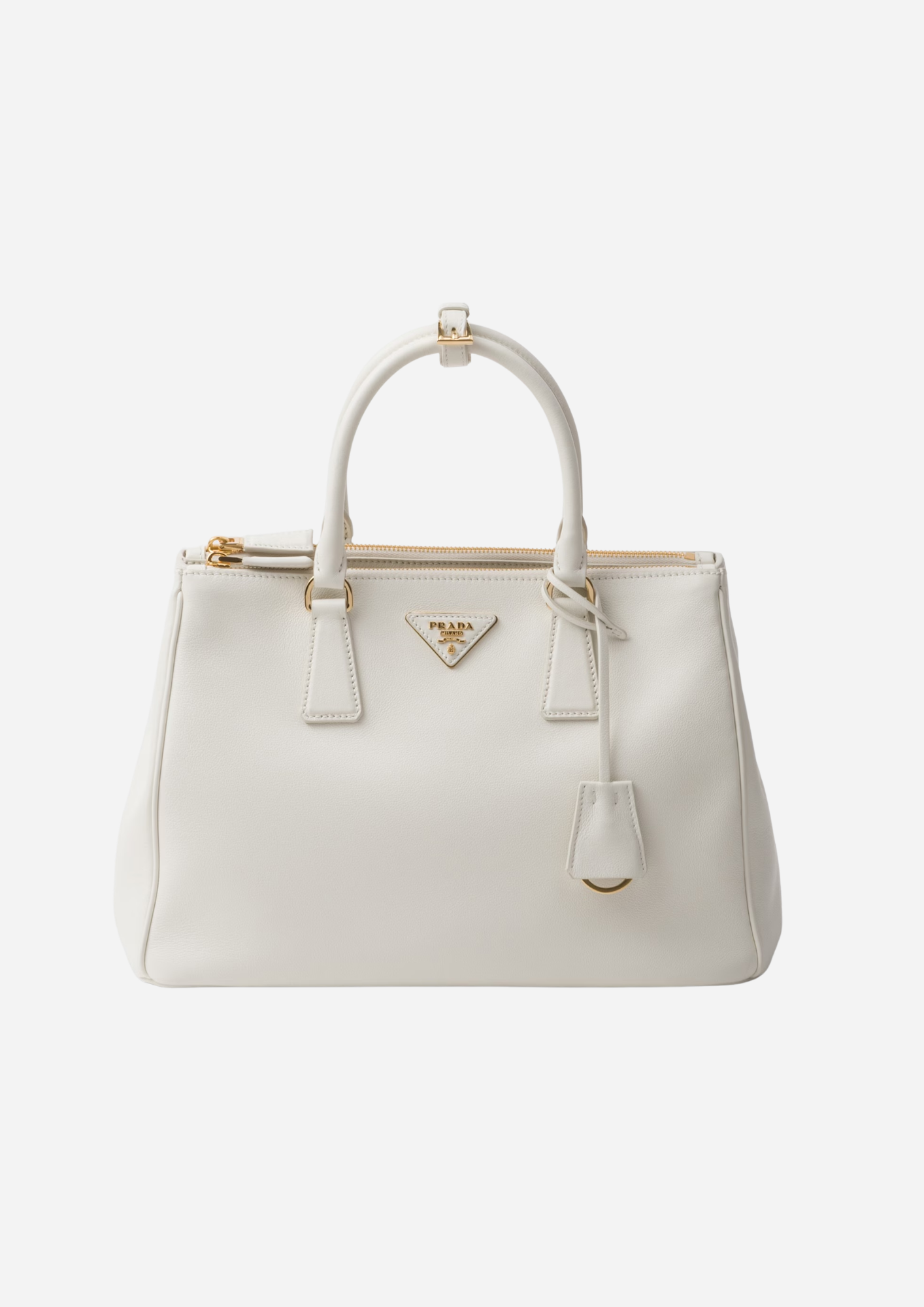
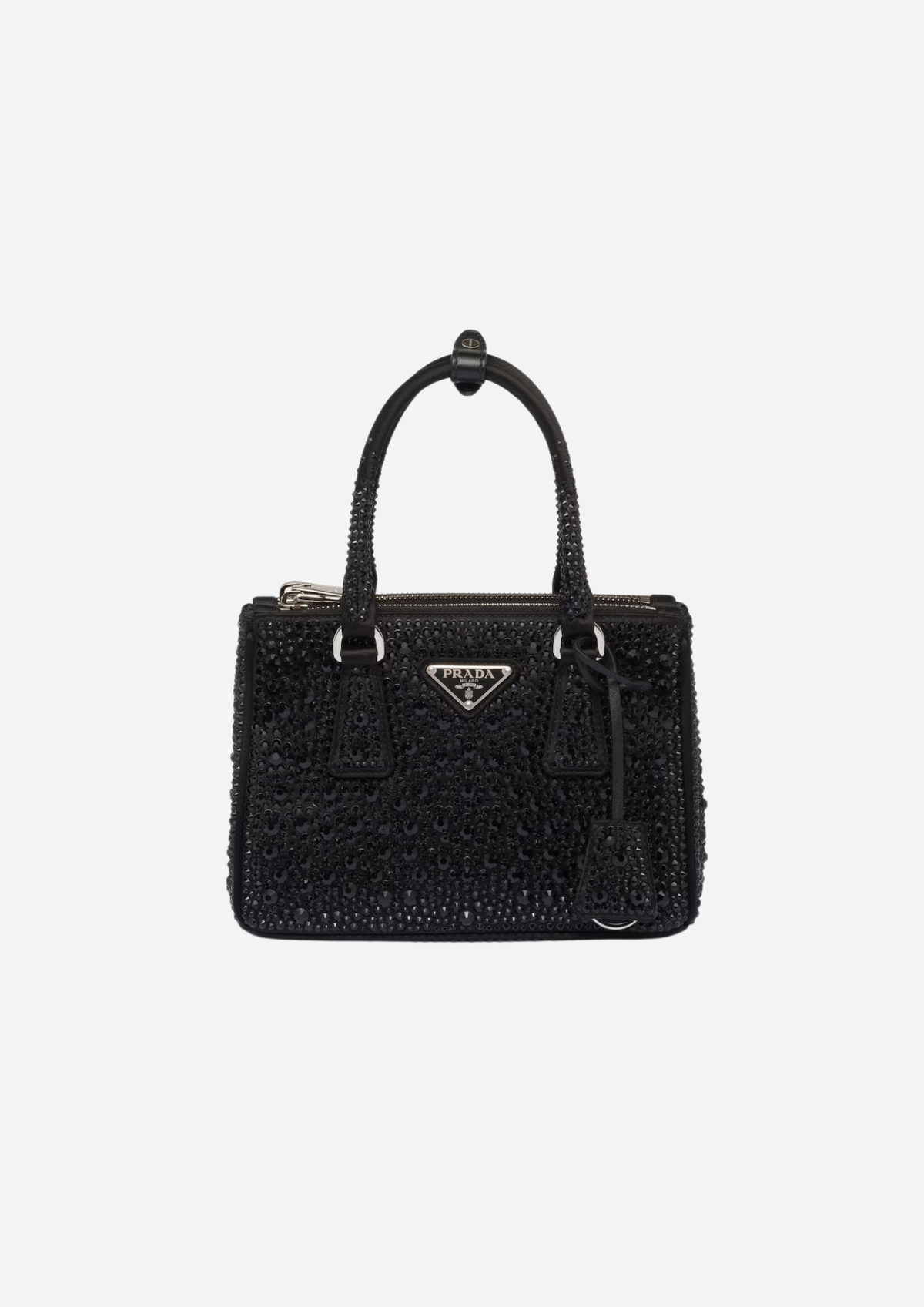
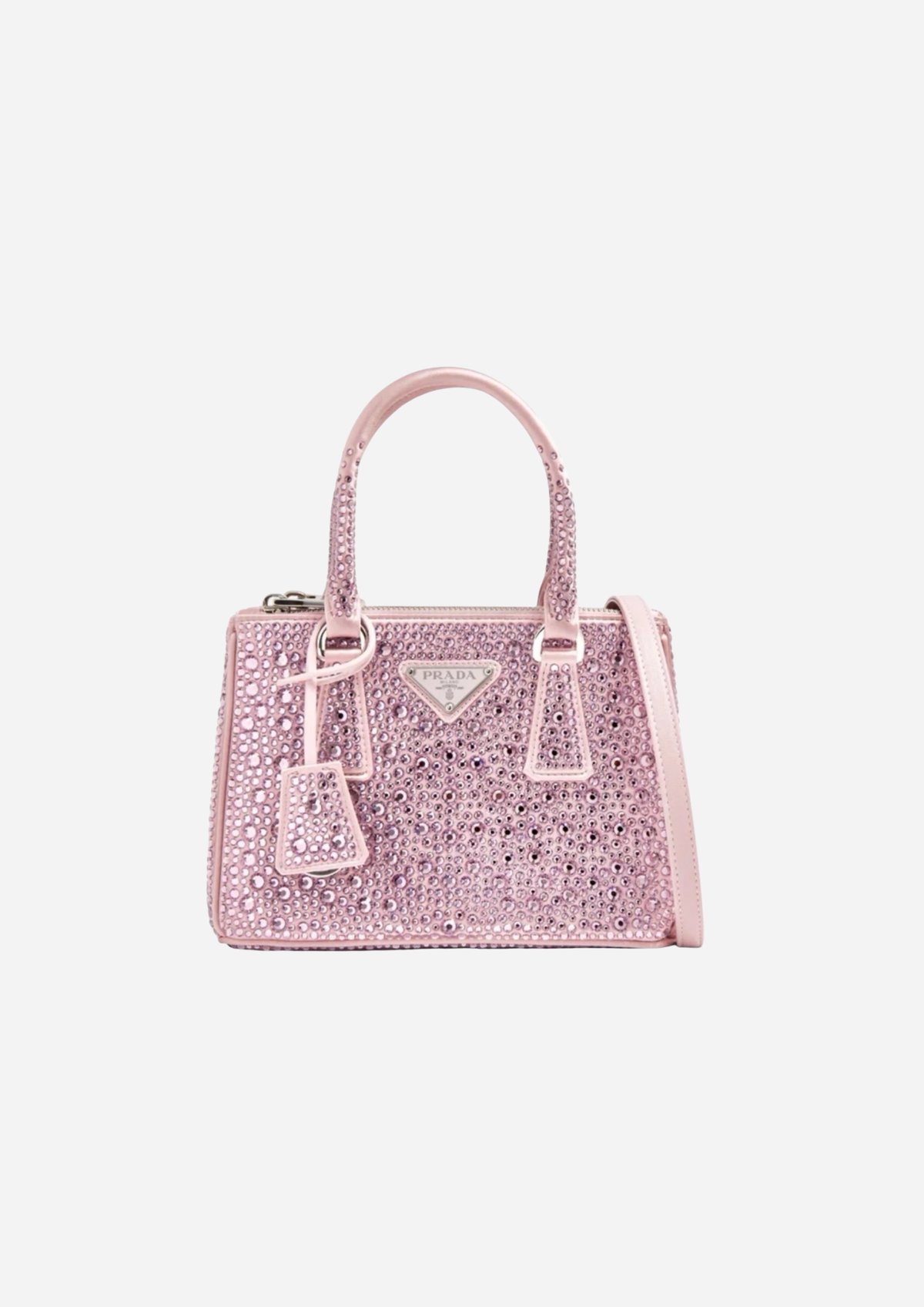
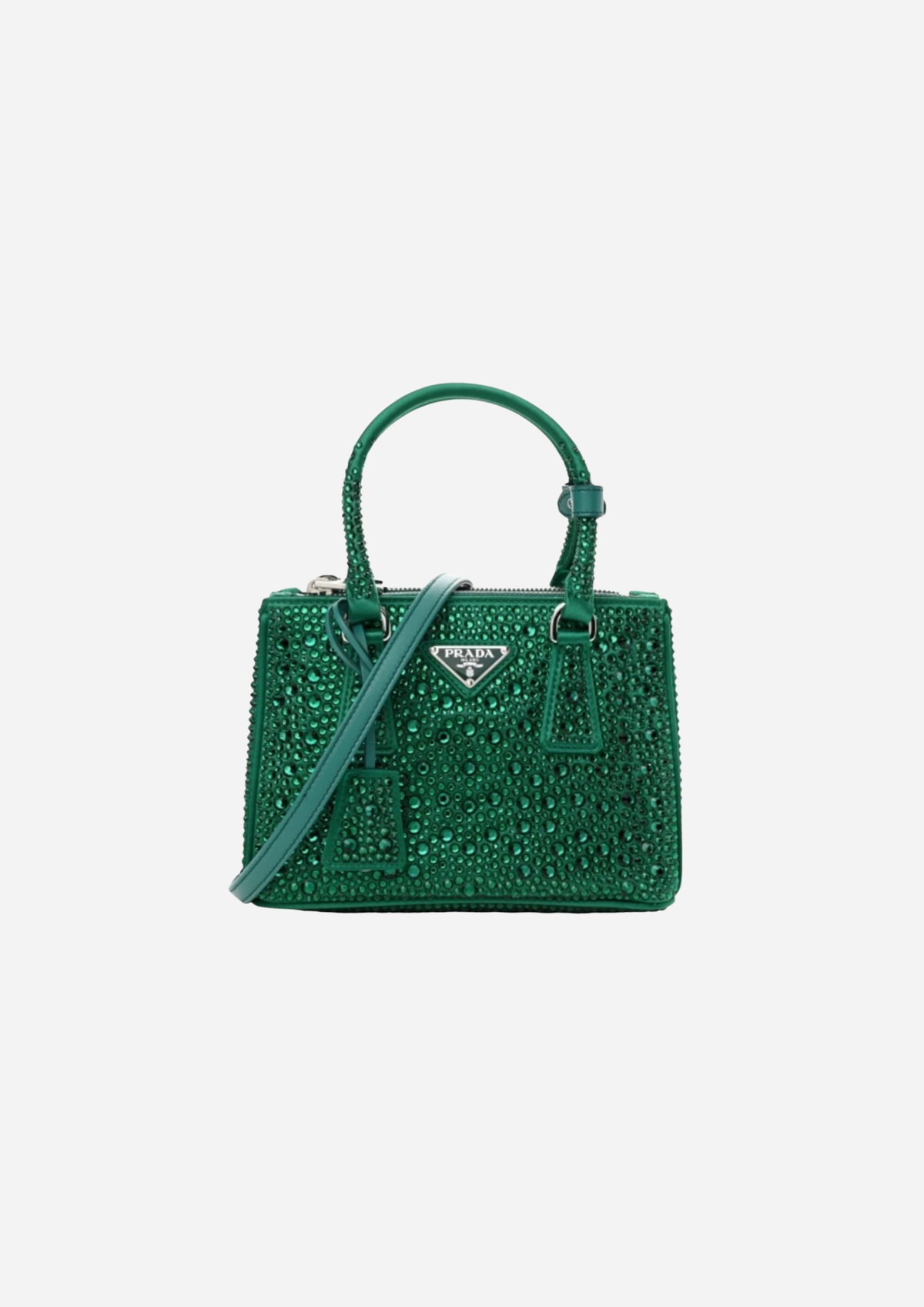
The Prada Galleria builds its identity around a precise structure. Capacity and proportions change between Mini, Medium and Large versions, but the impression of a bag designed to retain a neat, defined shape remains constant.
Saffiano leather emphasises this quality through its firmer, recognisable surface, while calfskin softens the overall effect slightly. Satin versions with crystals take the same silhouette in a more decorative, evening-oriented direction. Comparing different materials shows how a classic construction can change without losing its identity.
Within the range of Prada bags, the Galleria therefore represents the more structured side of the house, in contrast with softer or lighter designs.
Miu Miu, The Row and a different idea of volume
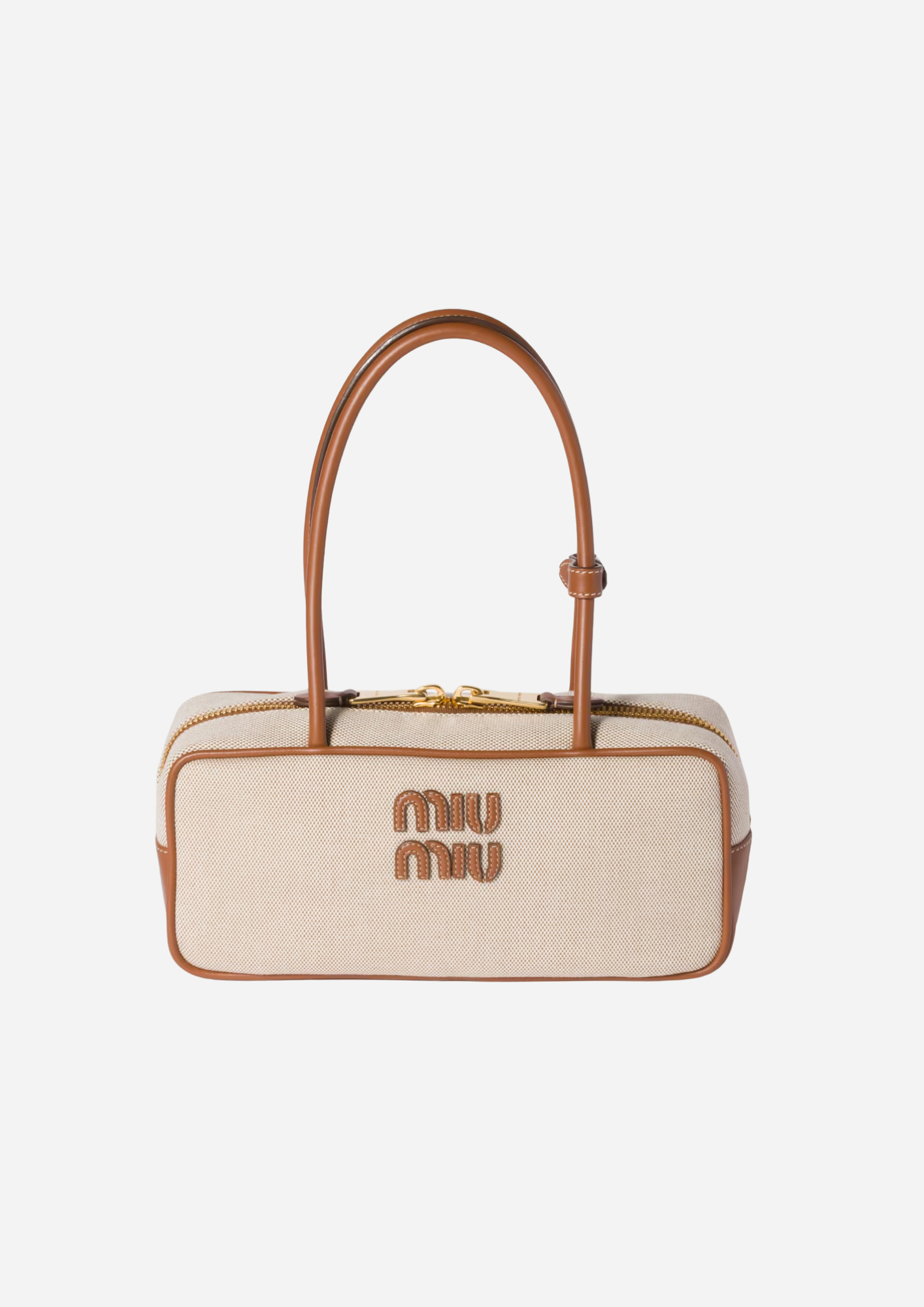
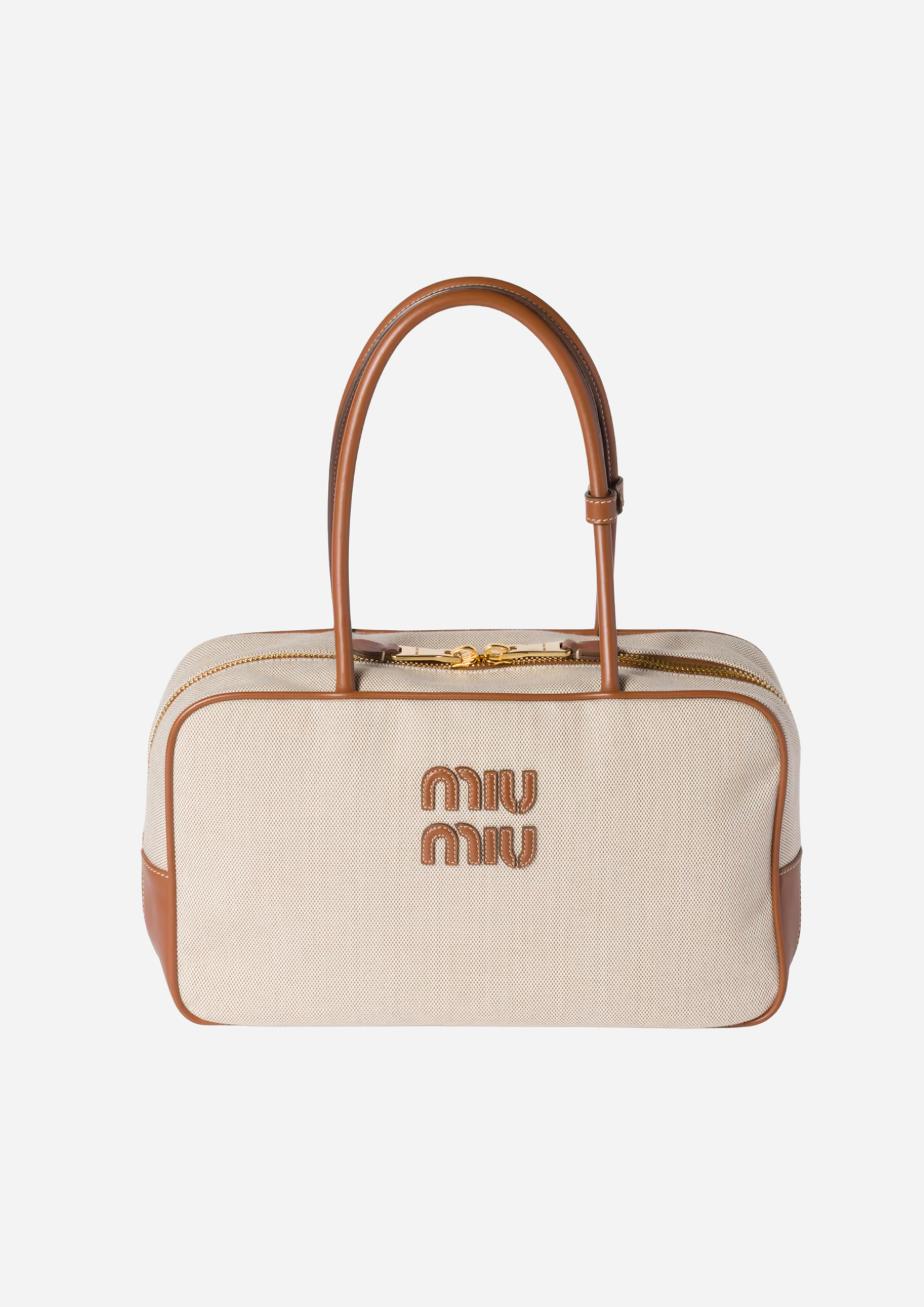
Miu Miu interprets the top-handle bag through softer constructions. Arcadie often uses matelassé nappa leather, creating a three-dimensional surface that makes the bag feel less rigid while preserving a defined shape. Beau develops a wider, more linear volume, particularly in leather or canvas versions.
Among Miu Miu bags, Arcadie and Beau therefore represent two different ways of creating capacity: the former through a compact, worked construction, the latter through a more elongated shape.
The Row Soft Margaux 10 takes this idea even further. The structure remains extremely clean, but fine-grained calfskin and a soft construction avoid the rigidity of a traditional top-handle bag. This is a recurring characteristic of The Row bags, where materials and proportions often matter more than logos or decorative details.
Chiquito and Hourglass: when shape becomes recognisable
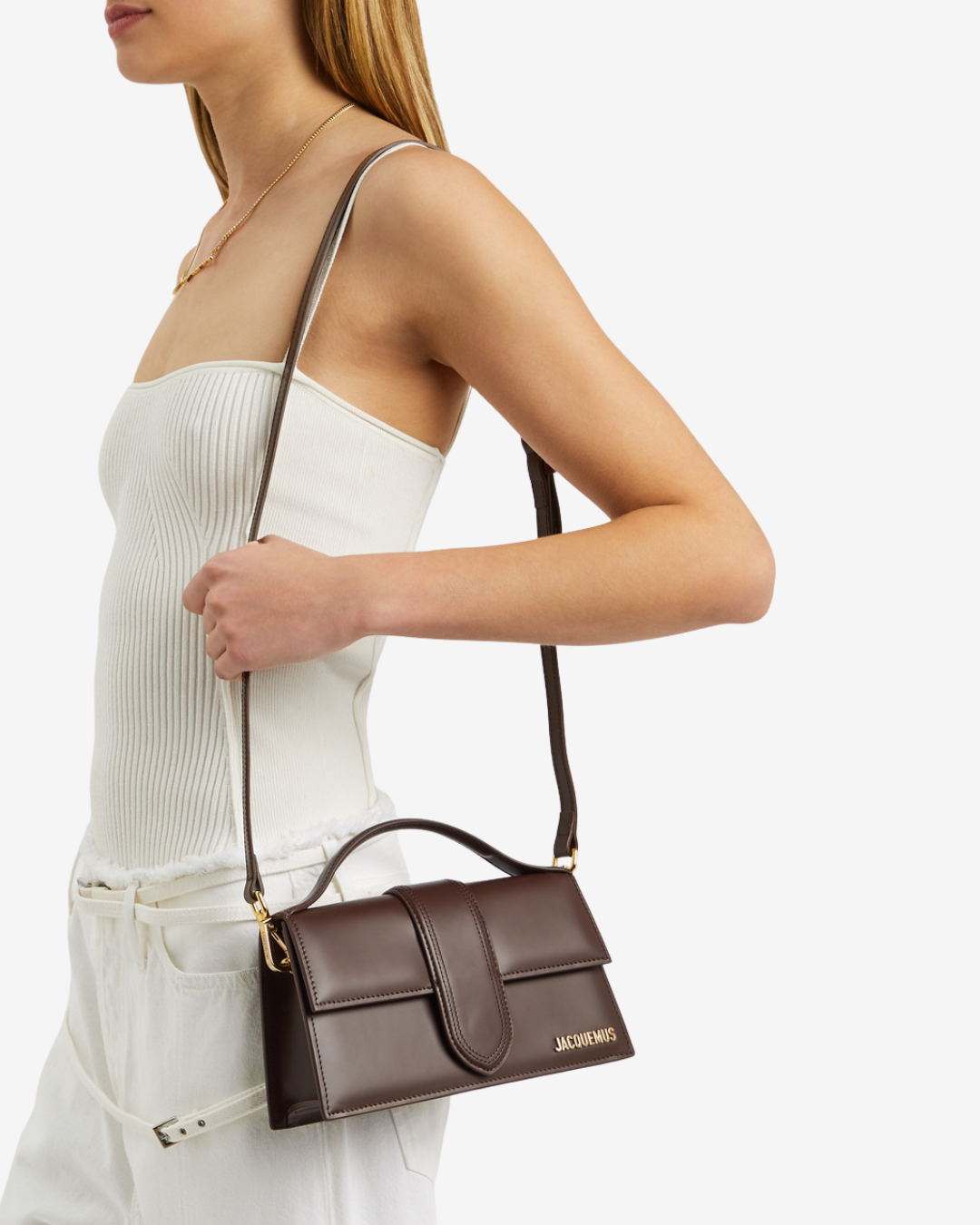
Jacquemus uses the top handle almost as a graphic element. Chiquito Moyen, Long and Grand Chiquito change in size and proportion, yet the relationship between the body of the bag and its small arched handle remains instantly recognisable. Among Jacquemus bags, the Chiquito represents the more sculptural side of the collection, very different from the horizontal silhouettes of the Bambino family.
Balenciaga Hourglass starts from the curve. Its arched base alters the classic rectangular construction of a top-handle bag and creates a recognisable silhouette even without particularly bold details. Croc-effect leather versions emphasise this geometry even further; among Balenciaga bags, it is one of the models whose identity is most strongly defined by structure.
Mini, medium or large: choose according to use
The size of a top-handle bag should not be judged by centimetres alone. A rigid Mini can offer less usable space than a slightly smaller but softer bag; similarly, a highly structured Large keeps a precise footprint even when it carries only a few items.
For everyday use, medium and large formats make better use of the nature of a top-handle bag, especially when you need room for a wallet, smartphone, cases and other personal items. Smaller formats work best when the bag is primarily an element of the look.
If you are still deciding which construction suits you best, compare these silhouettes with the complete selection of women's luxury bags: a crossbody bag prioritises movement, a shoulder bag the relationship with the body, while a top-handle bag puts greater emphasis on shape, handles and structure.