
48 products
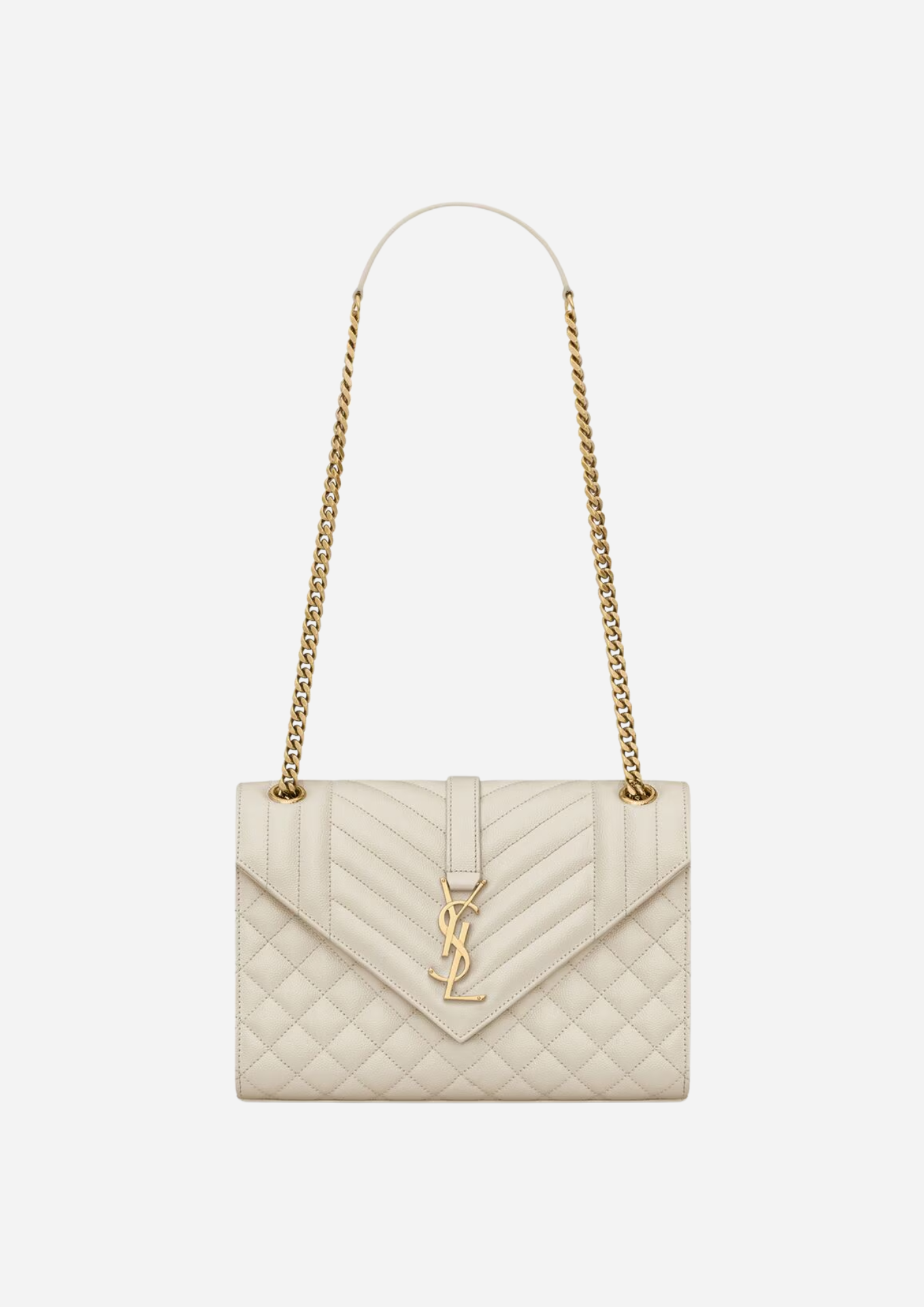
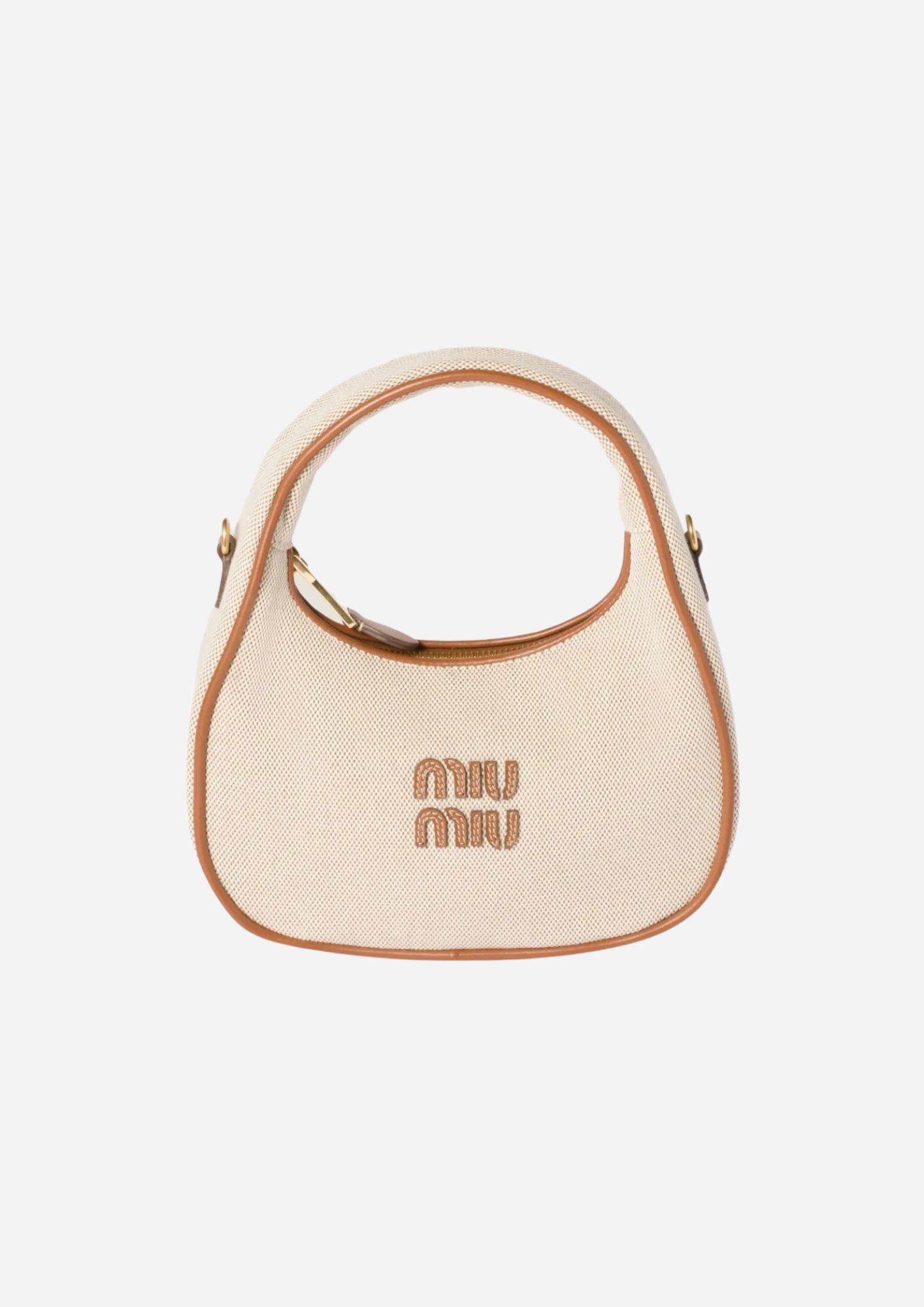
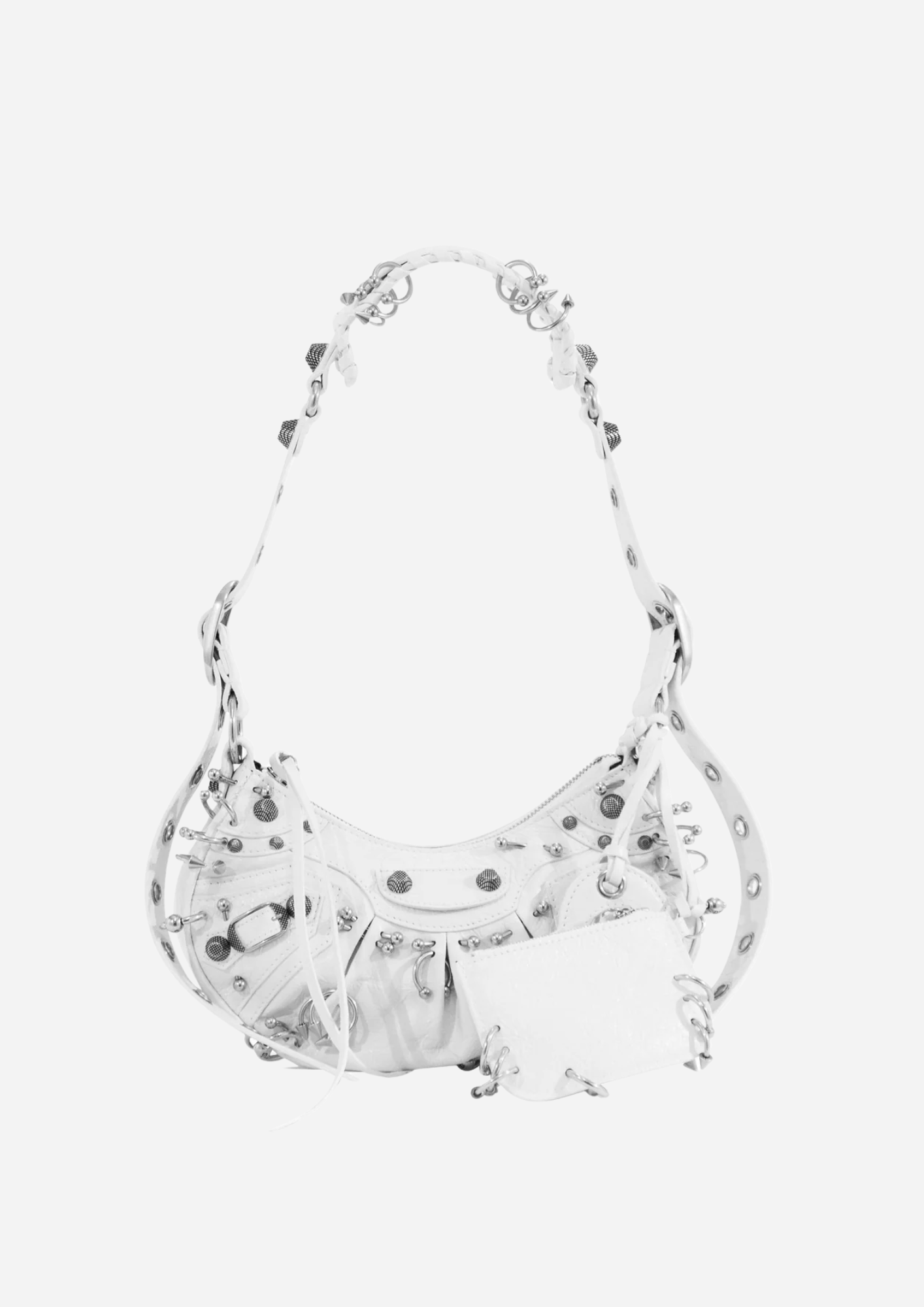
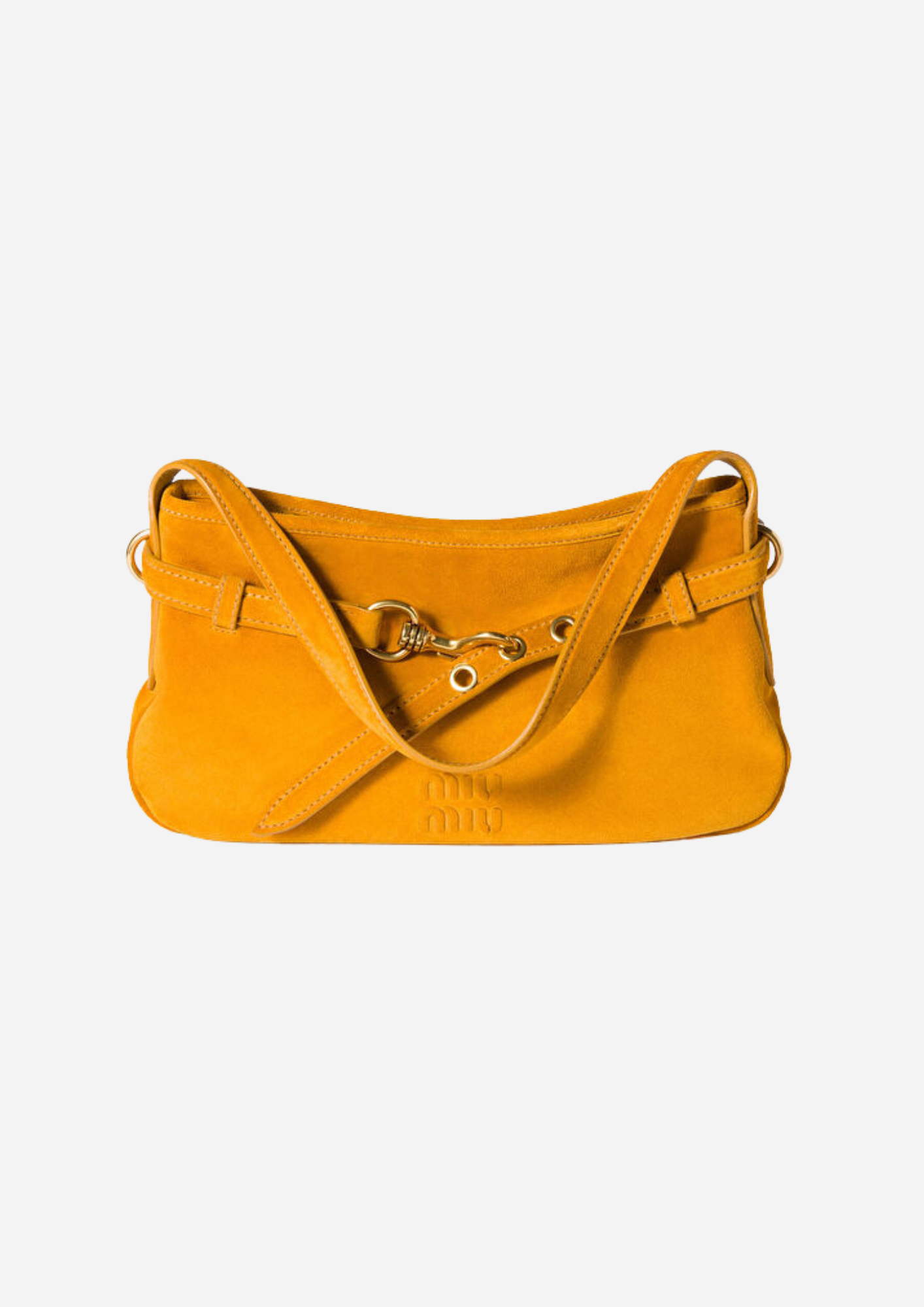
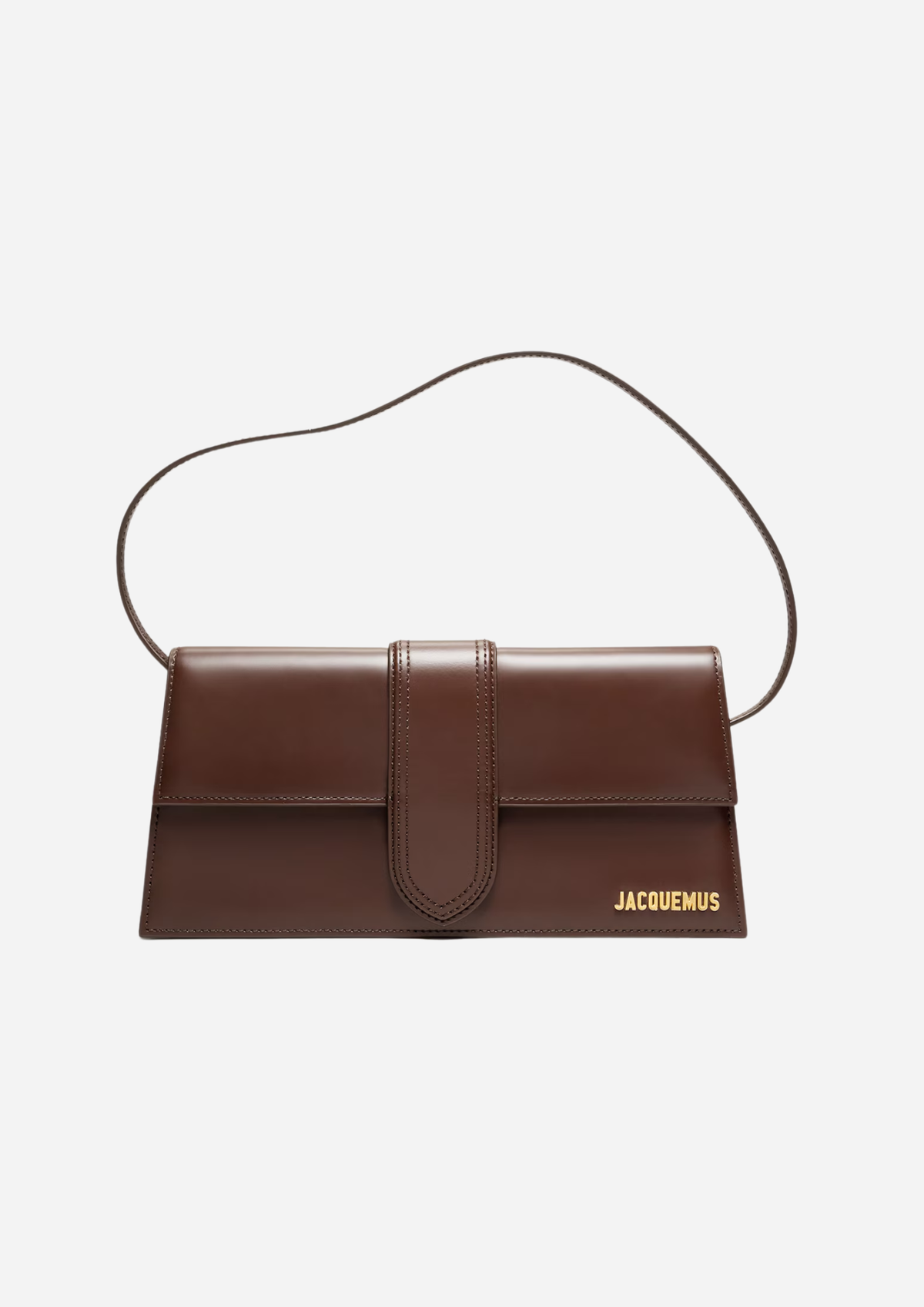
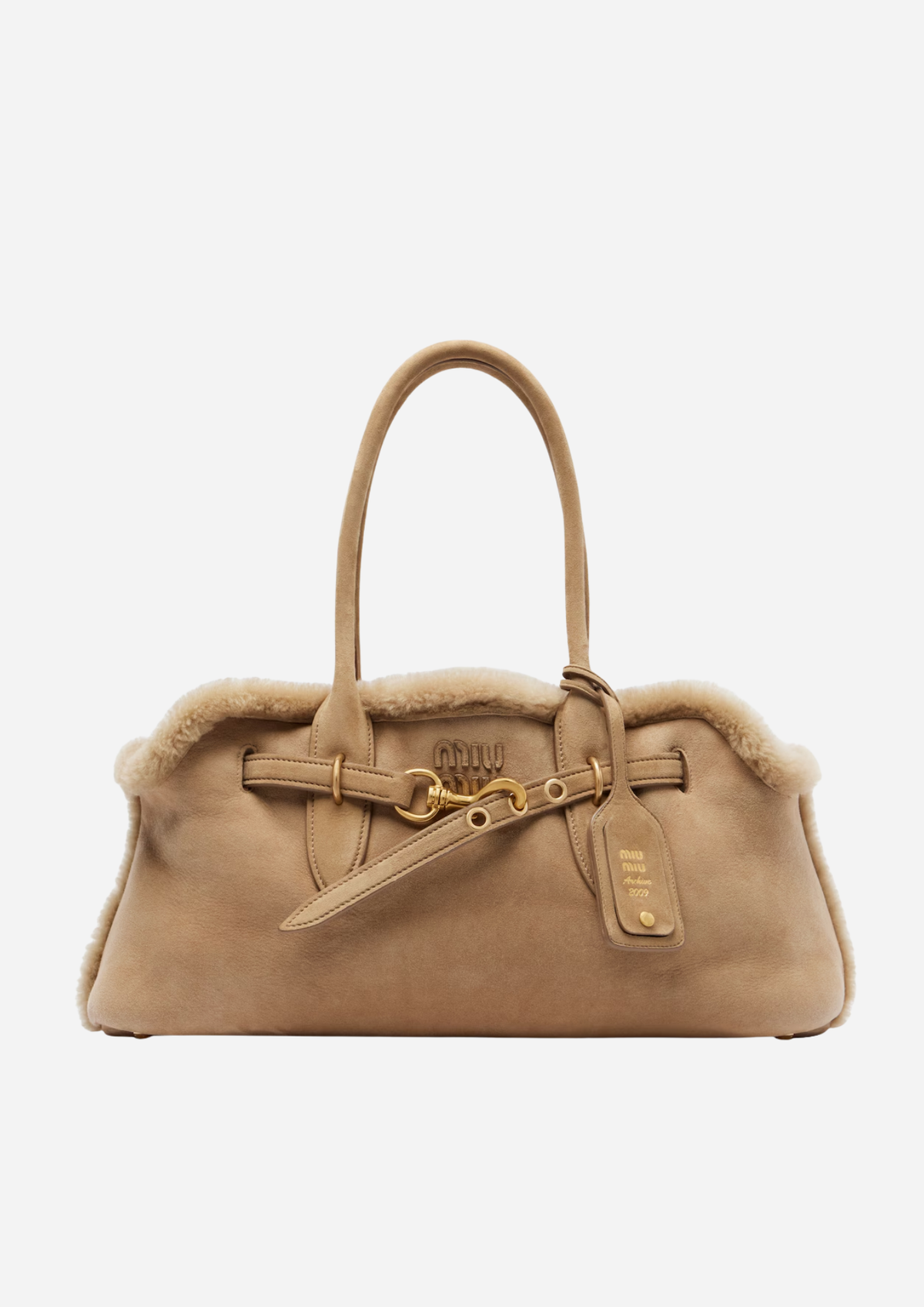
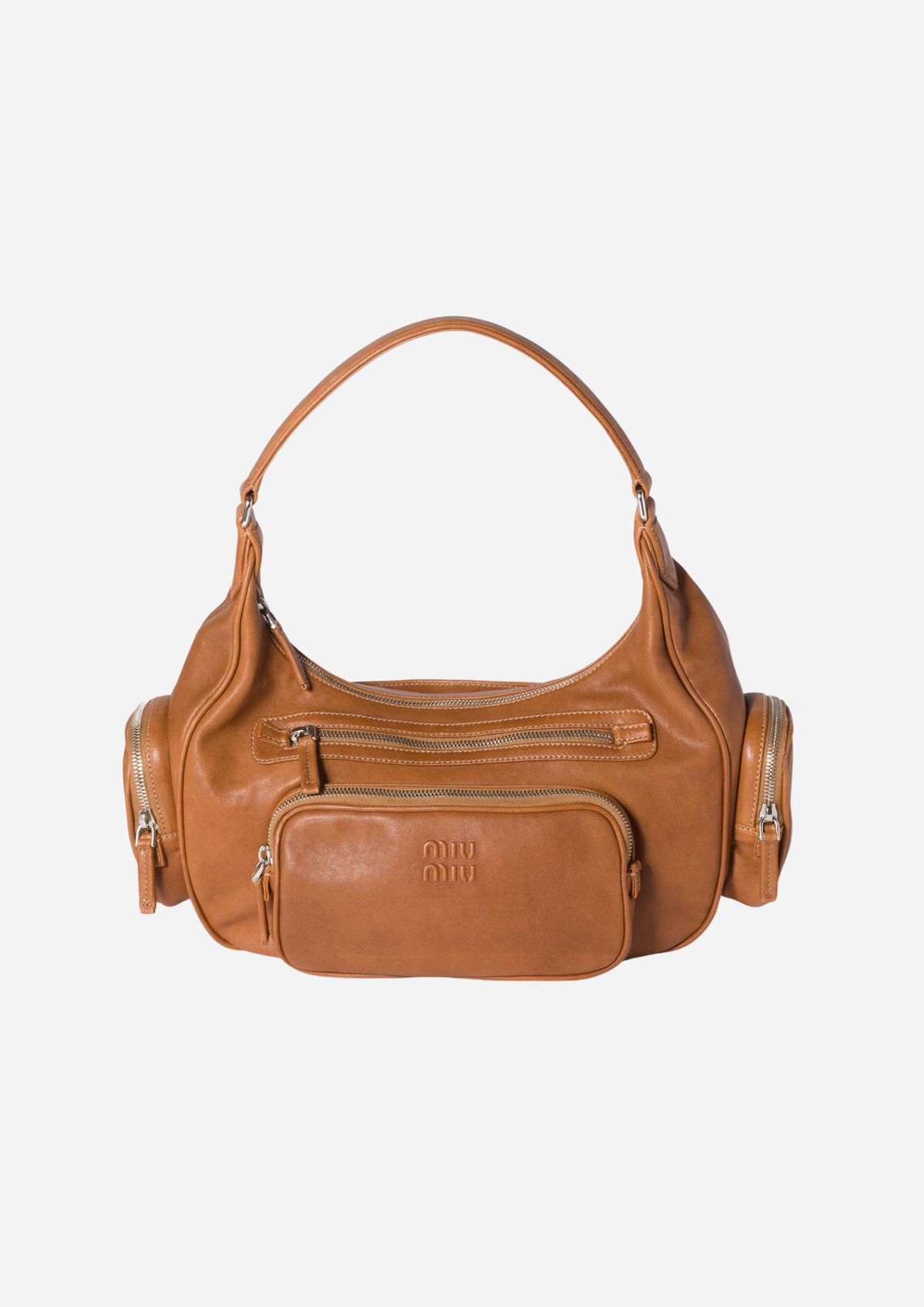
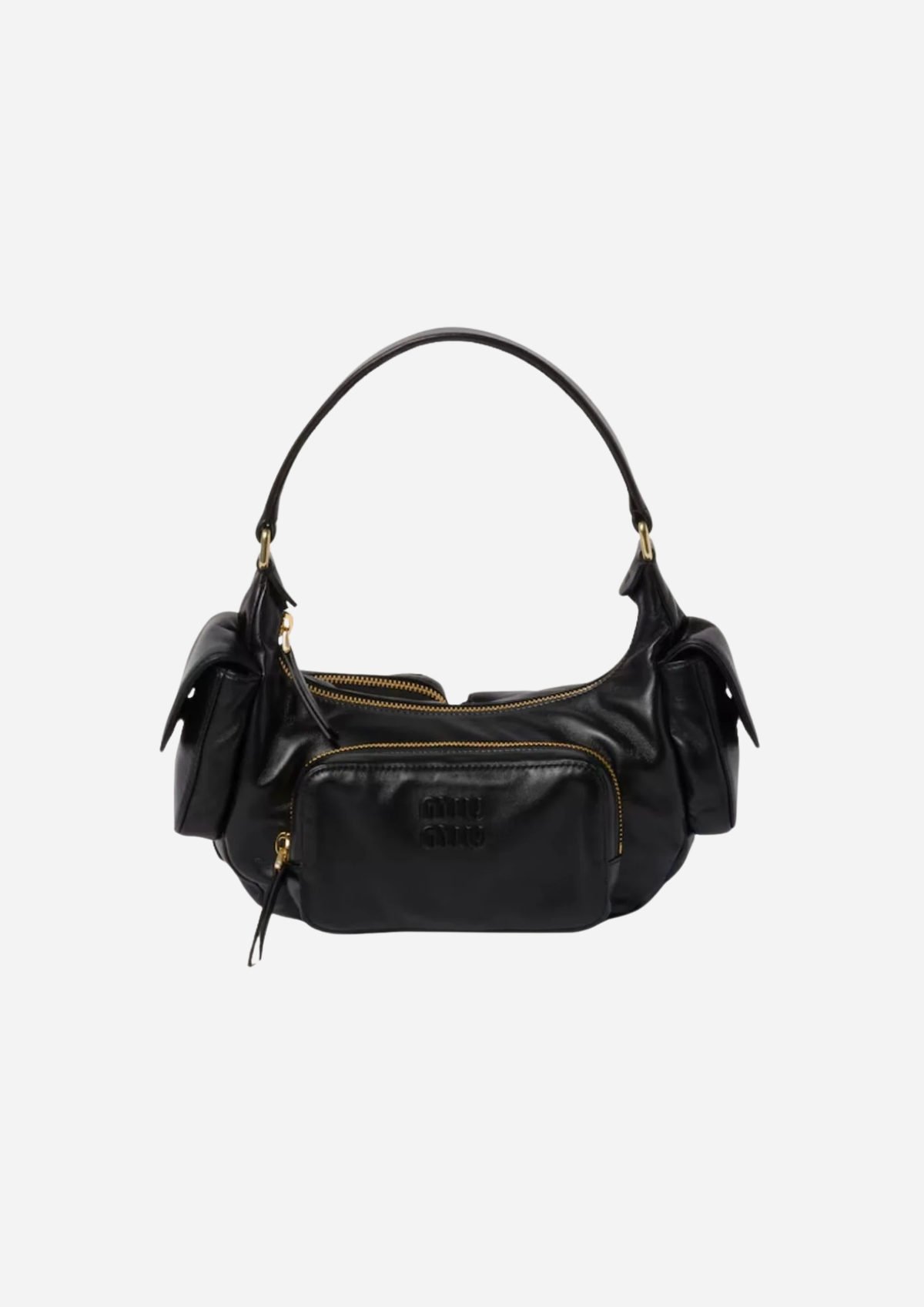
A silhouette built around the shoulder
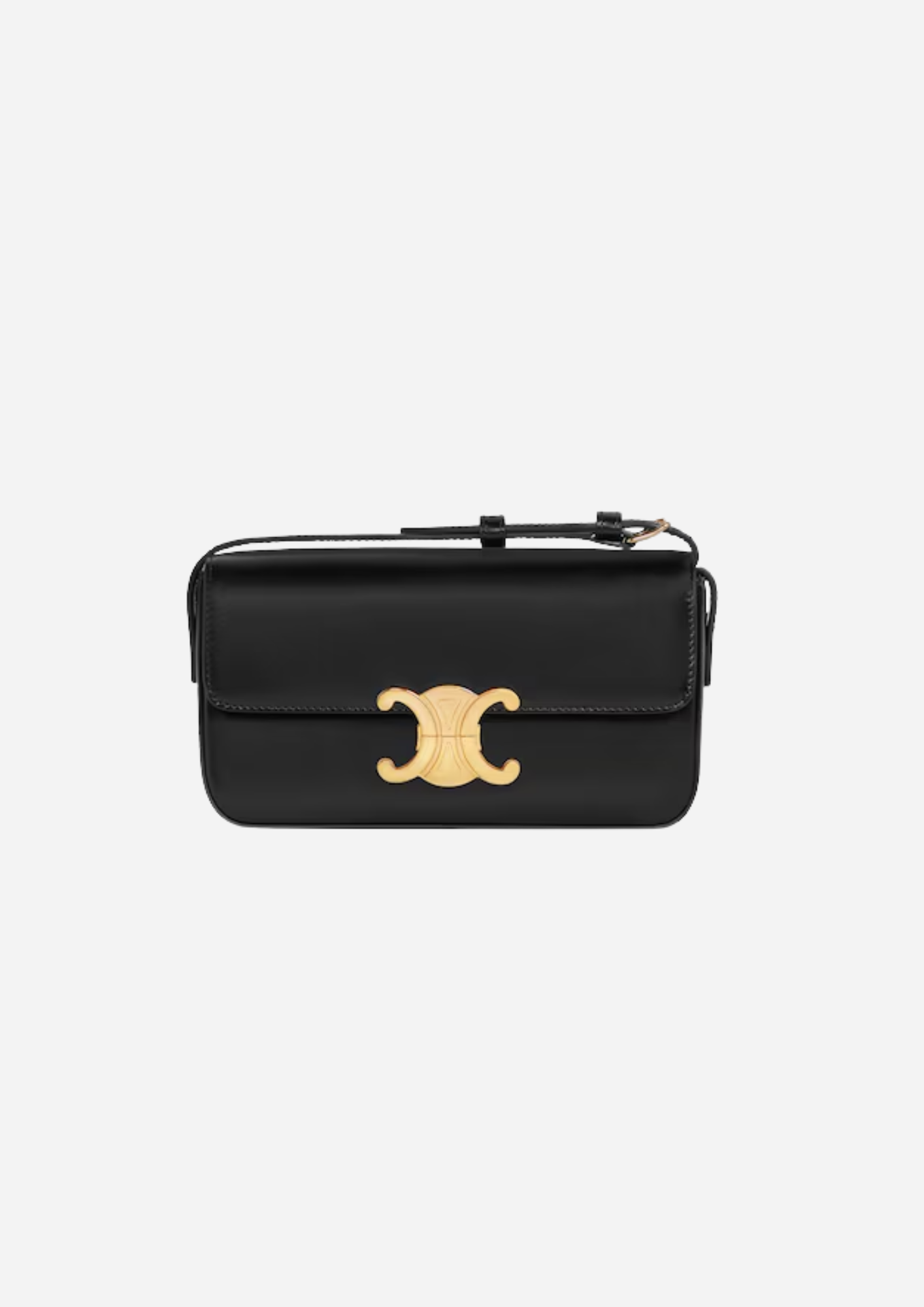
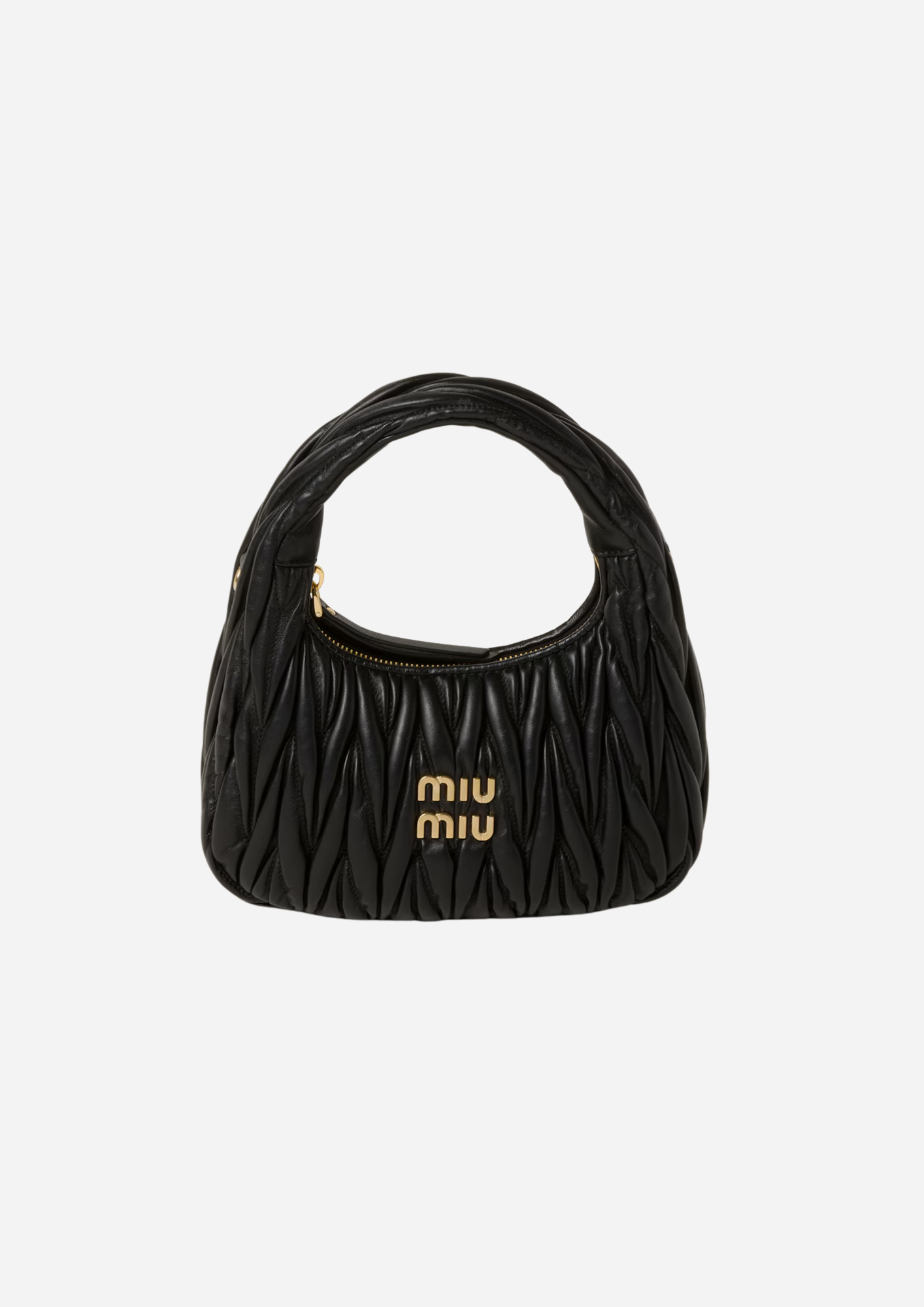
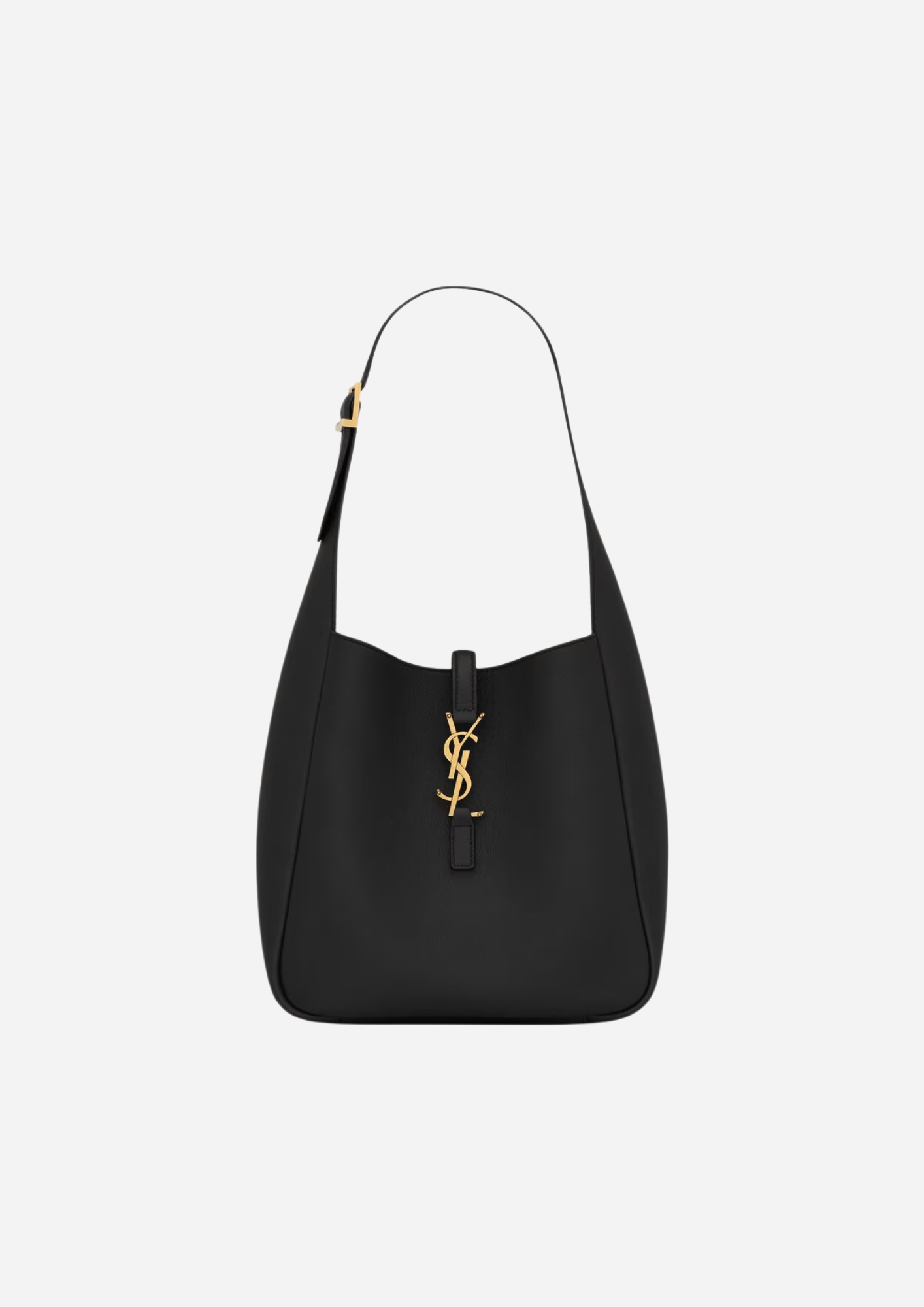
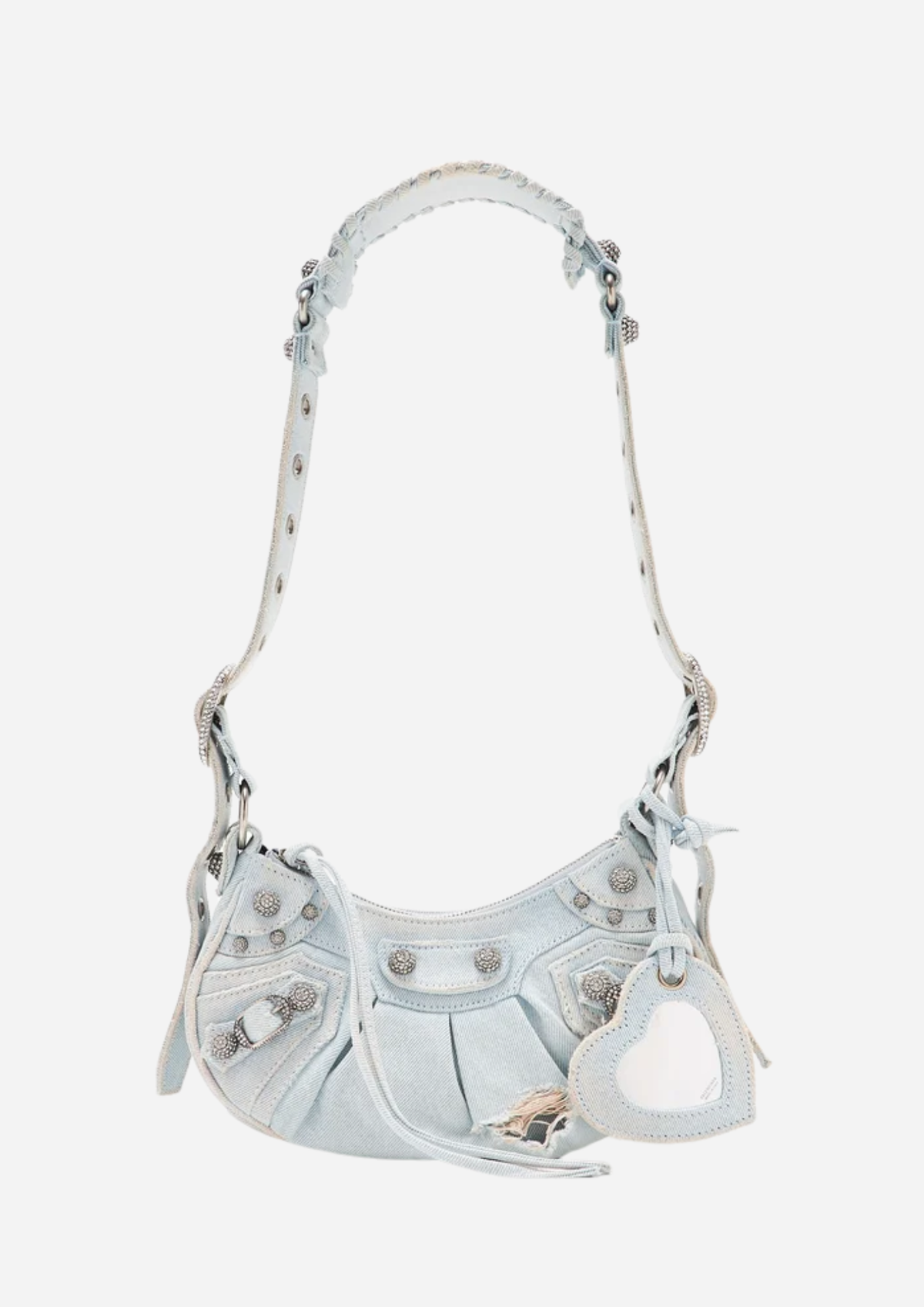
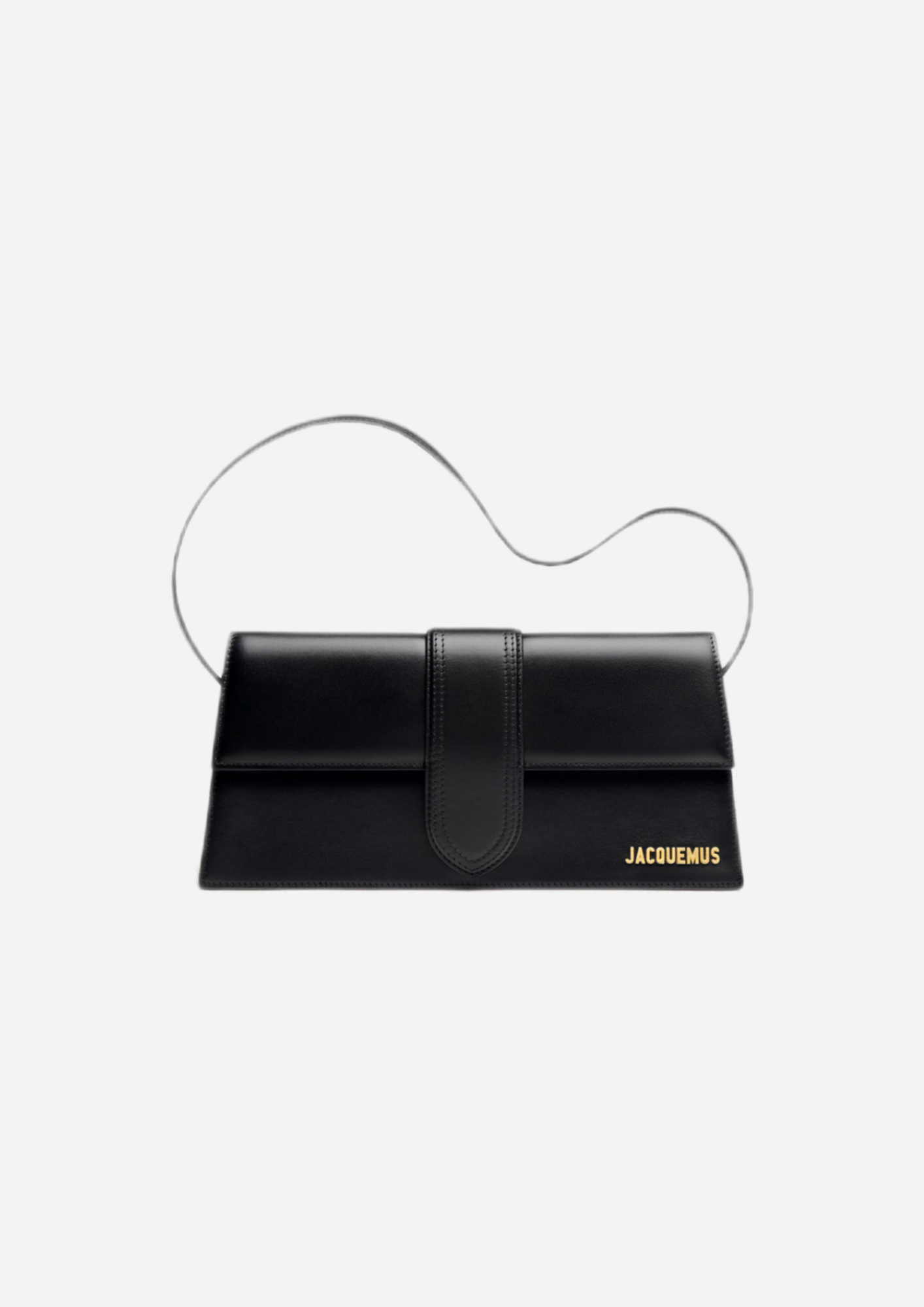
A shoulder bag has a particular relationship with proportion: it needs to sit close enough to the body to remain comfortable, while retaining a recognisable shape when worn. This is why apparently similar models can behave very differently. A soft hobo follows the line of the hip, a more structured baguette remains compact under the arm, while an elongated bag creates a horizontal line that becomes part of the look.
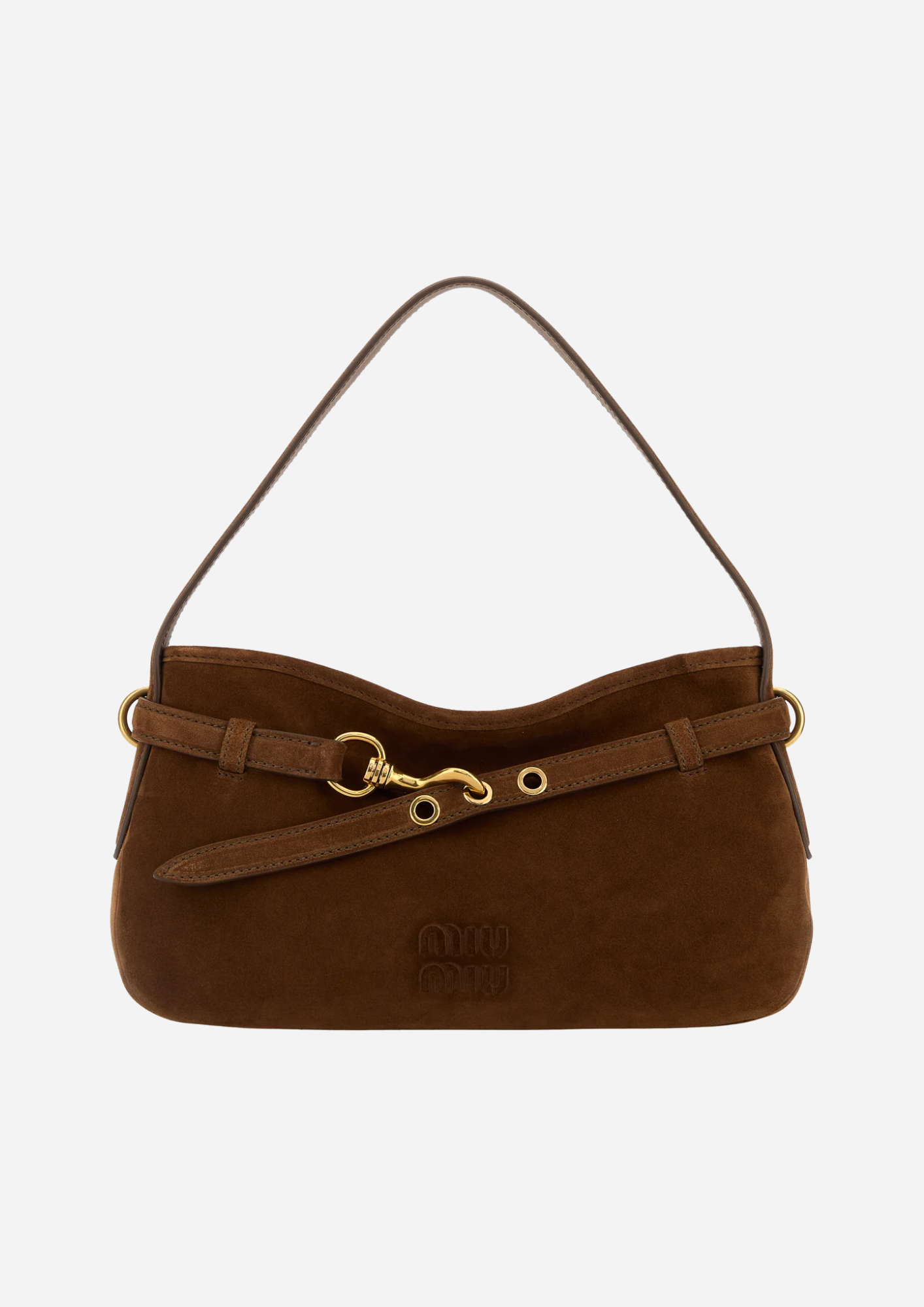
The selection of designer shoulder bags brings together these different interpretations, from Miu Miu's softness to Saint Laurent's essential lines and the constructions of Celine, Prada and Jacquemus.
Miu Miu: from the Wander curve to the Aventure line
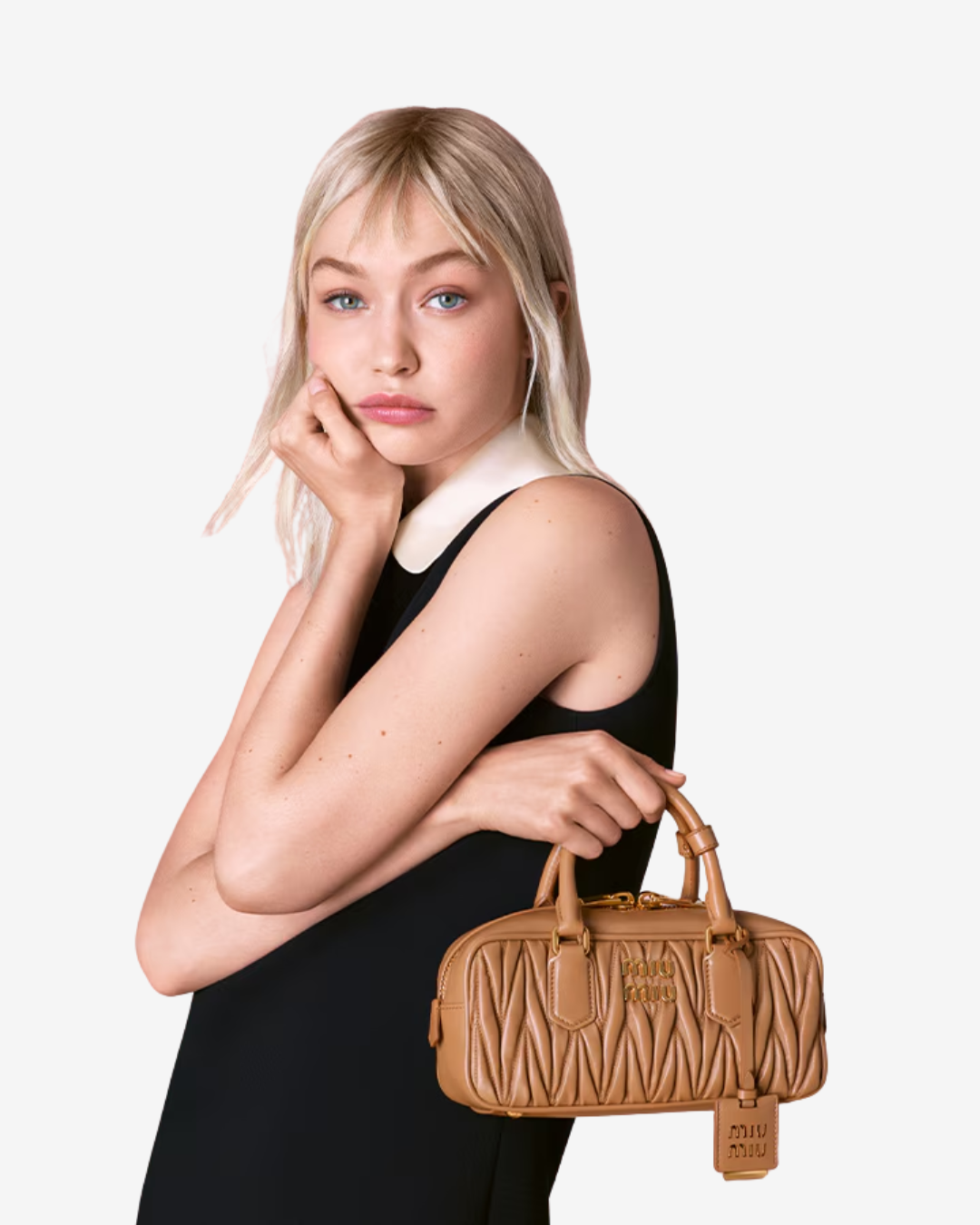
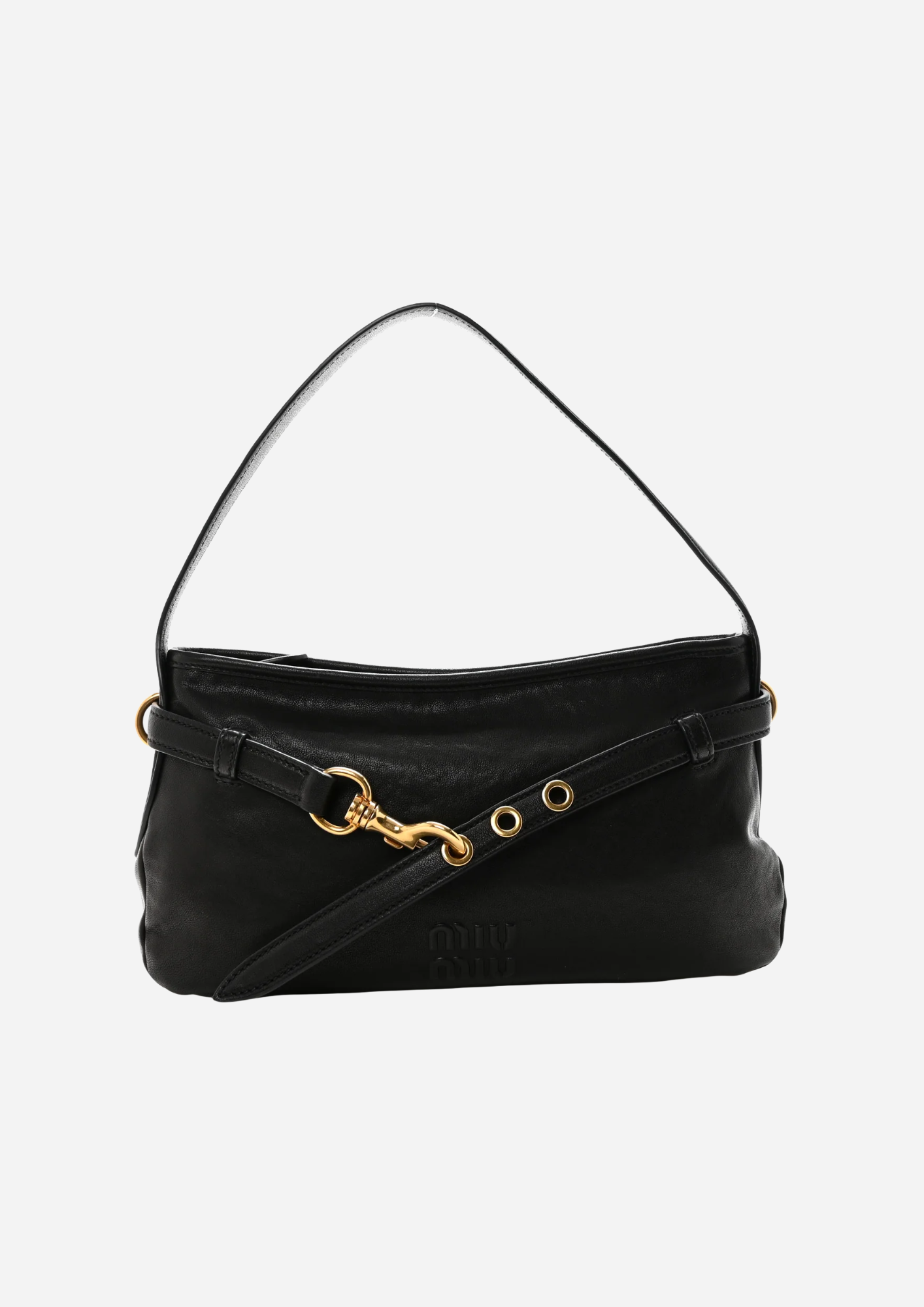
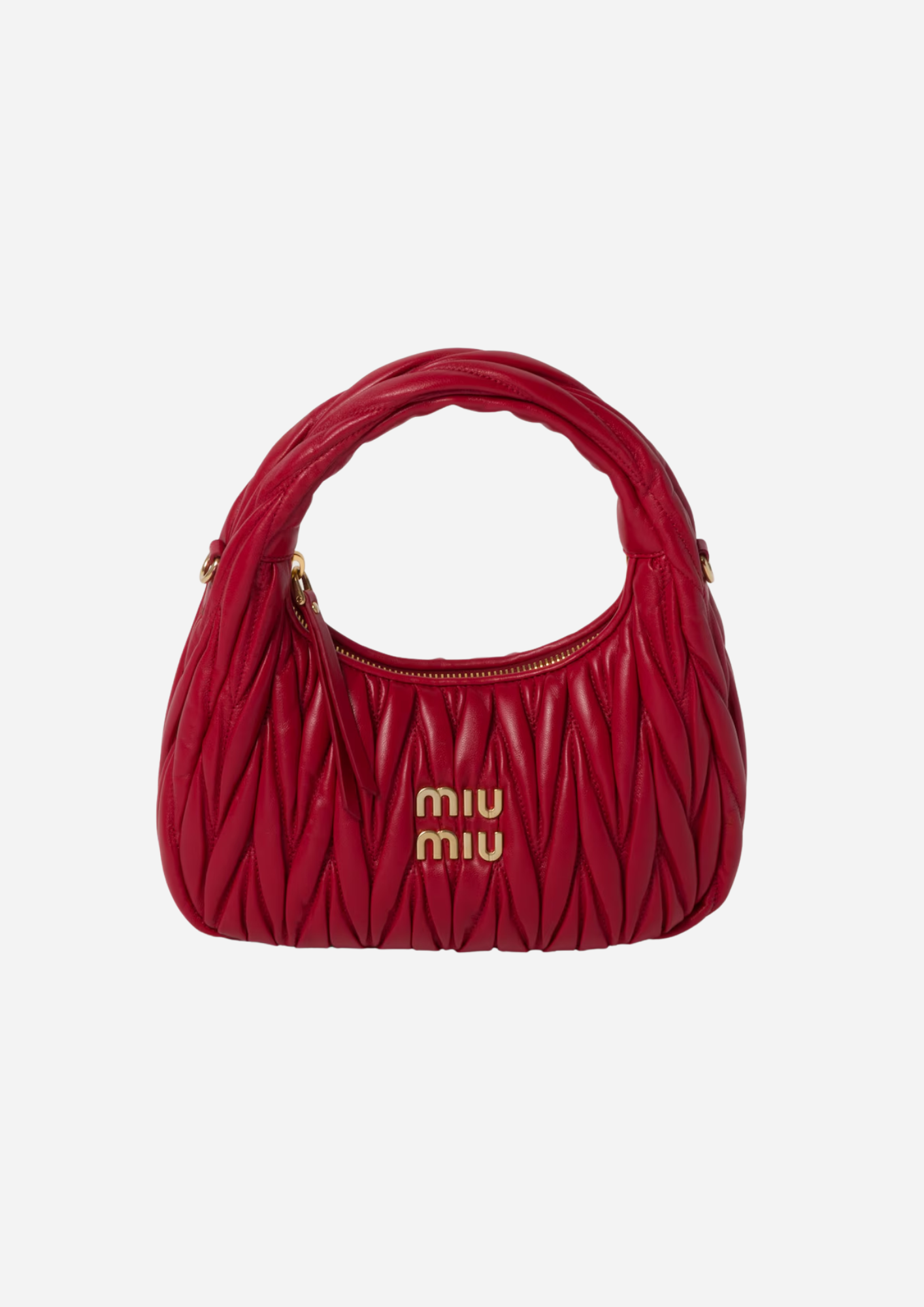
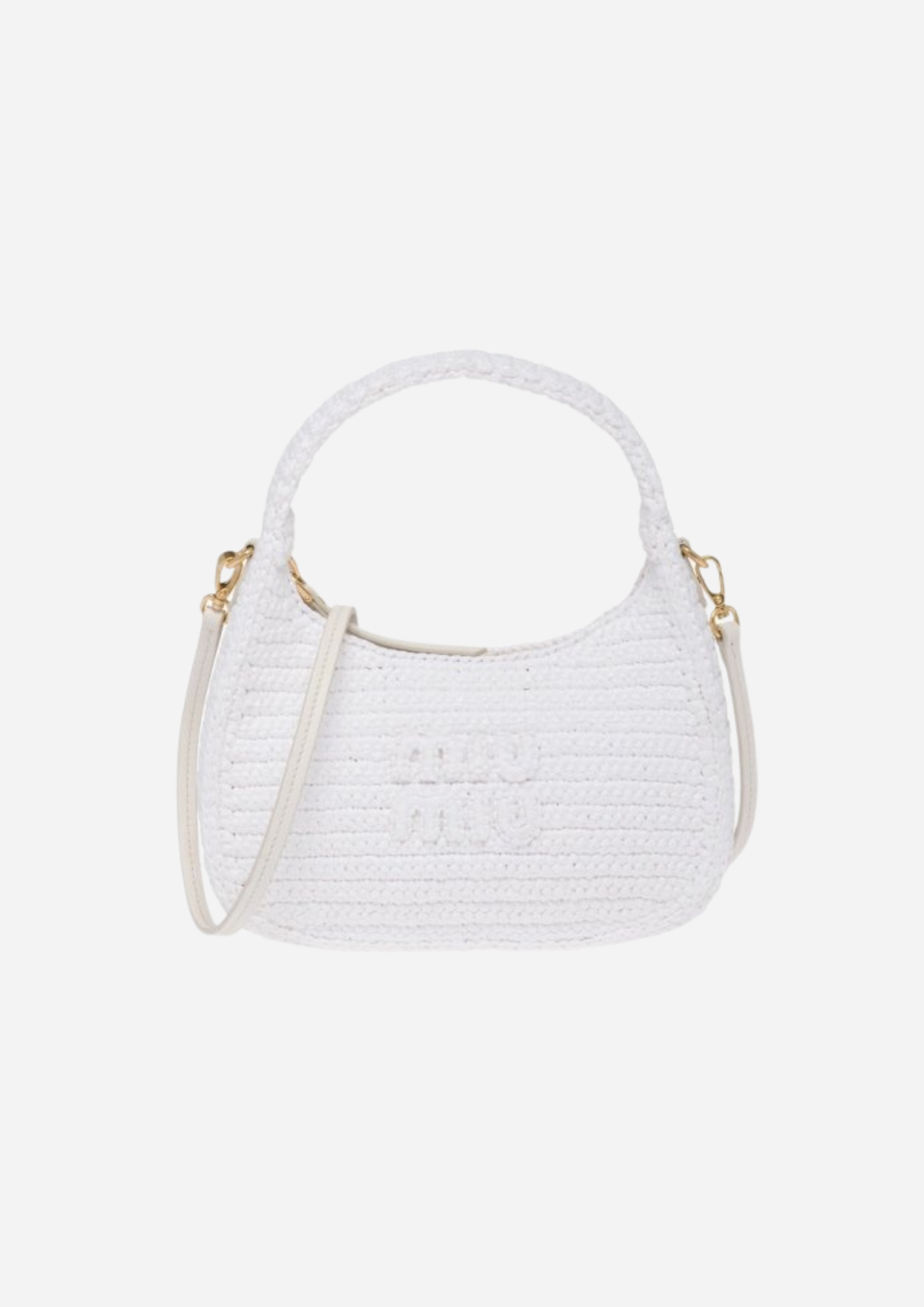
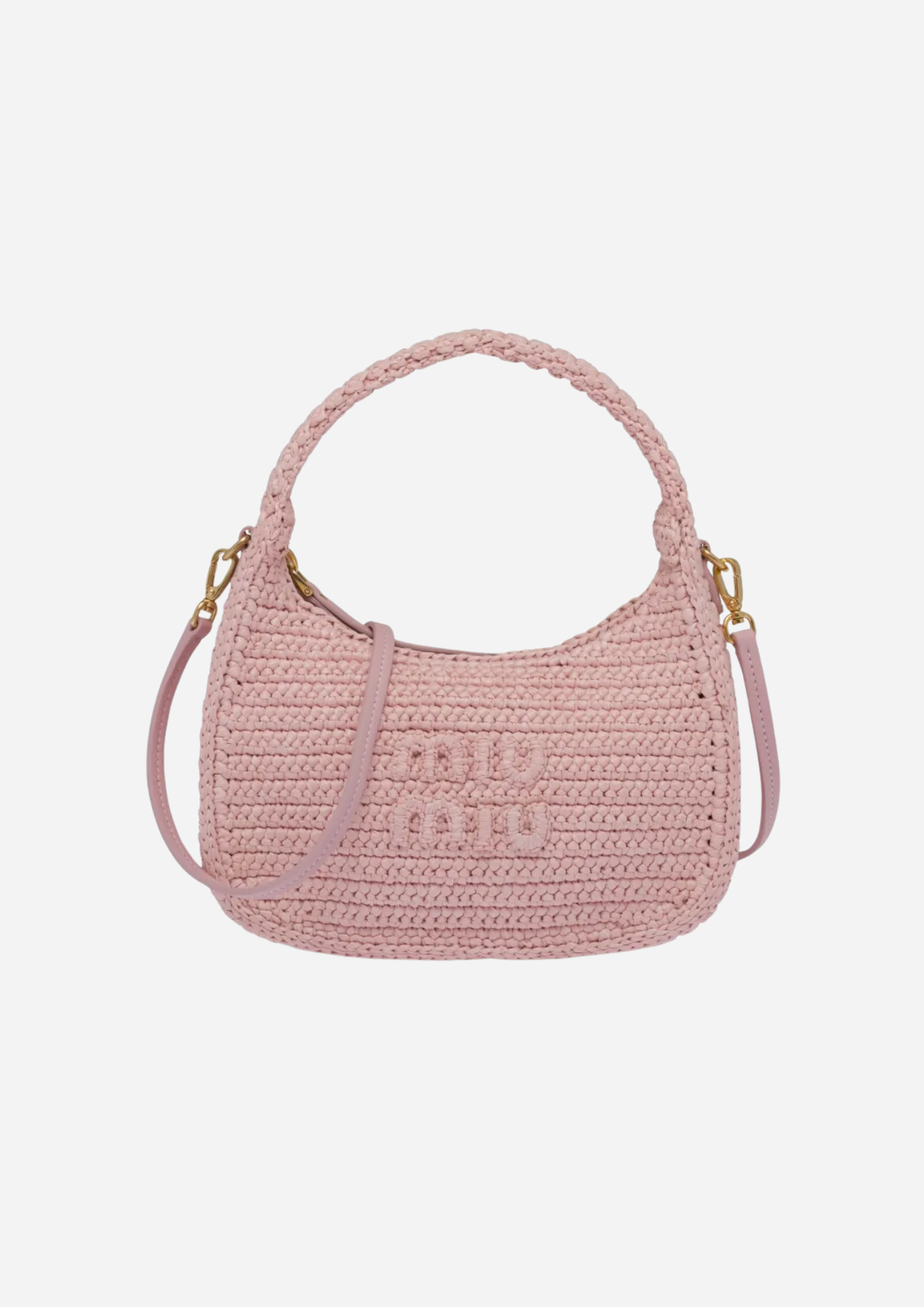
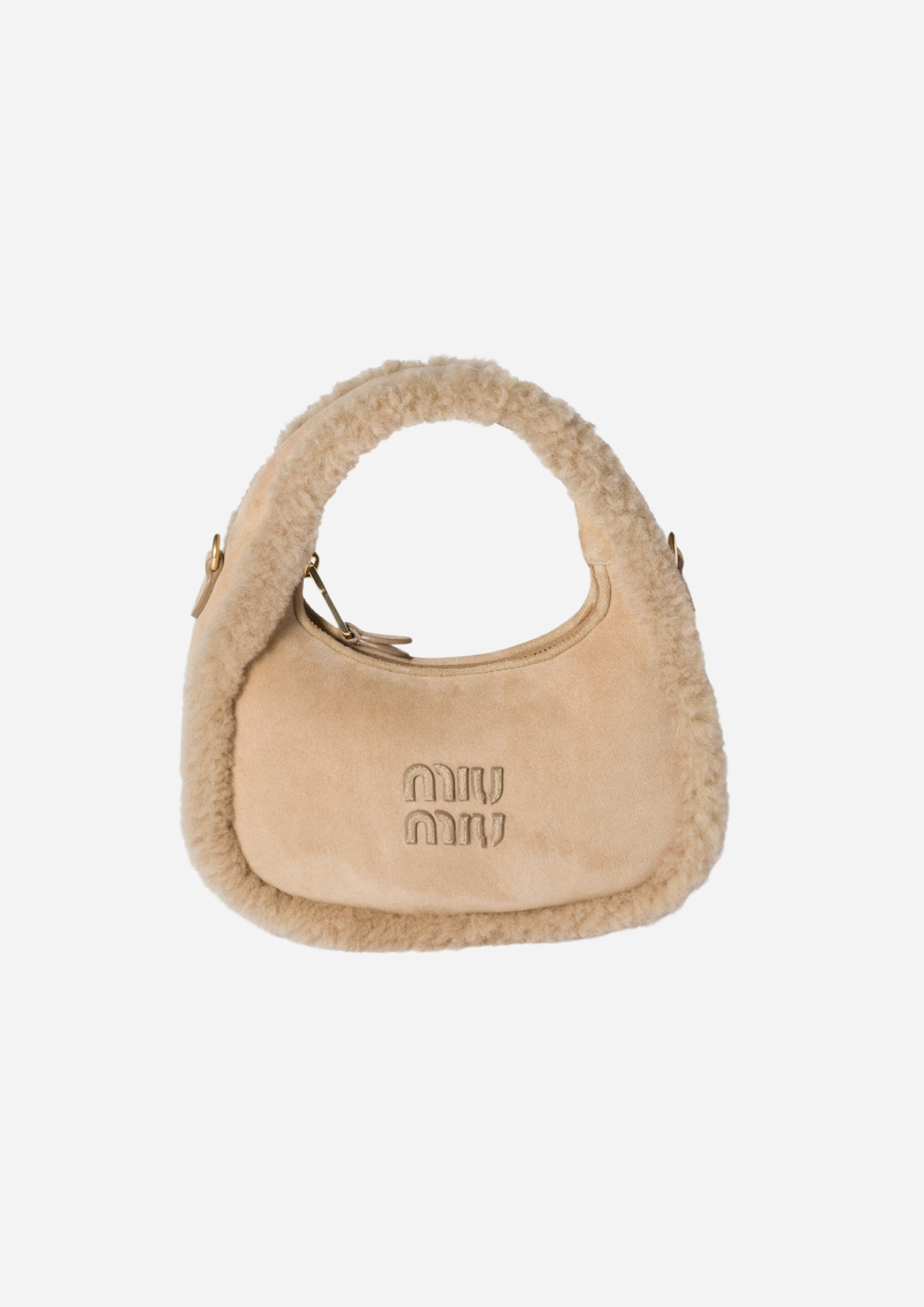
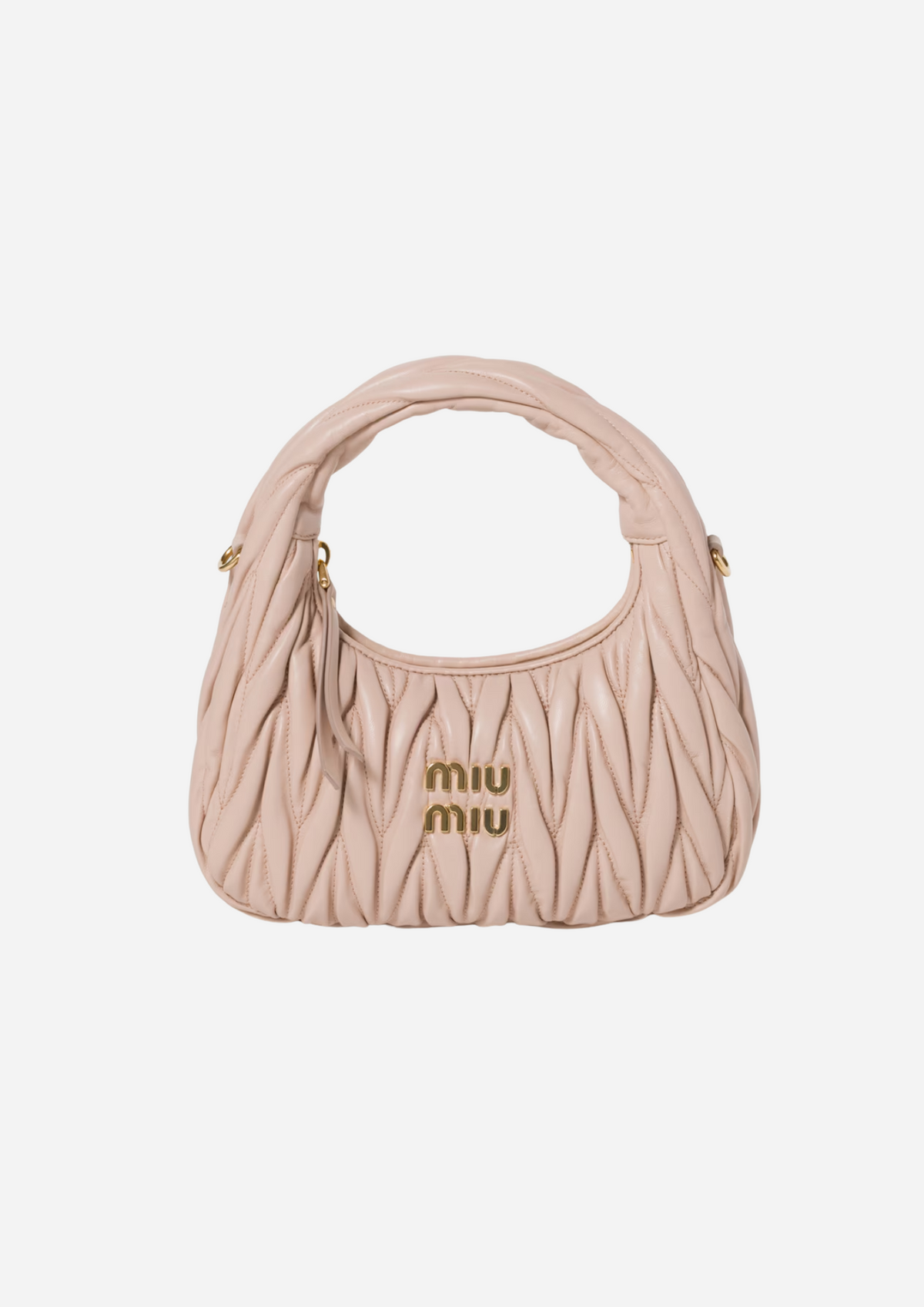
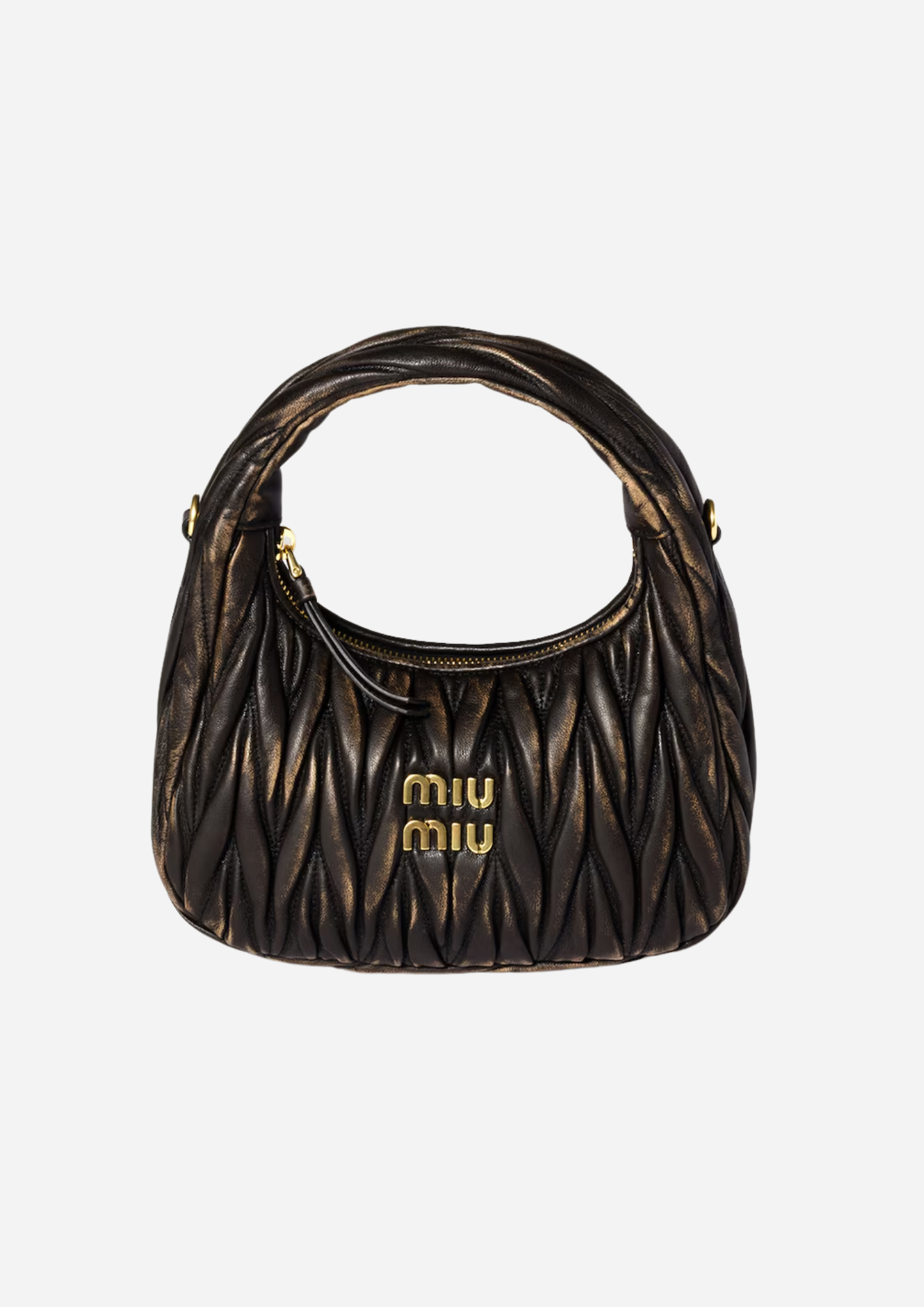
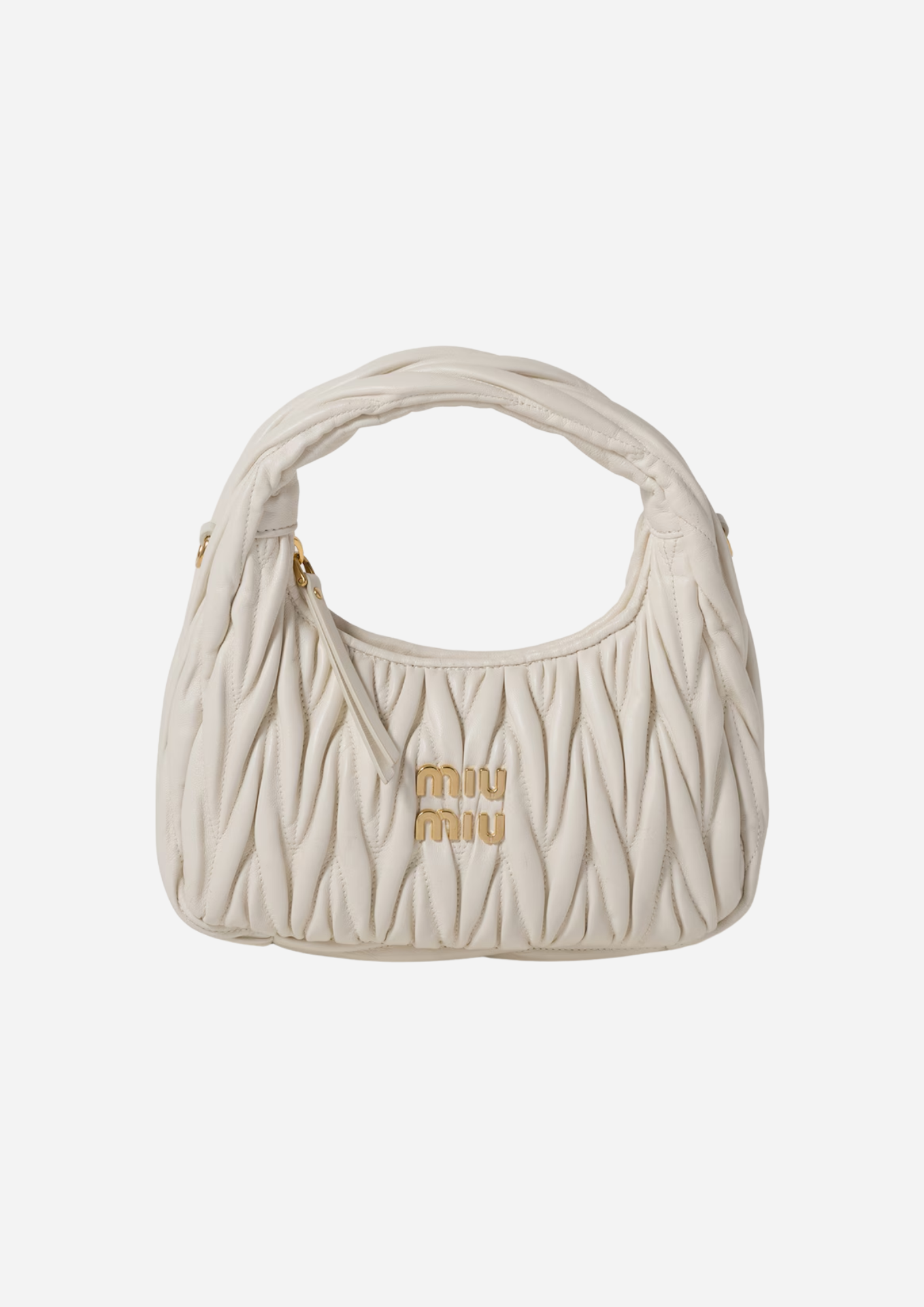
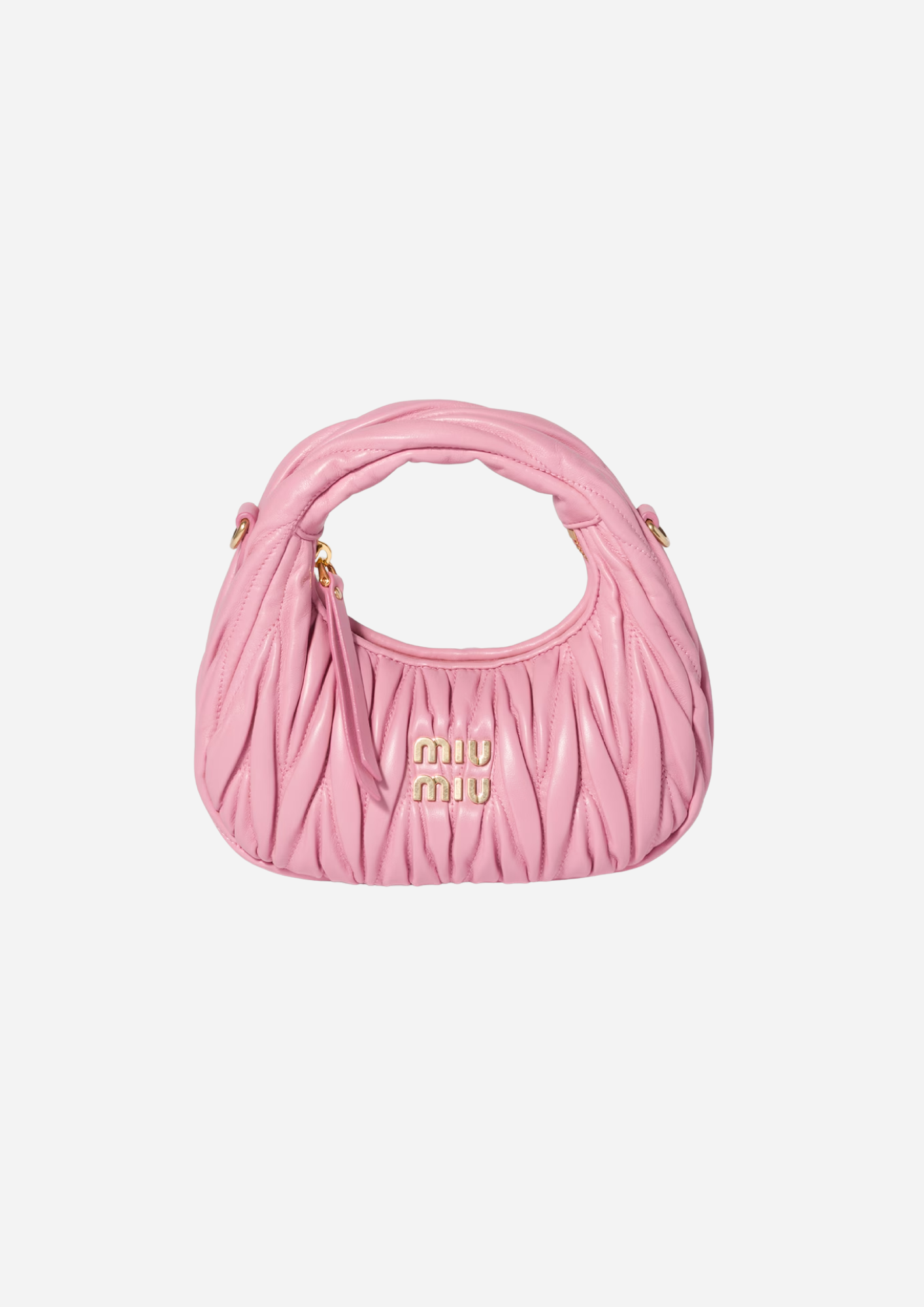
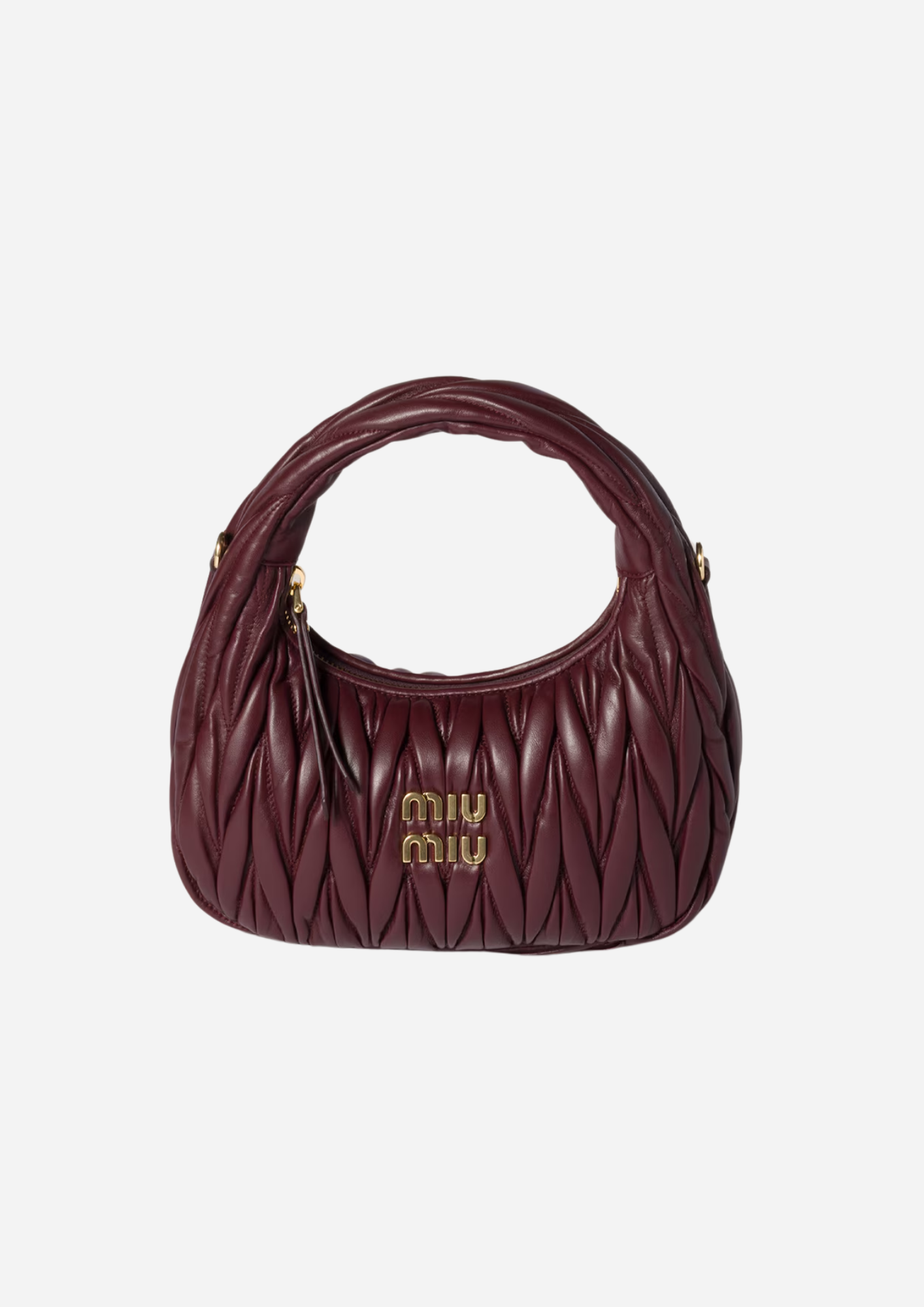
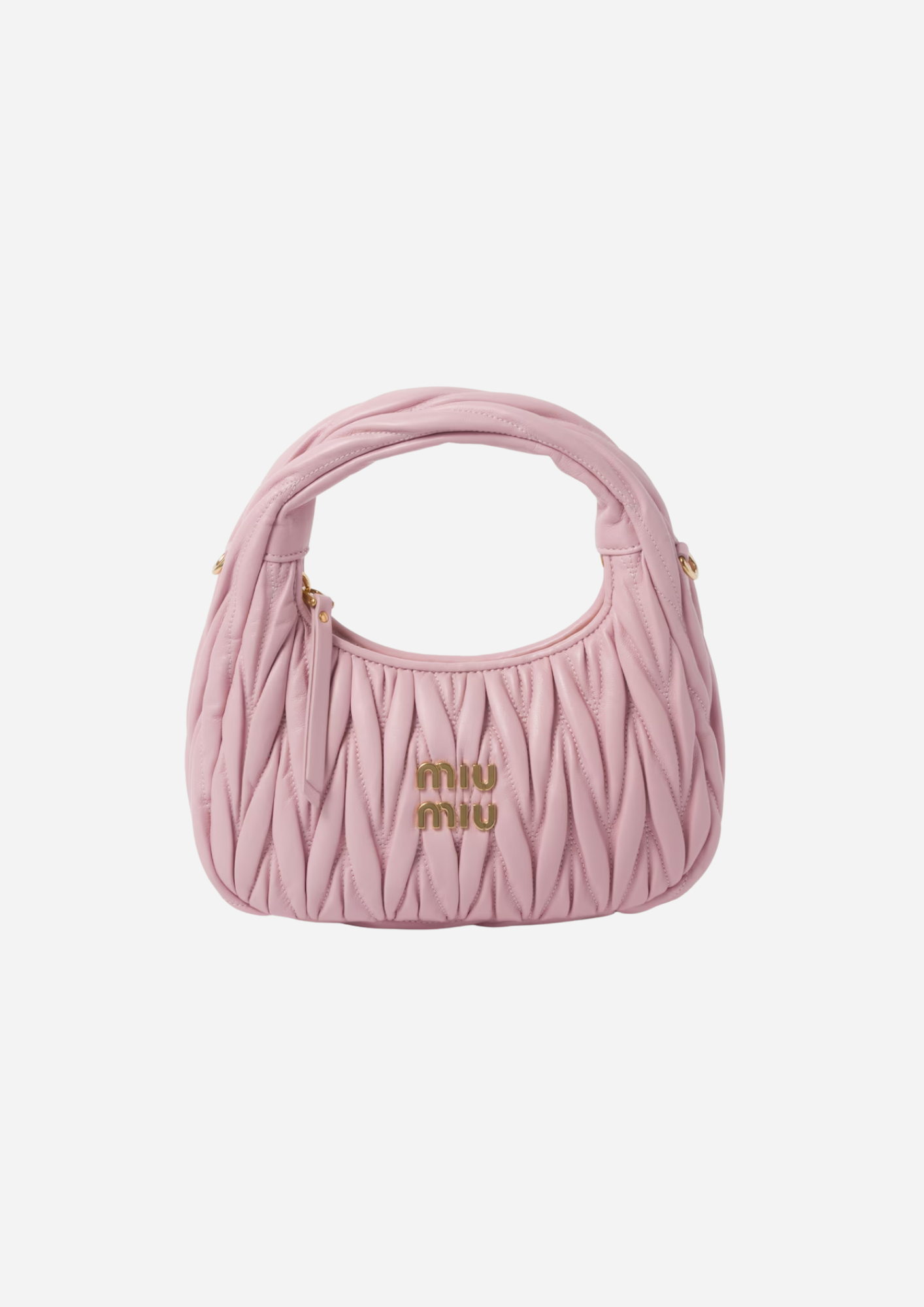
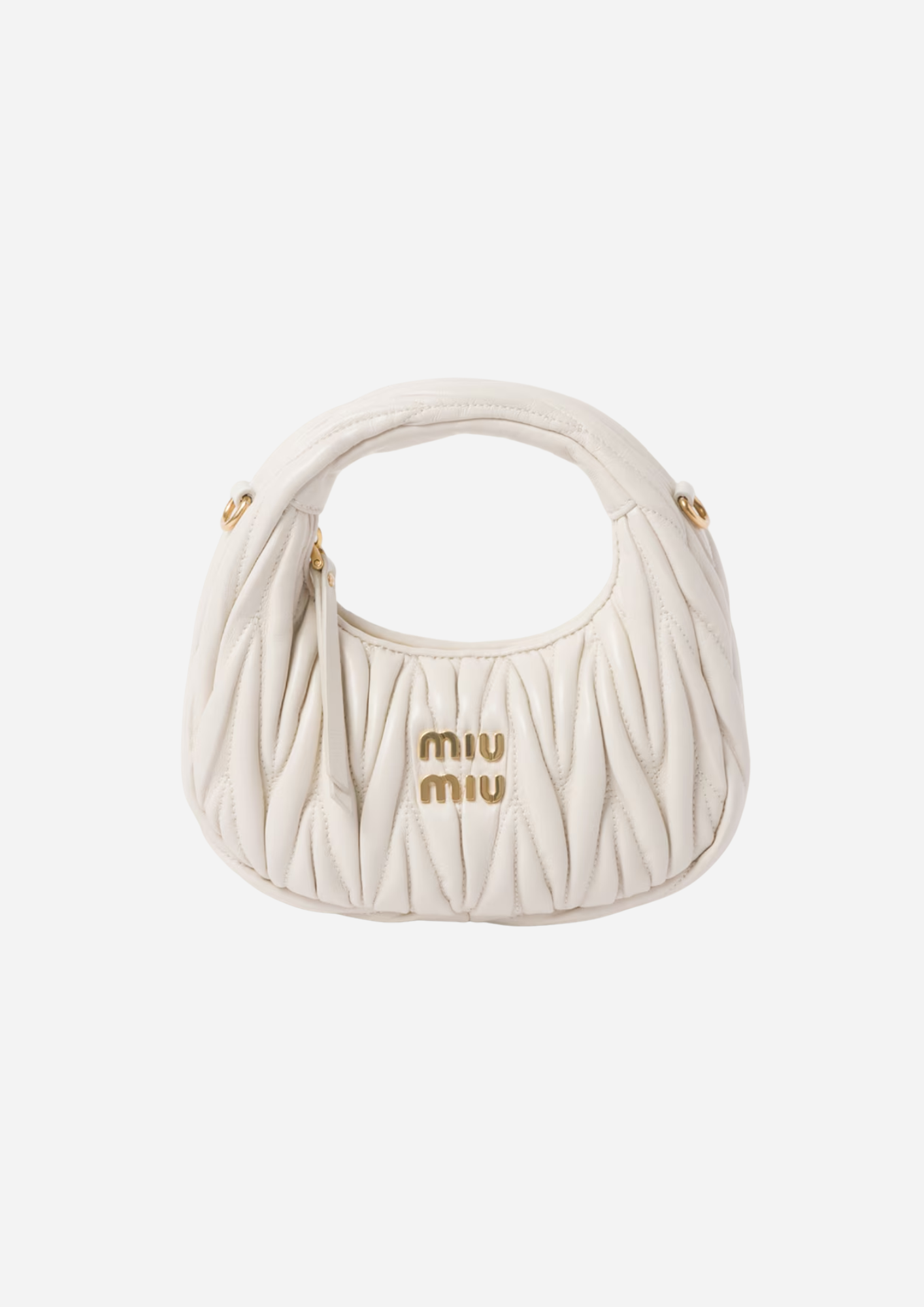
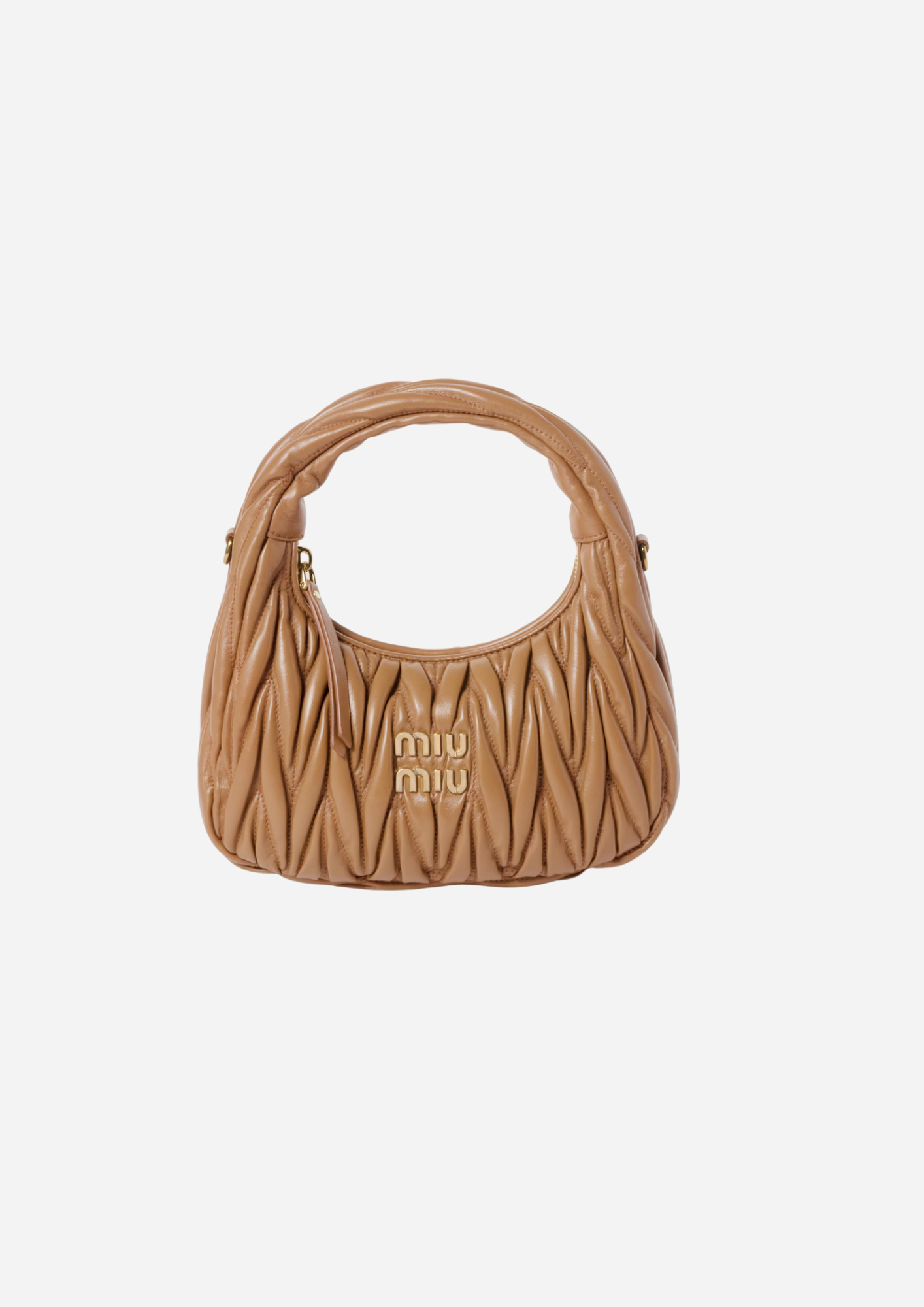
The Miu Miu Wander is one of the clearest examples of a bag built around a soft shape. Its hobo silhouette and matelassé nappa leather create volume without making the profile rigid, while canvas, crochet or shearling versions show how dramatically the same structure can change with the material.
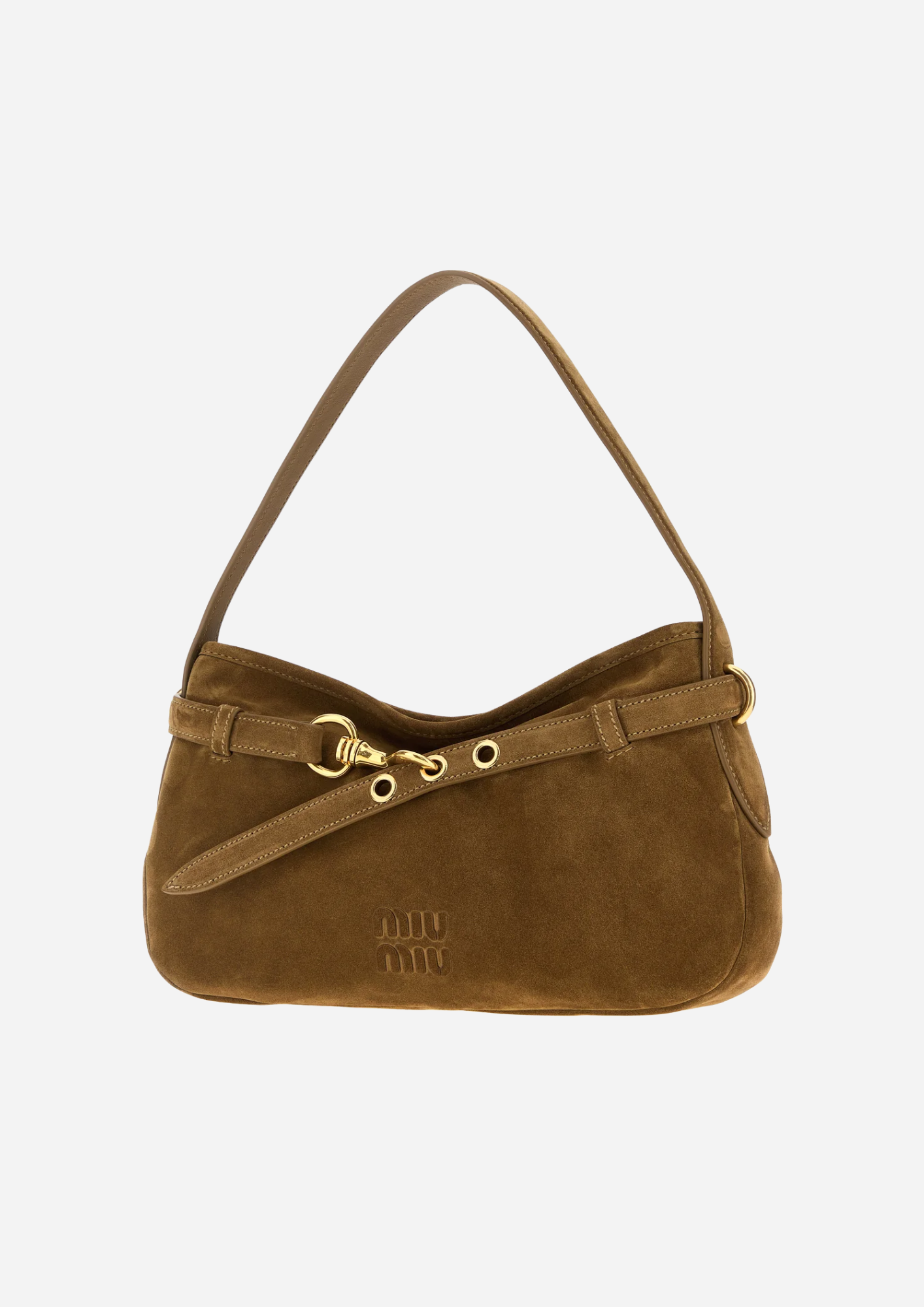
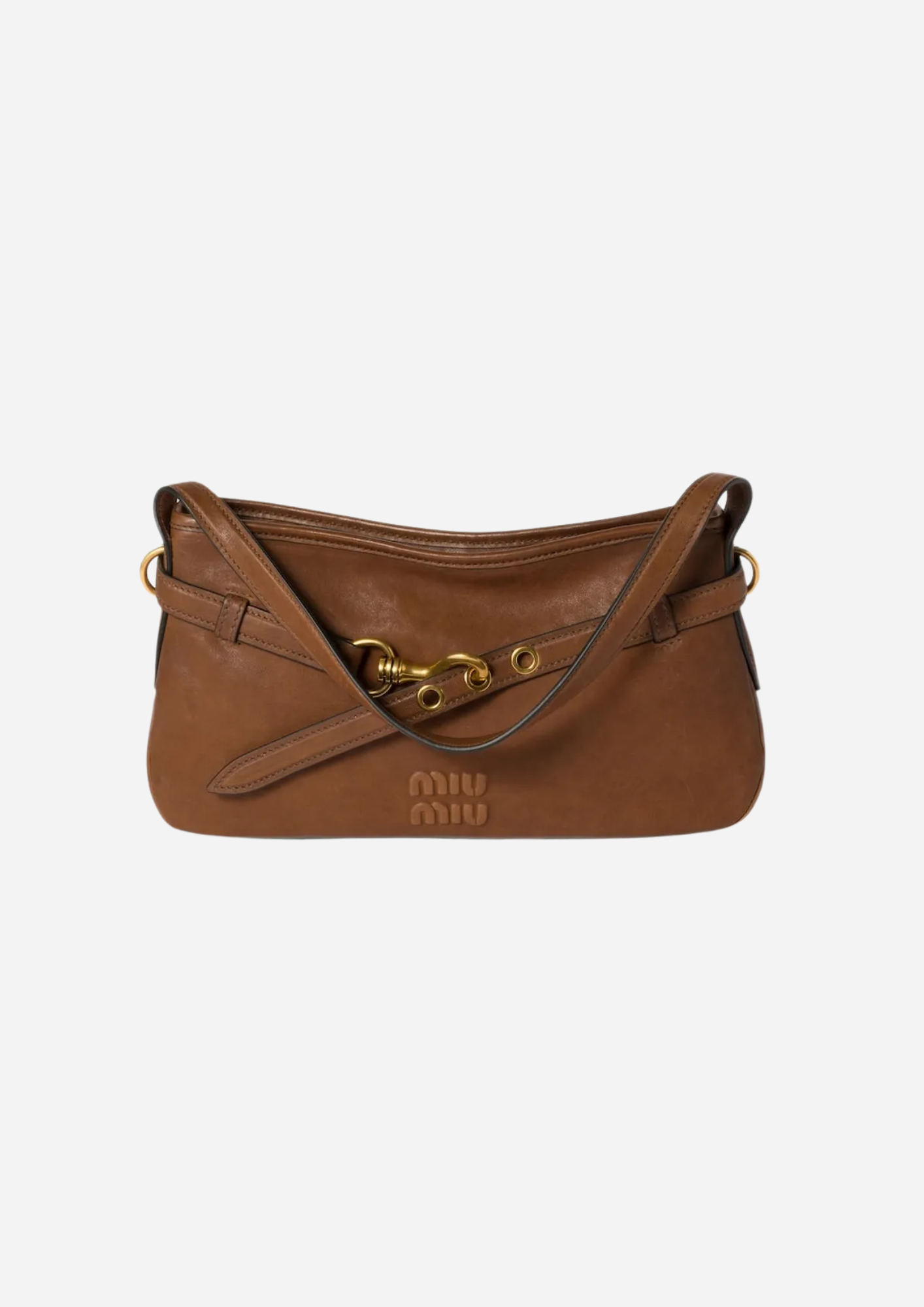
The Miu Miu Aventure develops a more elongated, less curved line. Suede, nappa and lambskin preserve the basic shape of the bag while changing its surface, softness and overall impression. Comparing Wander and Aventure therefore means choosing not only between two models, but between two different interpretations of the shoulder bag.
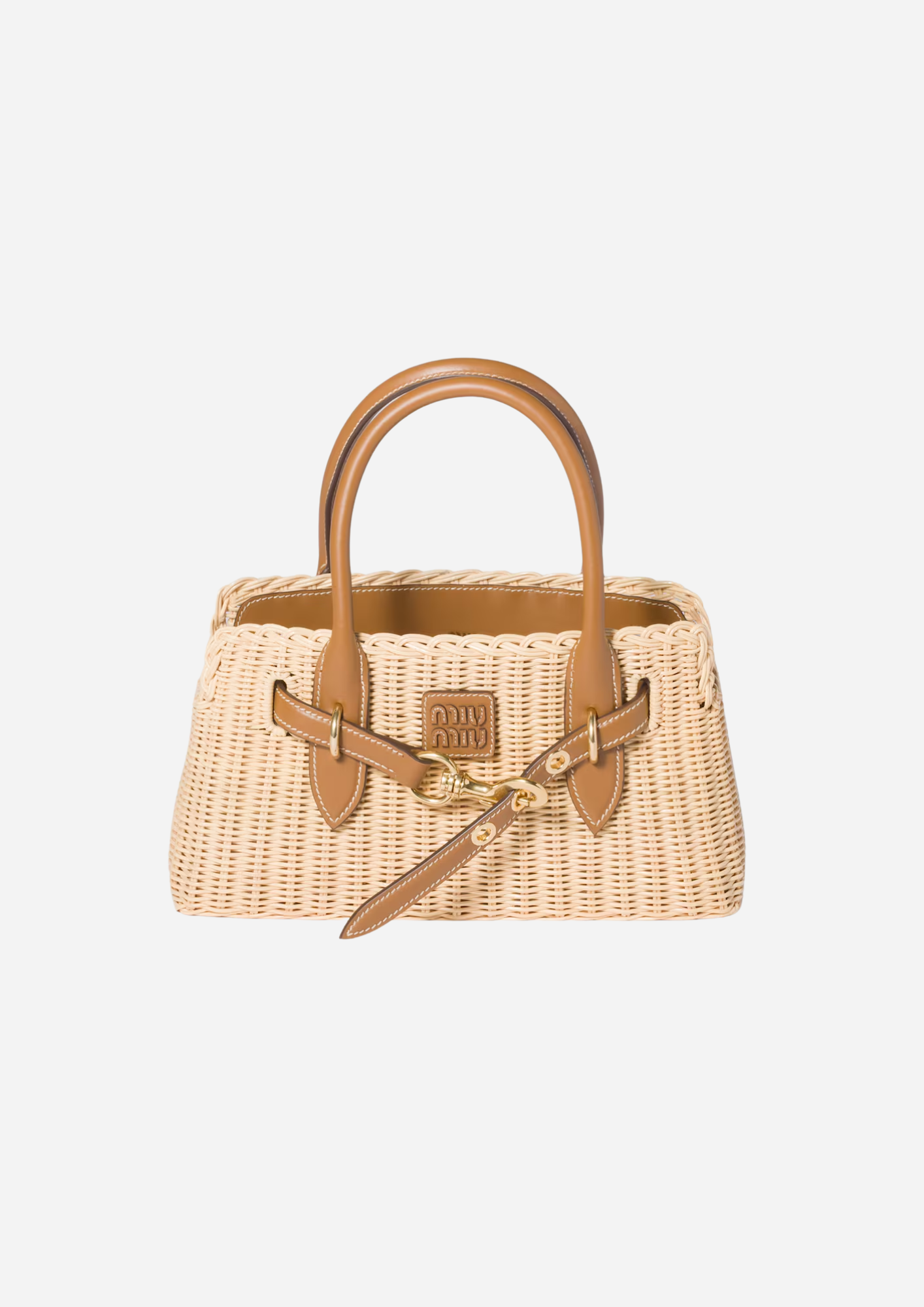
This variety continues across Miu Miu bags, where more structured silhouettes sit alongside softer models and shapes designed to be carried by hand as well.
Clean lines, baguettes and more structured shapes
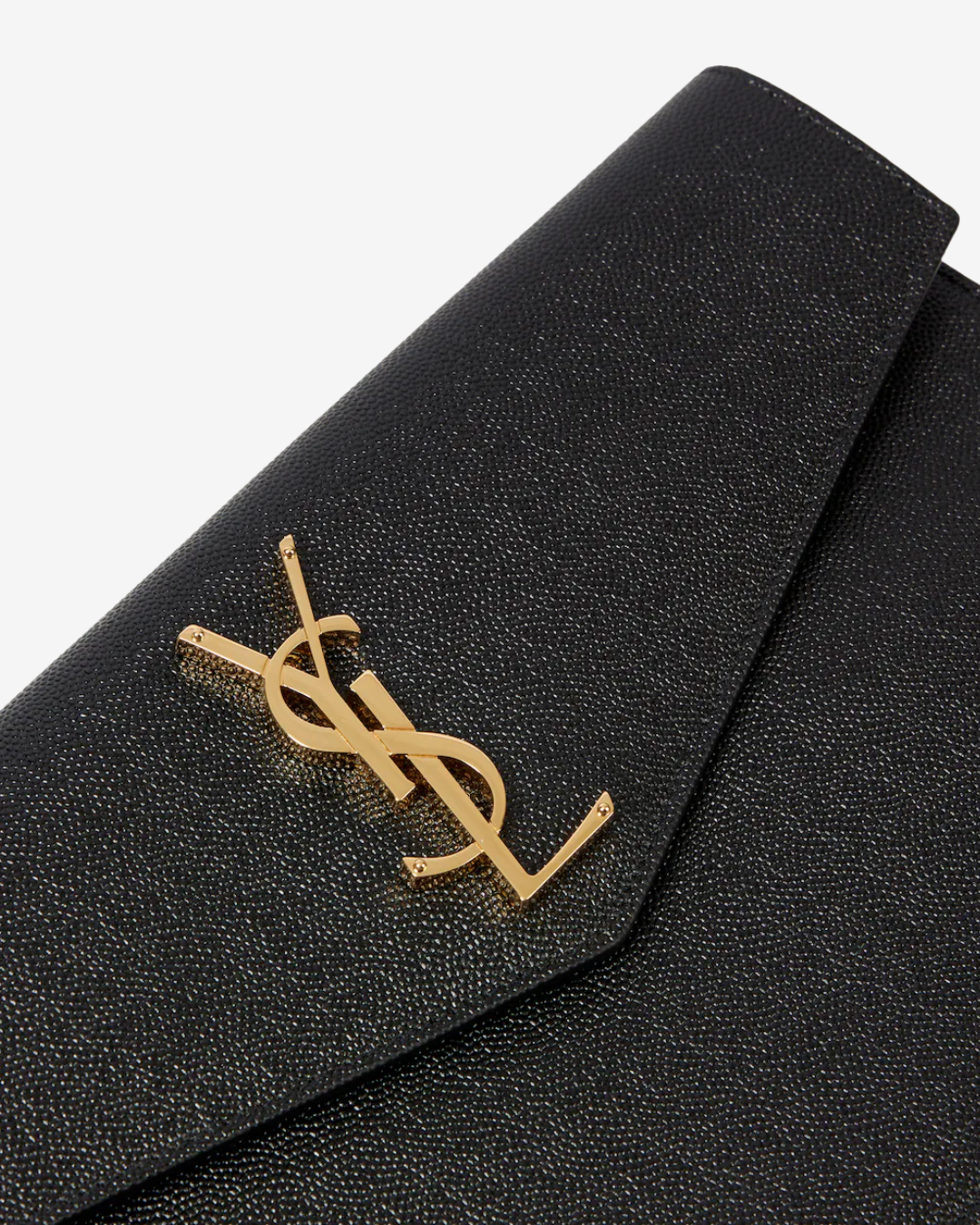
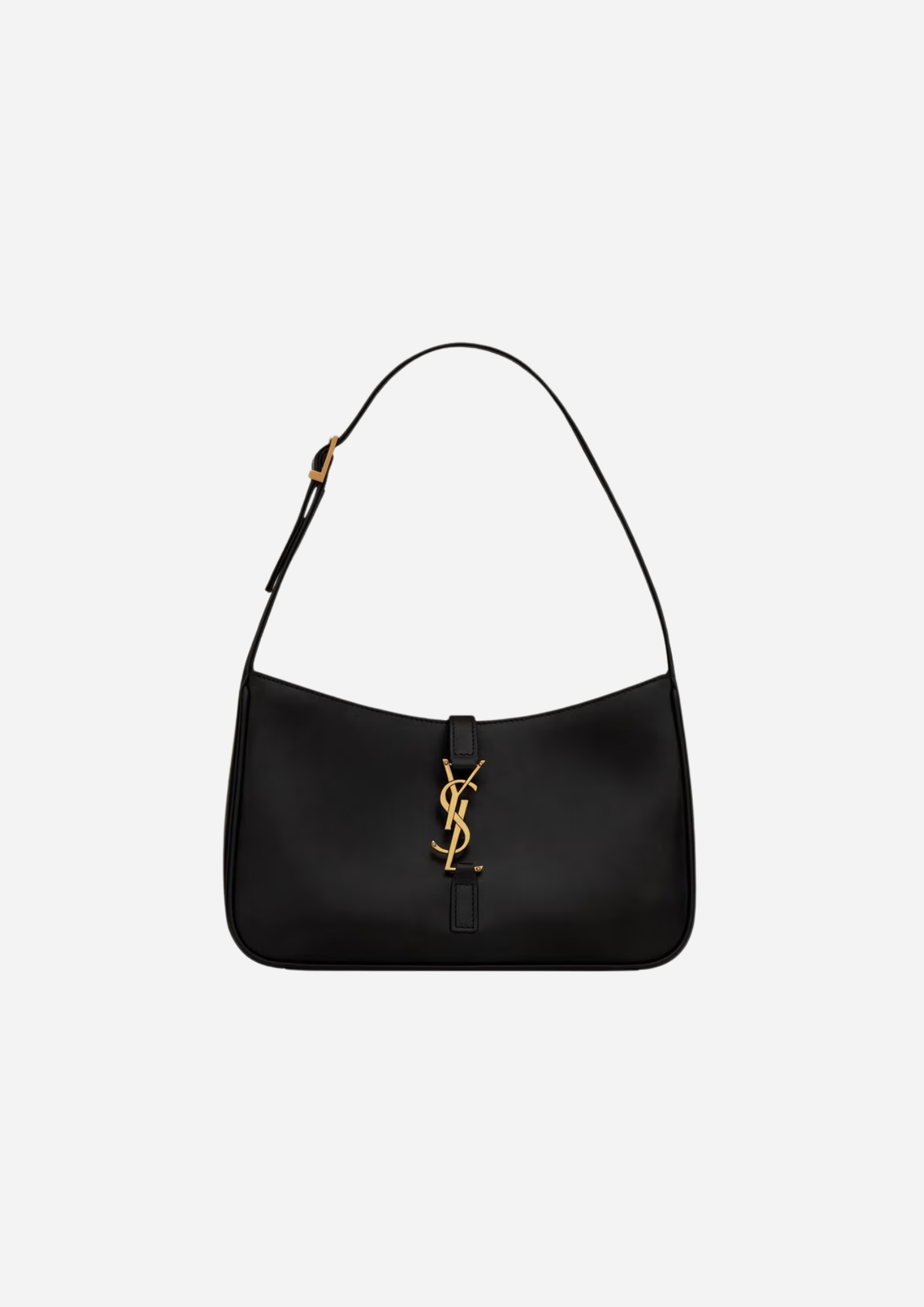
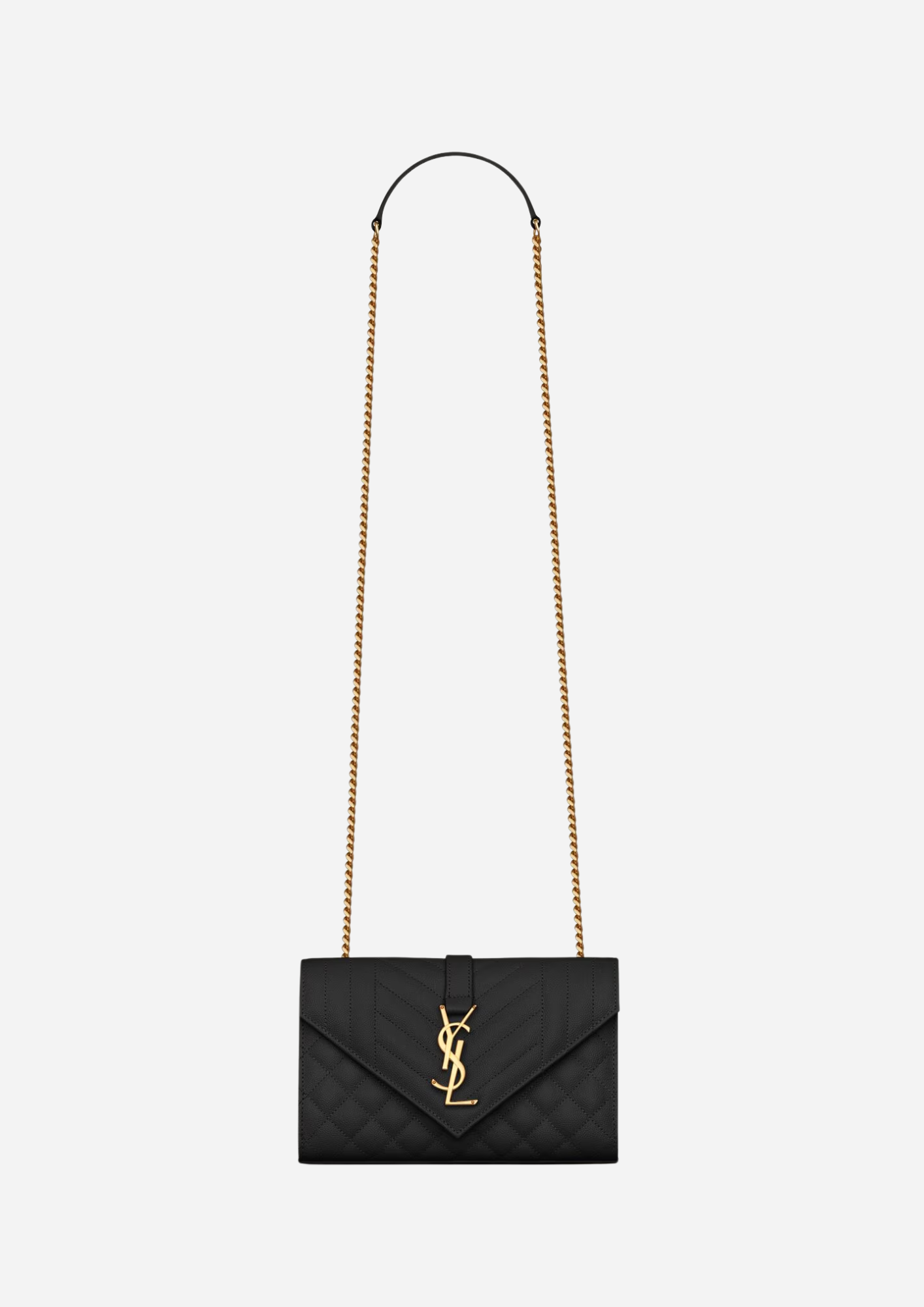
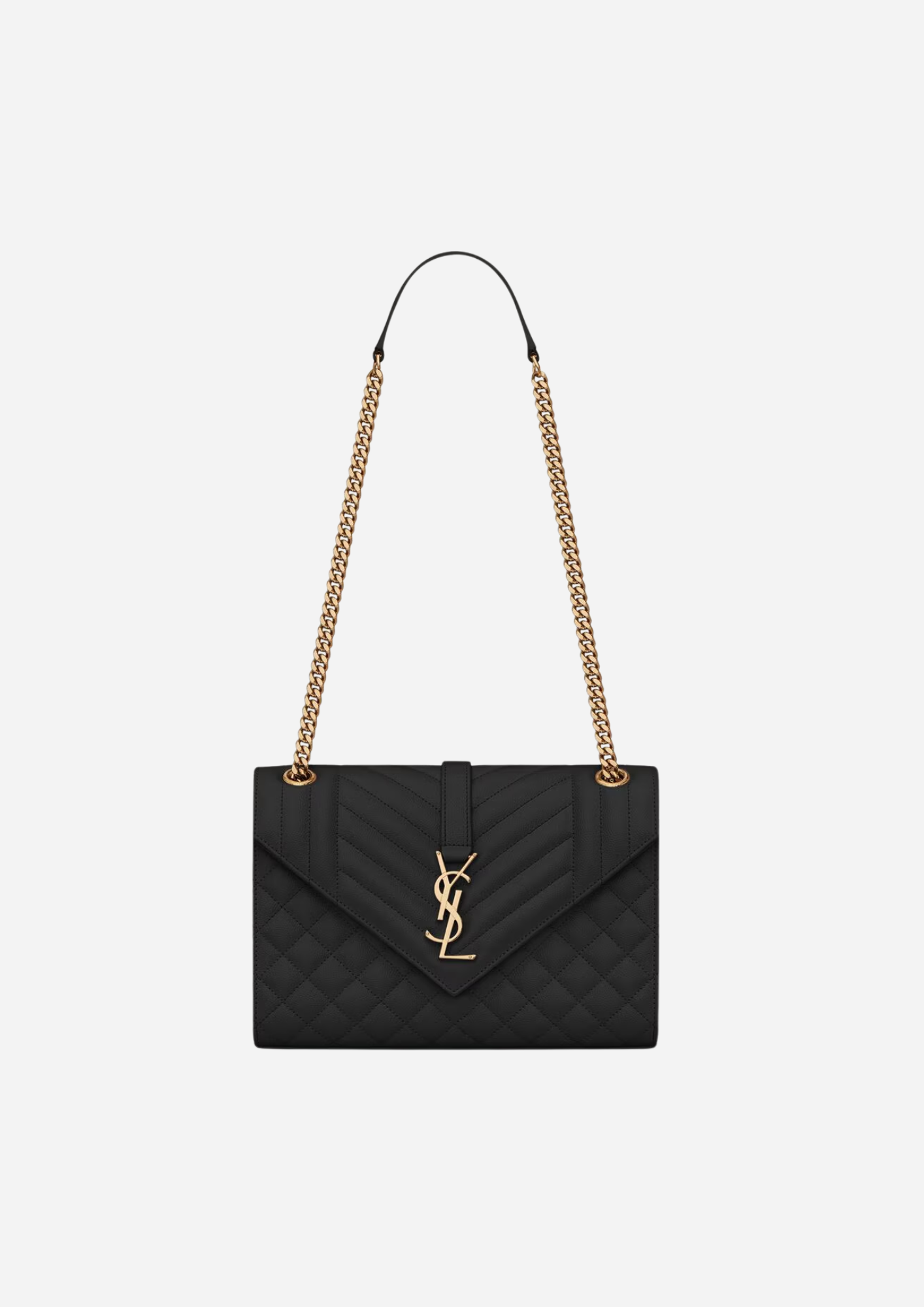
Saint Laurent works with more essential proportions in its shoulder bags. Le 5 à 7 keeps a compact line under the arm, while the Soft version relaxes the construction without losing the silhouette's identity. Envelope bags introduce a more geometric structure and quilted Grain de Poudre leather, creating a clear contrast with the smooth surfaces of other Saint Laurent bags.
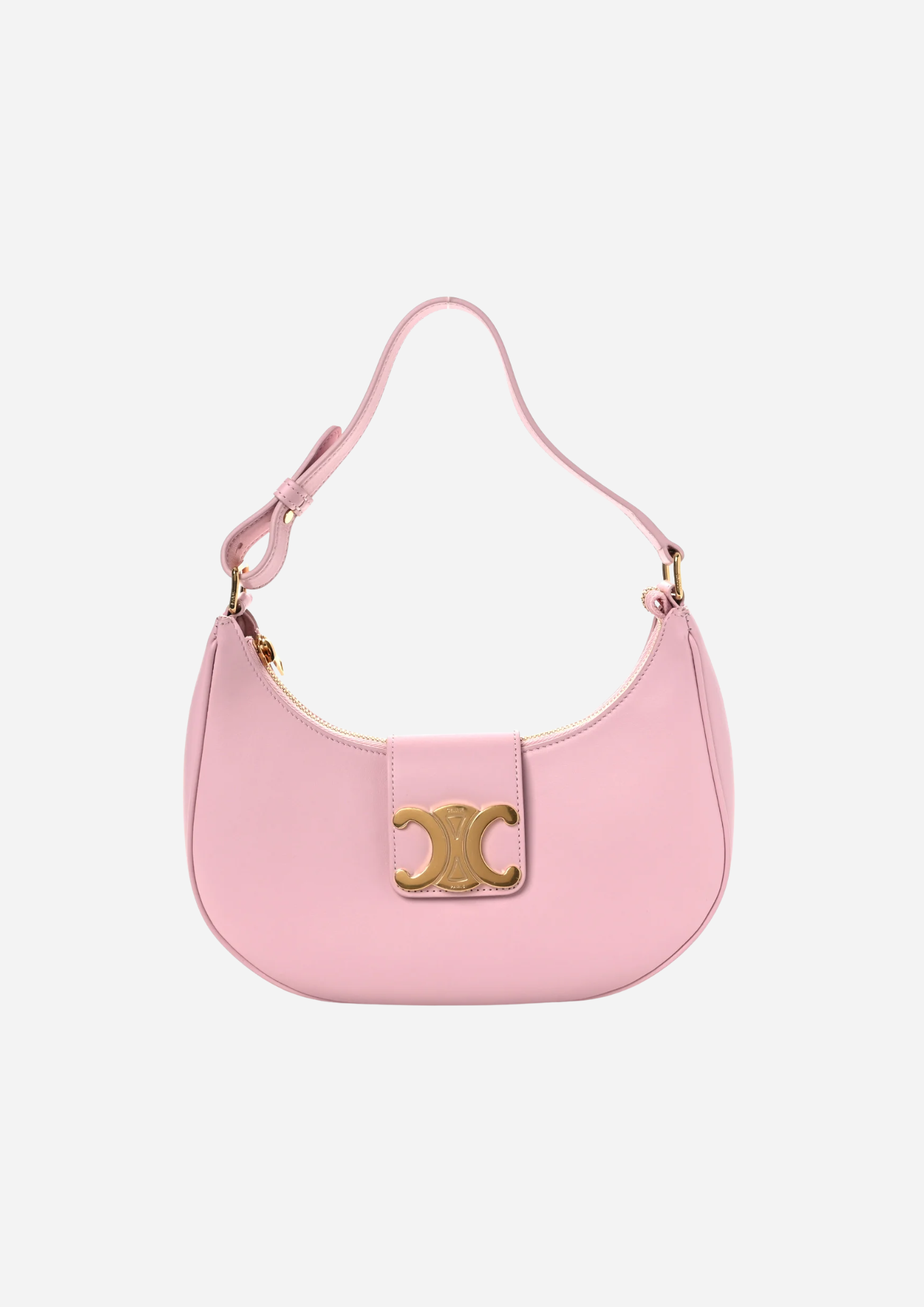
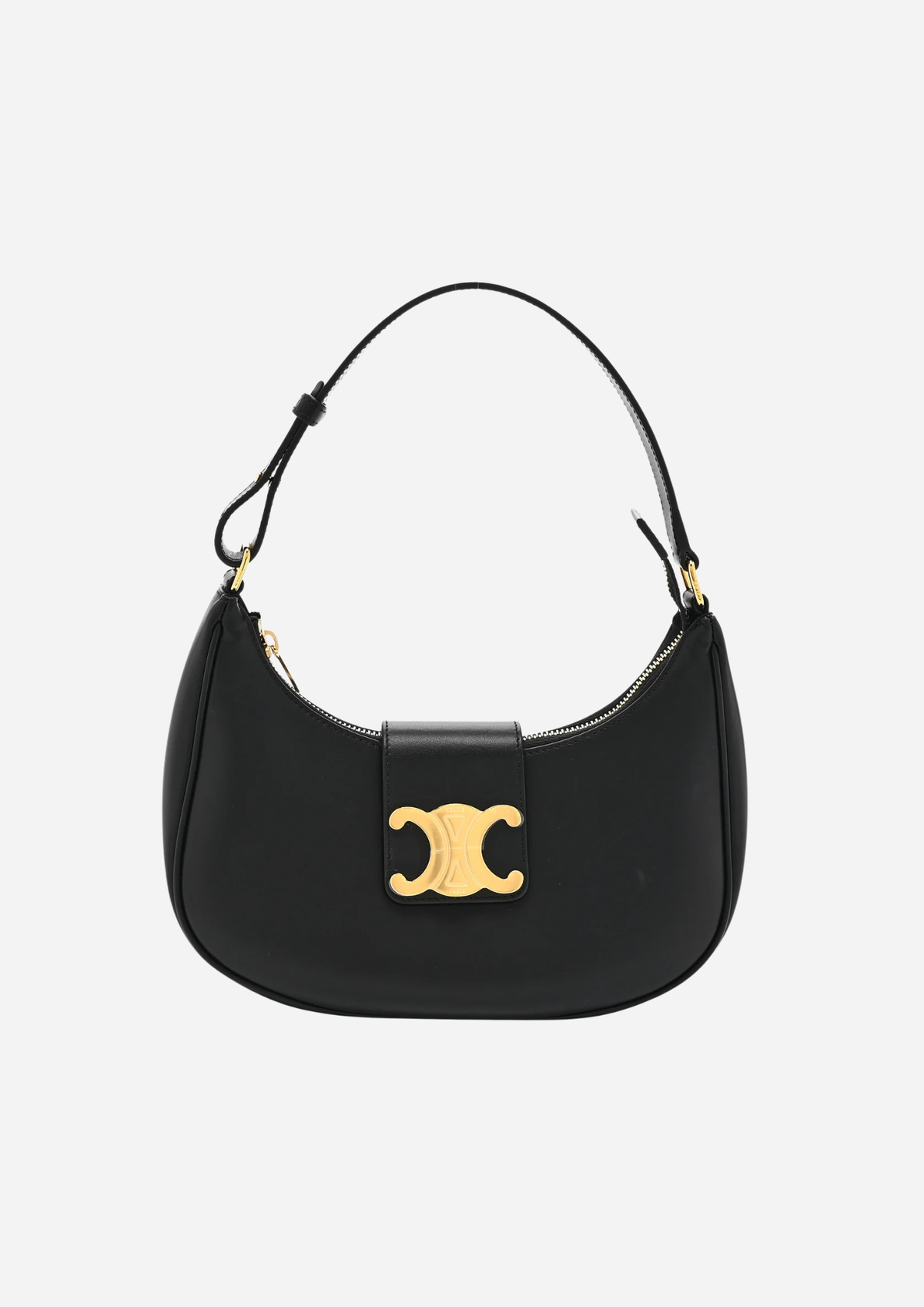
Celine follows a similar balance between structure and simplicity. Claude and Ava Triomphe offer two different interpretations: the former is more compact, the latter more curved and horizontal. Across Celine bags, construction tends to remain clean, allowing shape, leather and metal details to define the model.
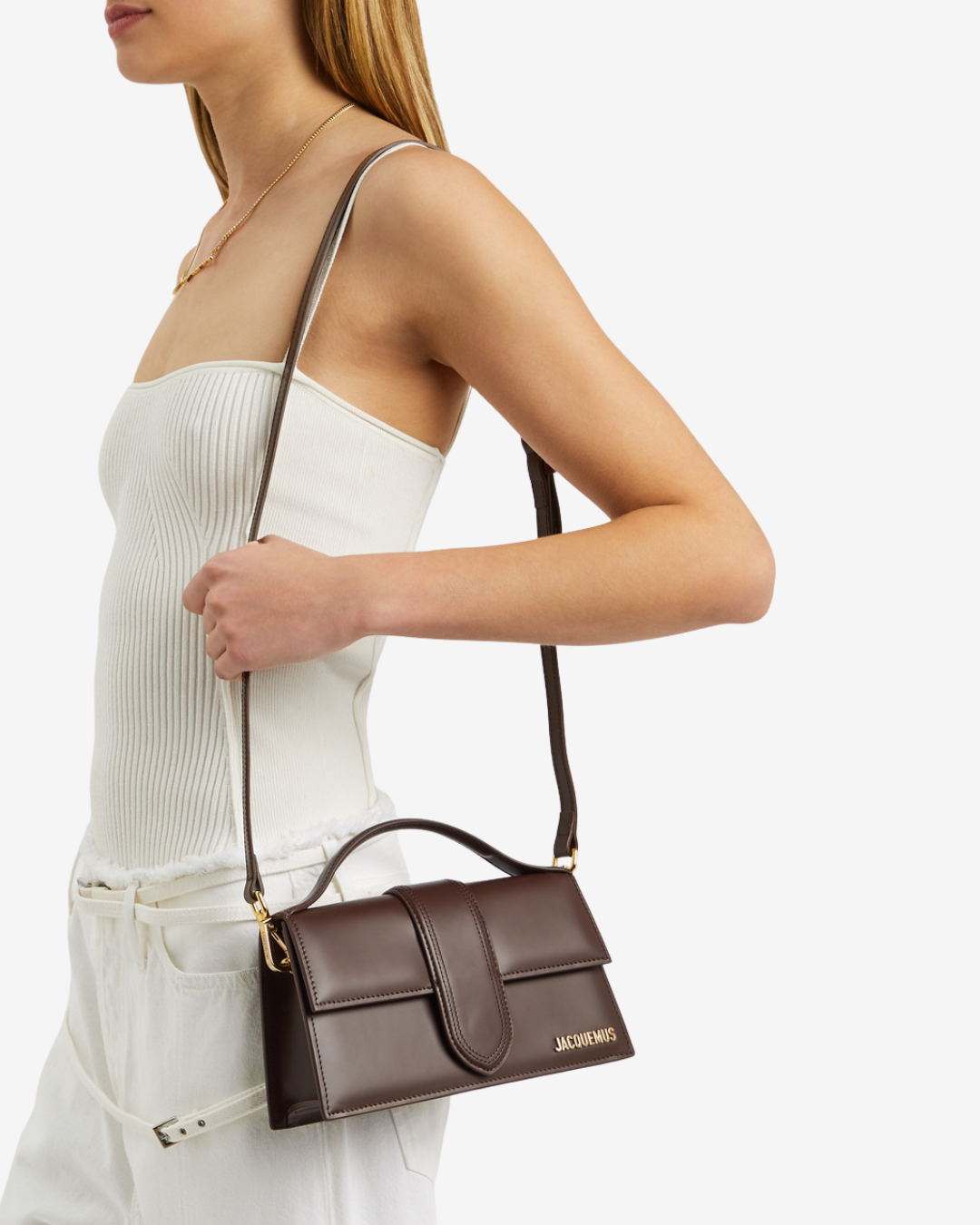
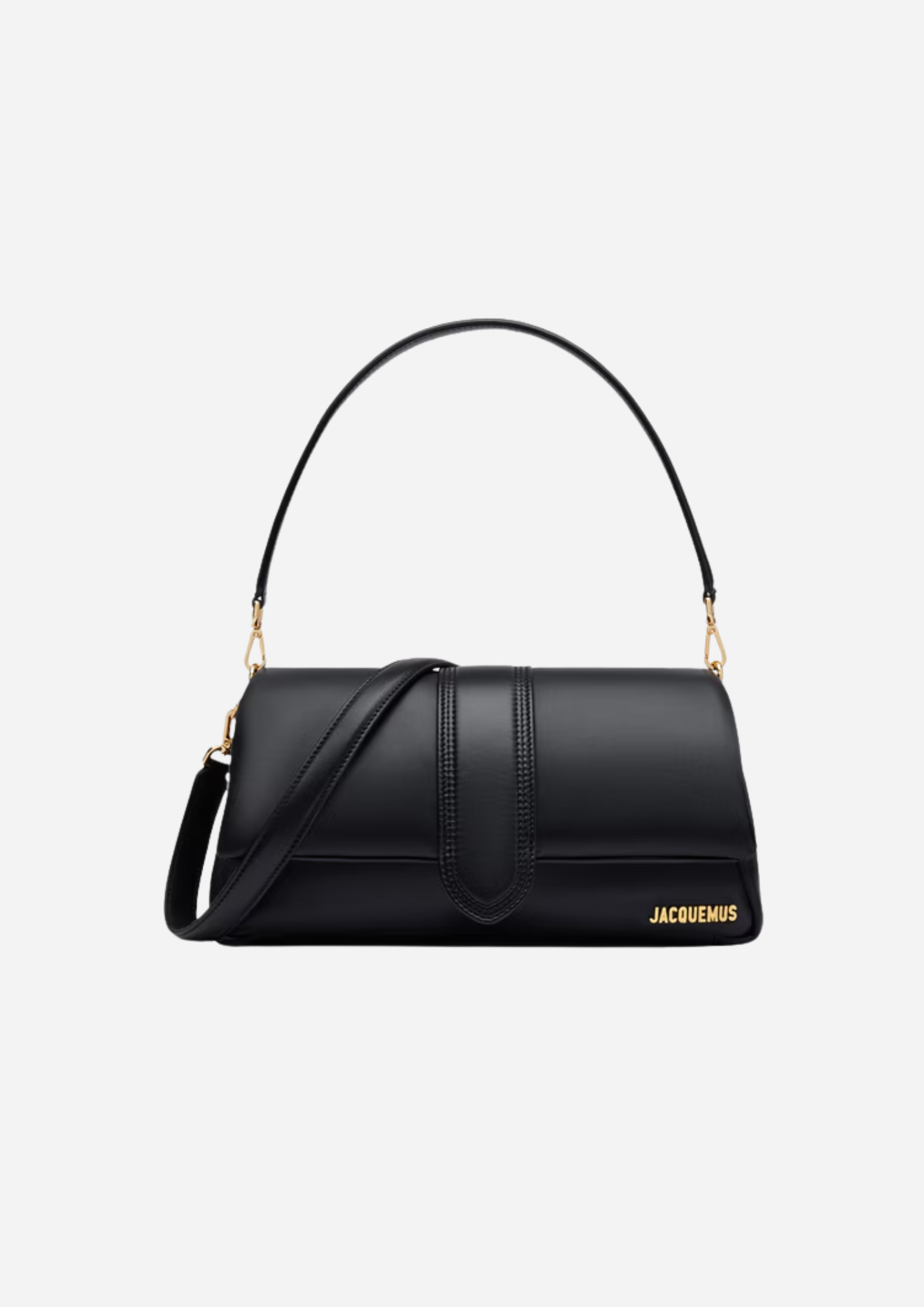
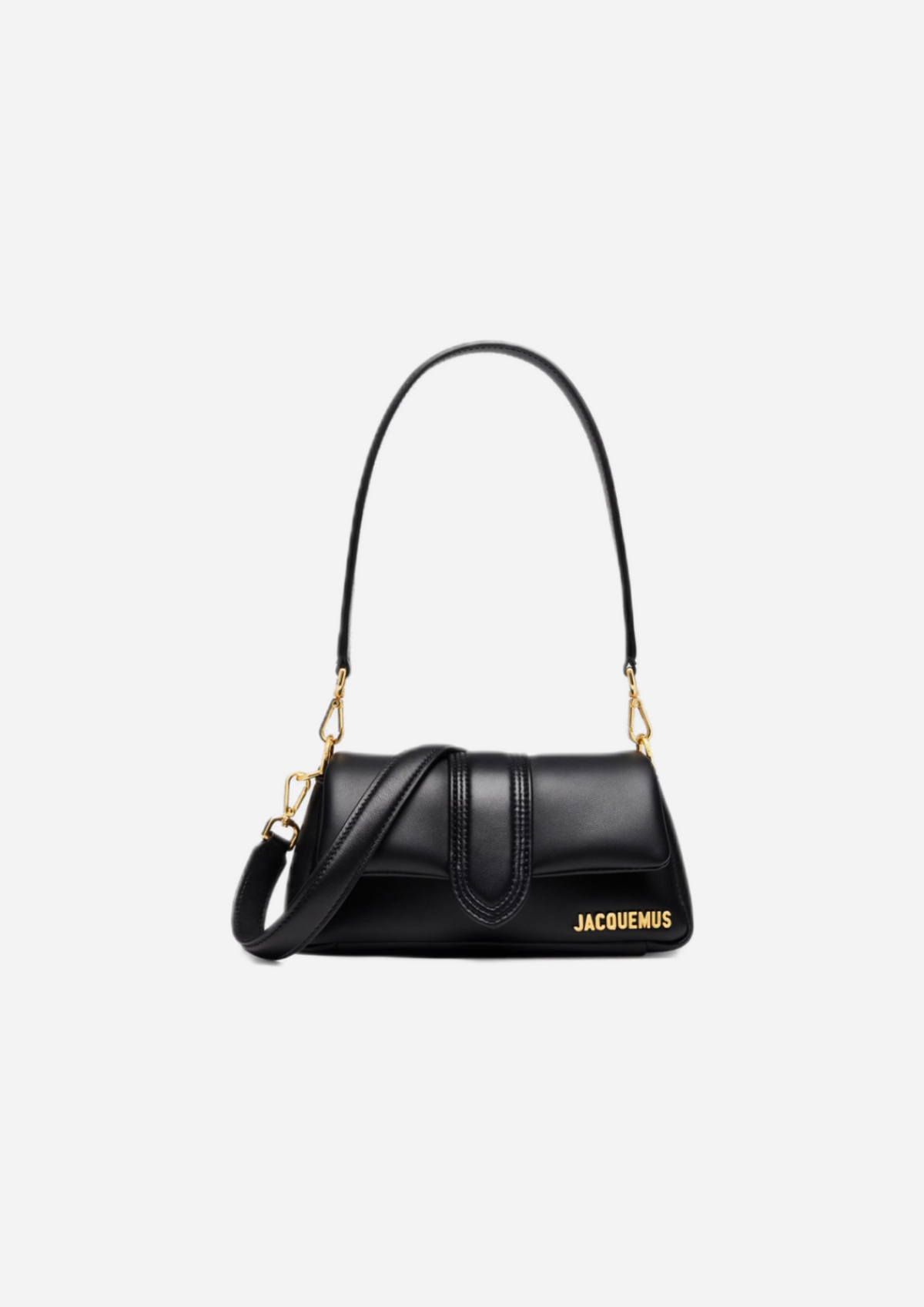
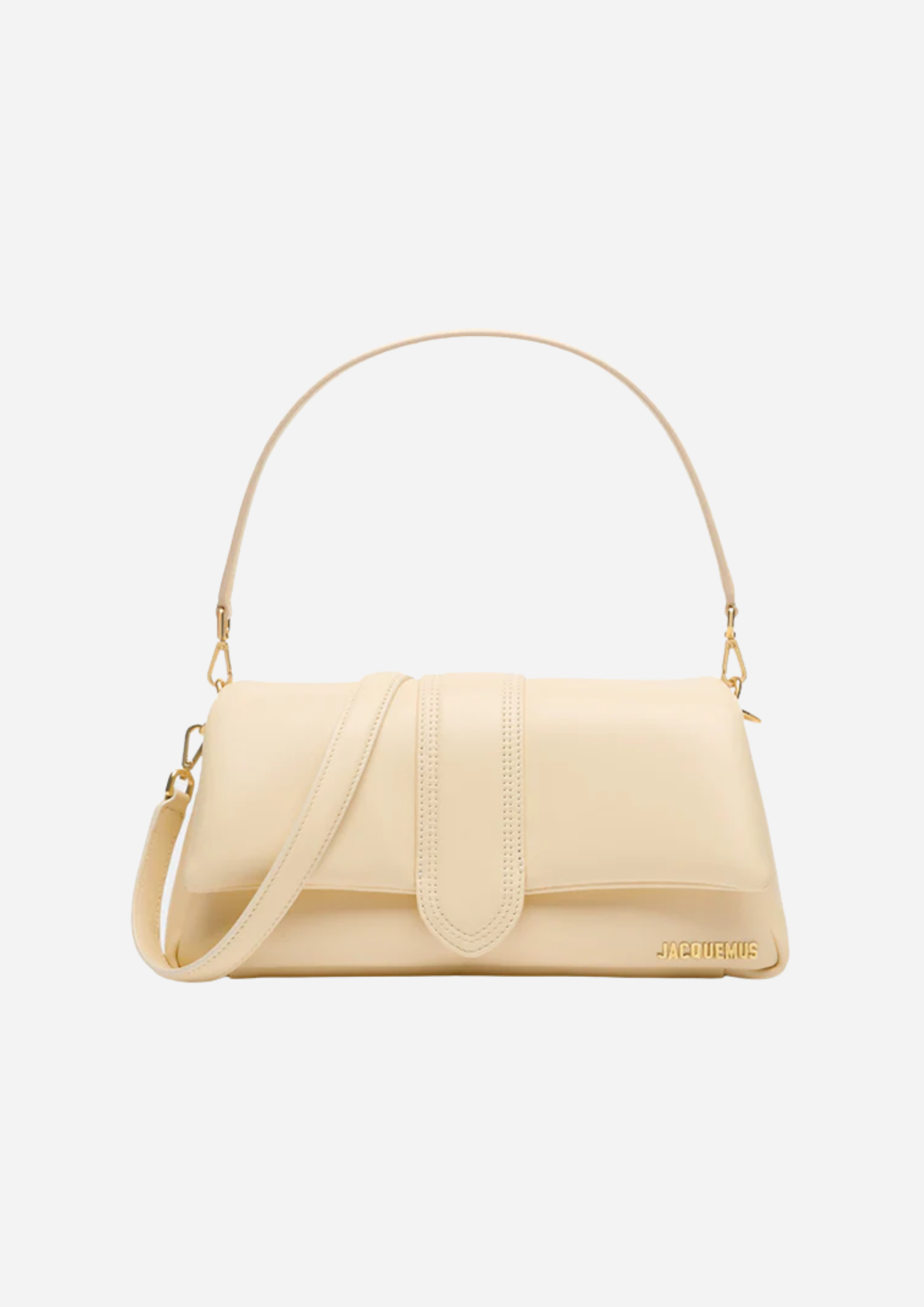
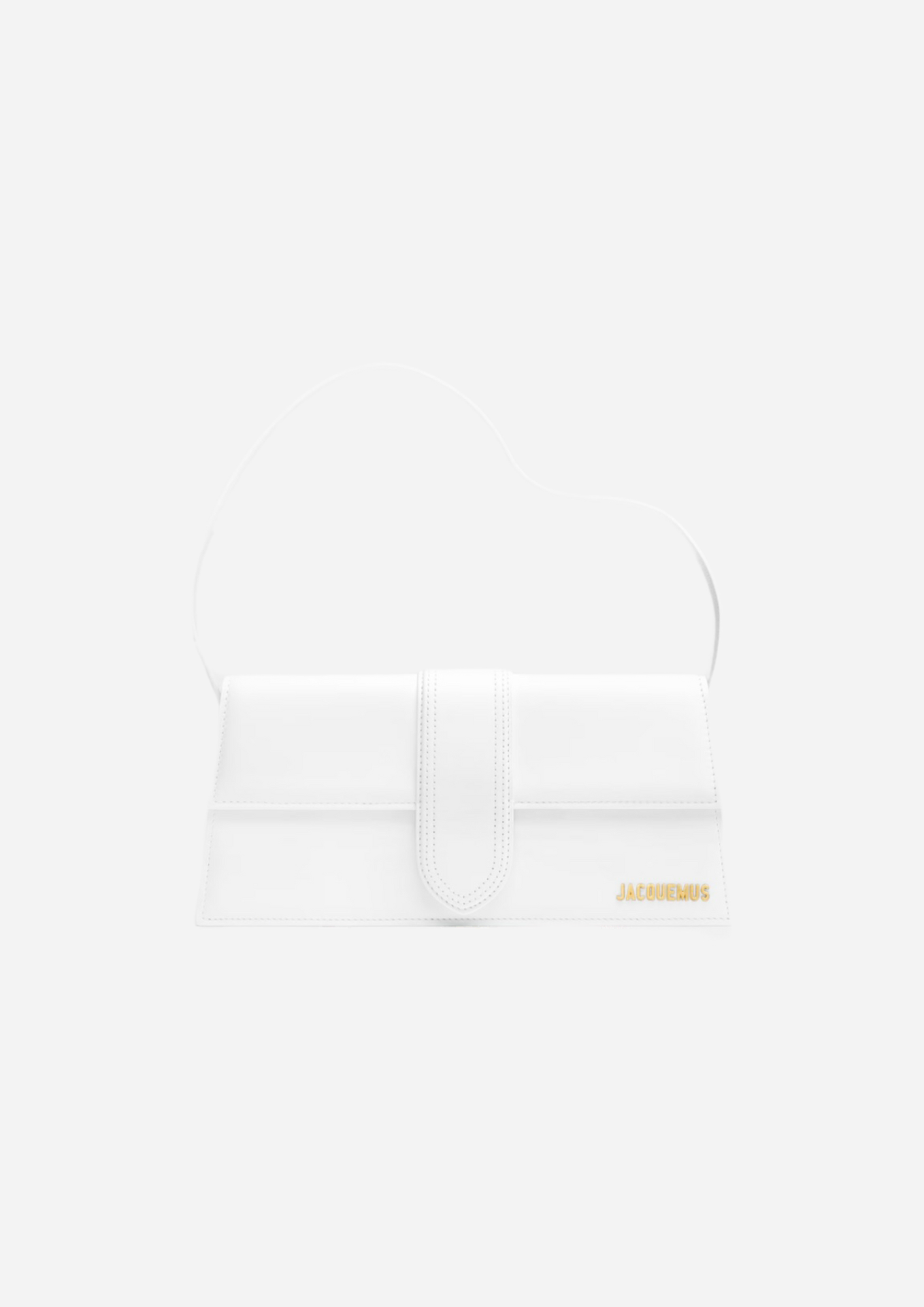
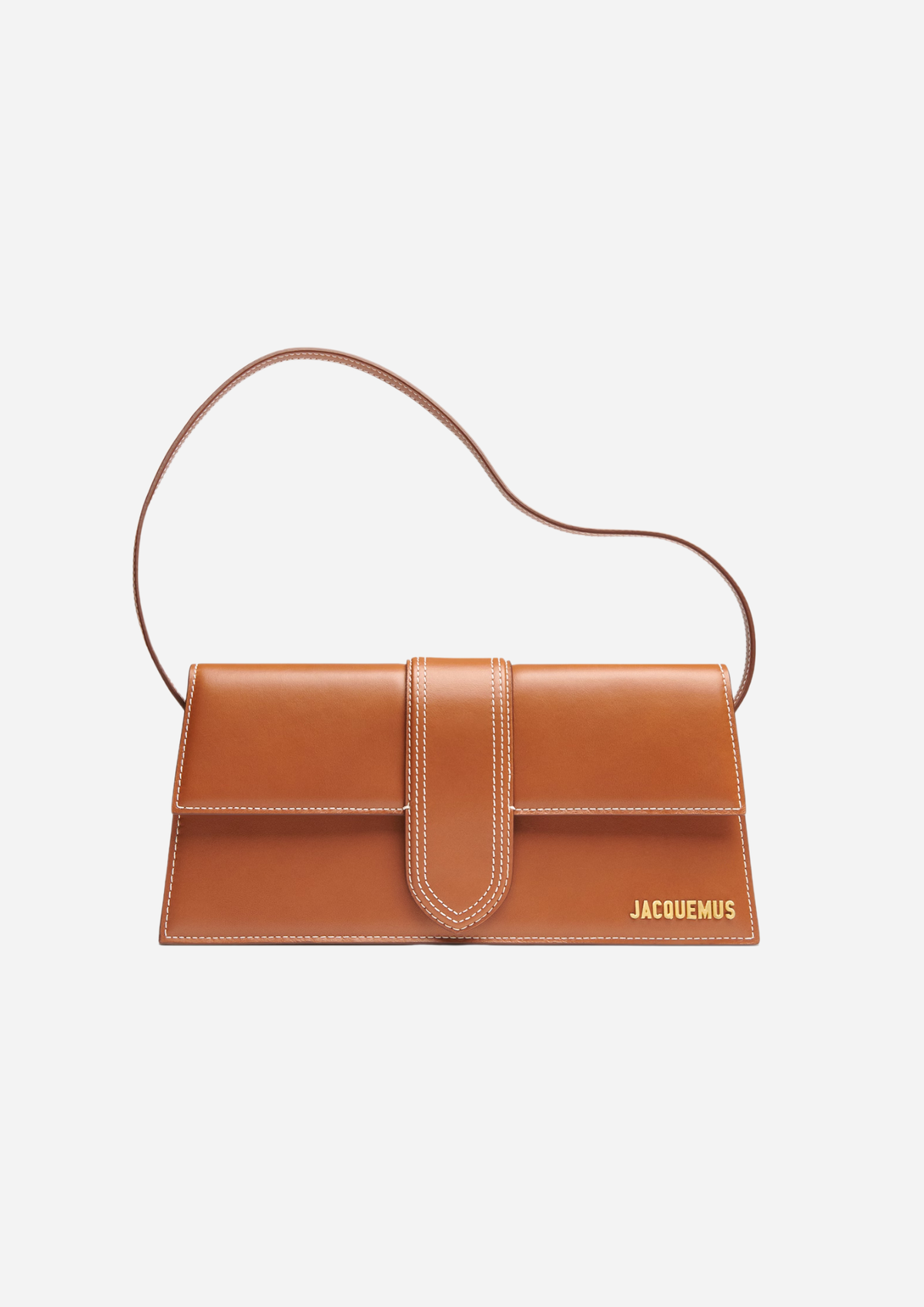
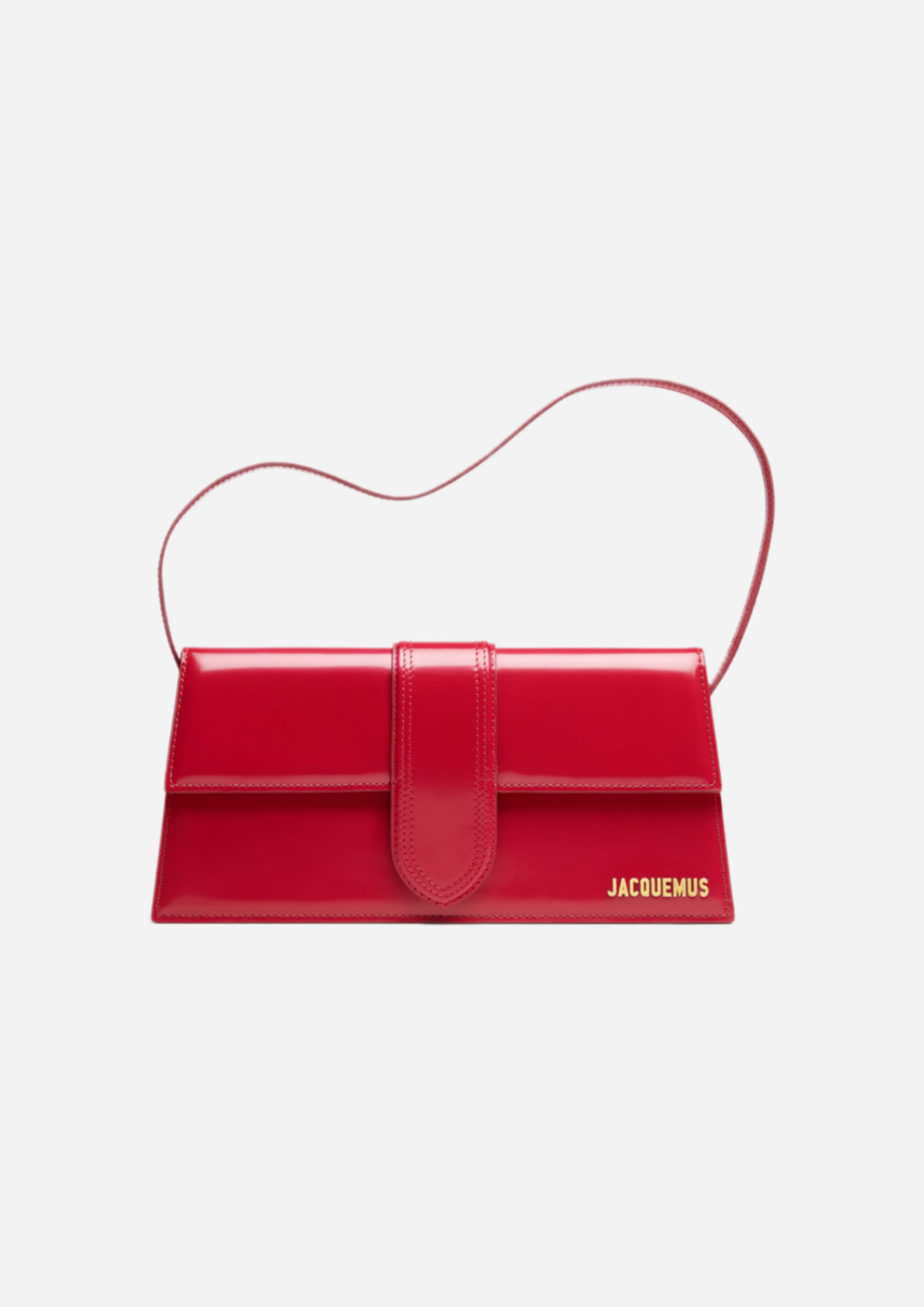
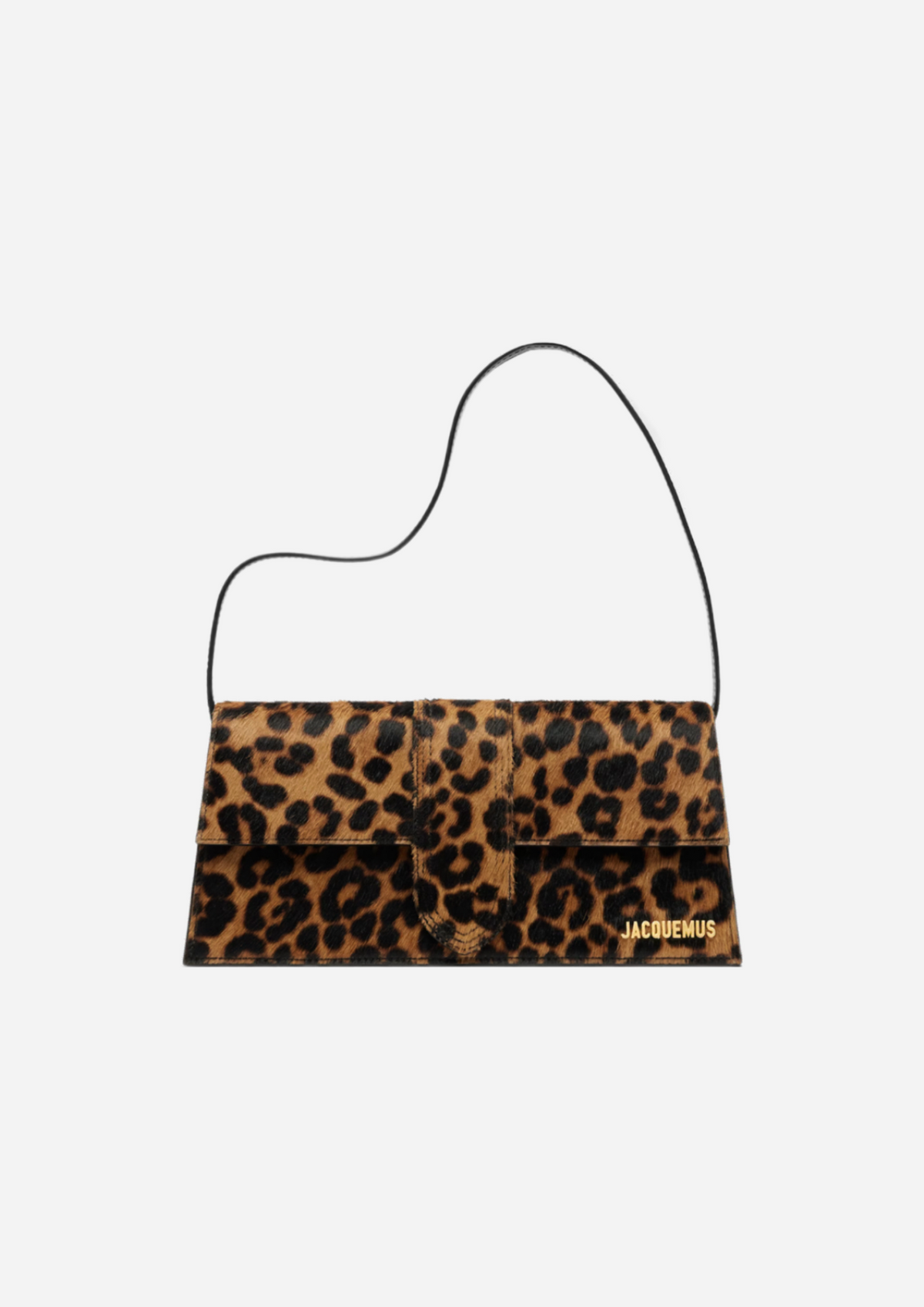
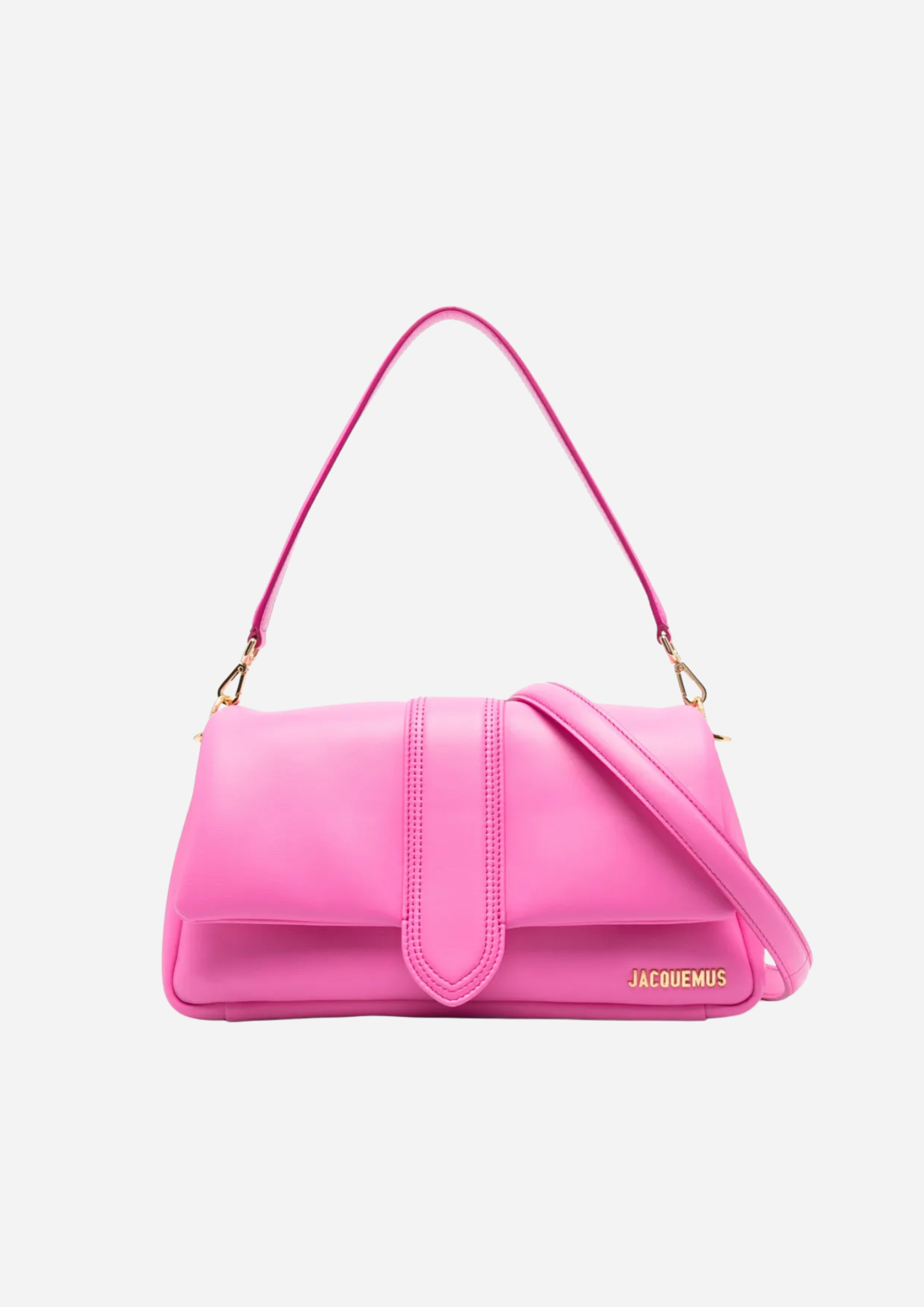
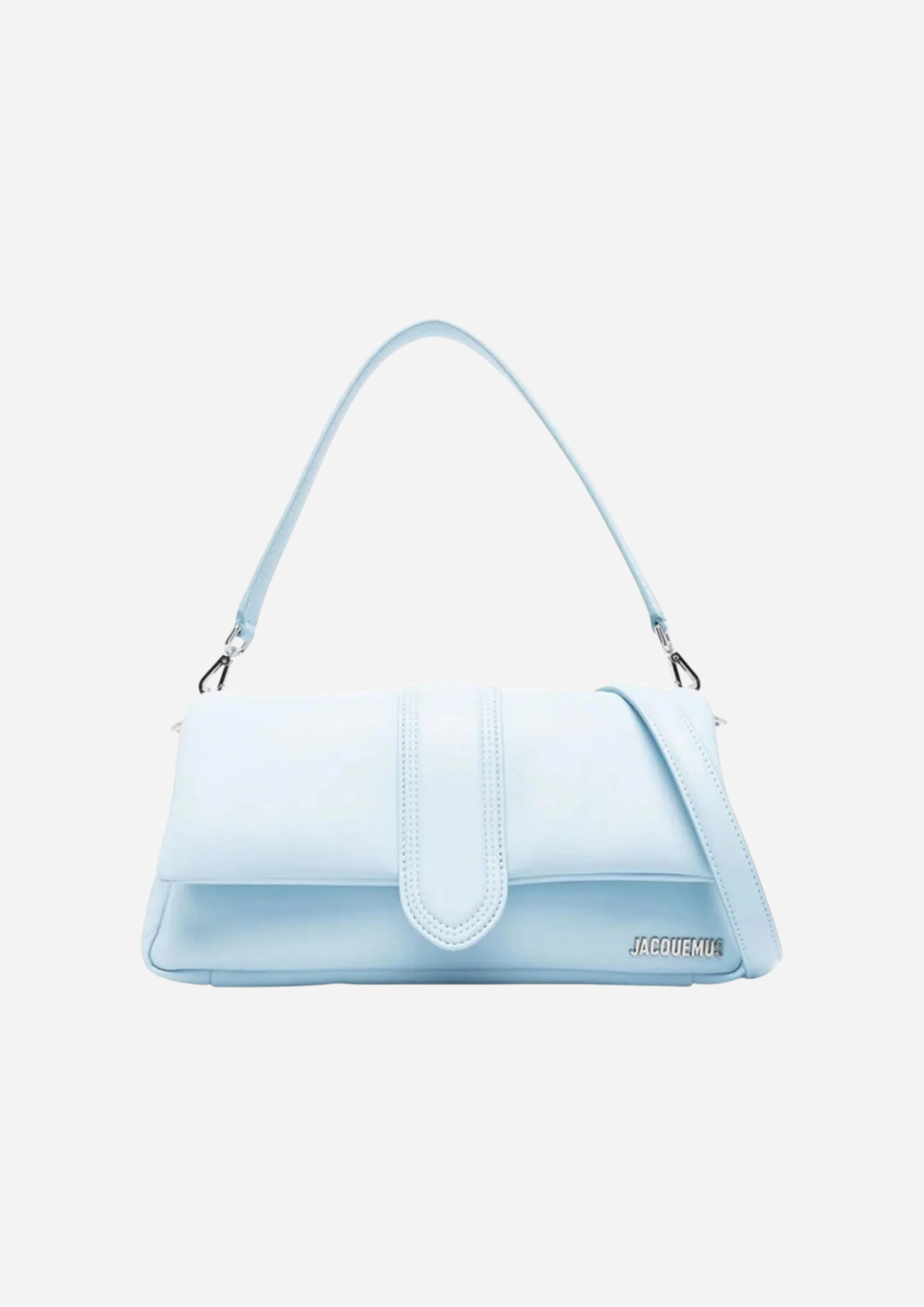
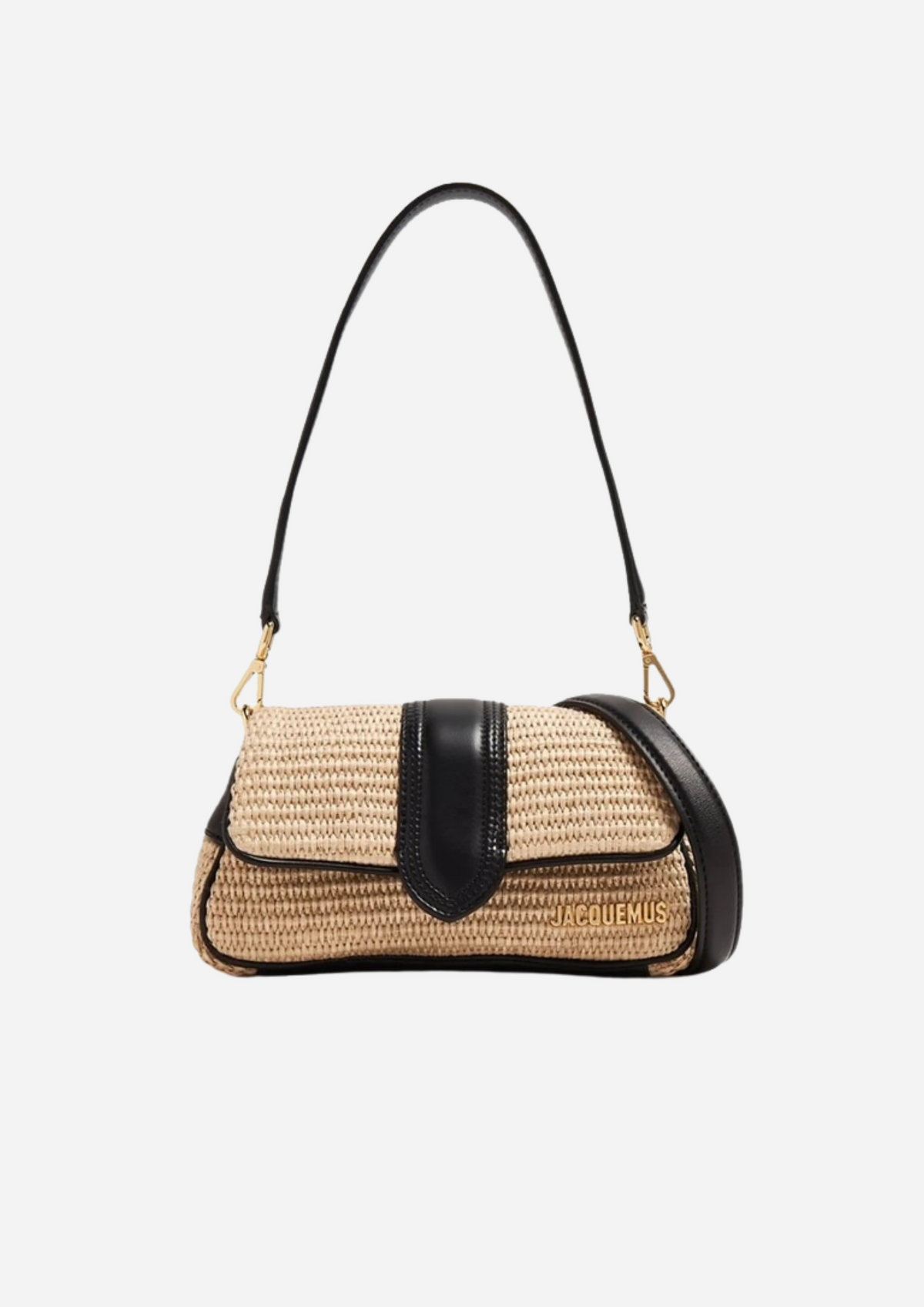
Jacquemus brings its exploration of proportion to shoulder bags as well. Le Bambimou is softer and more voluminous, while Le Long Bambino extends the recognisable Bambino line into a shape that naturally sits under the arm.
Different materials, different uses
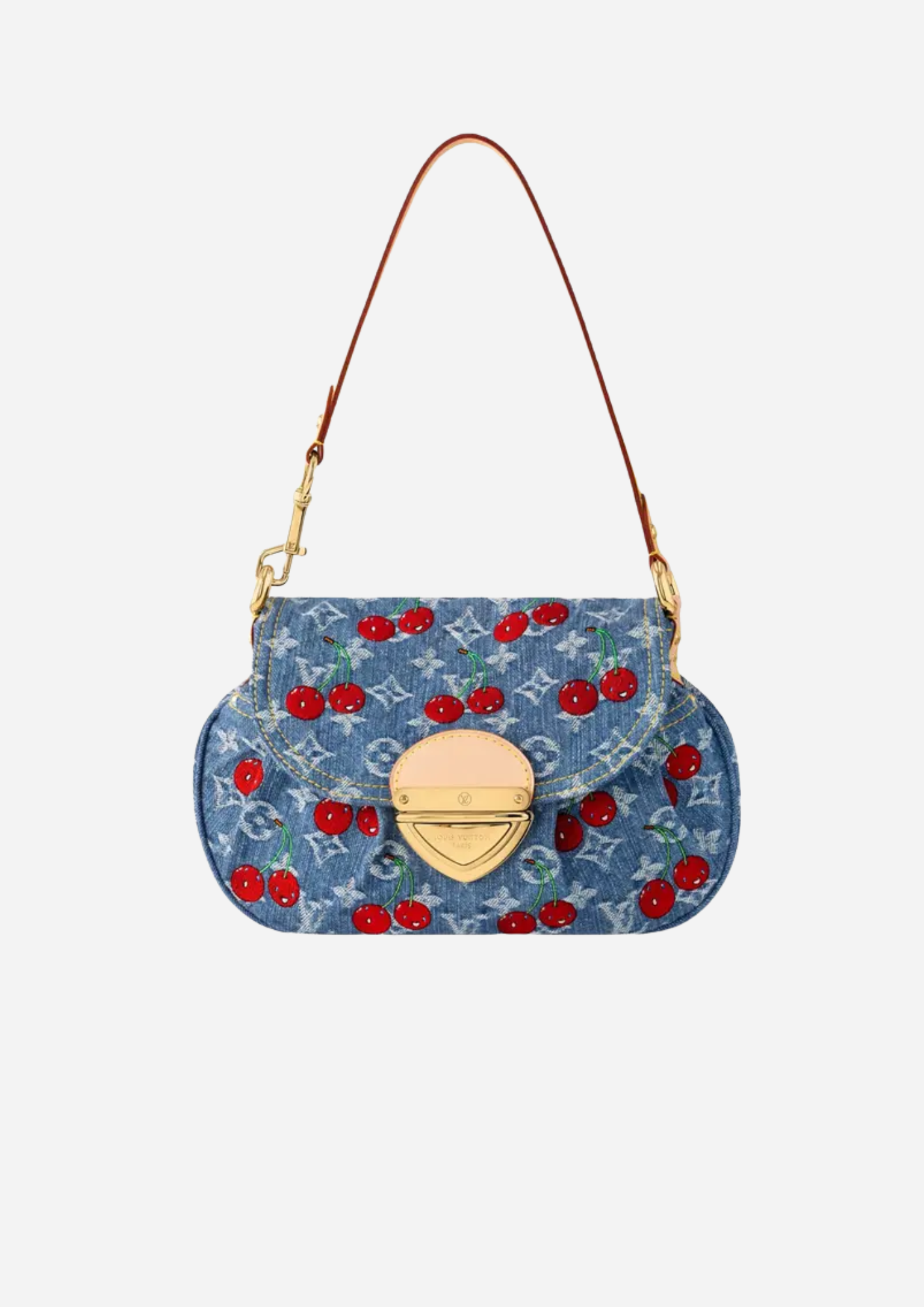
In a shoulder bag, material has a particularly strong effect on the way the bag sits. Nappa leather tends to follow the body more closely; grained leather retains good structure while feeling less rigid; suede introduces a softer, more matte surface. Re-Nylon, denim, crochet and shearling can completely alter the character of the same category.
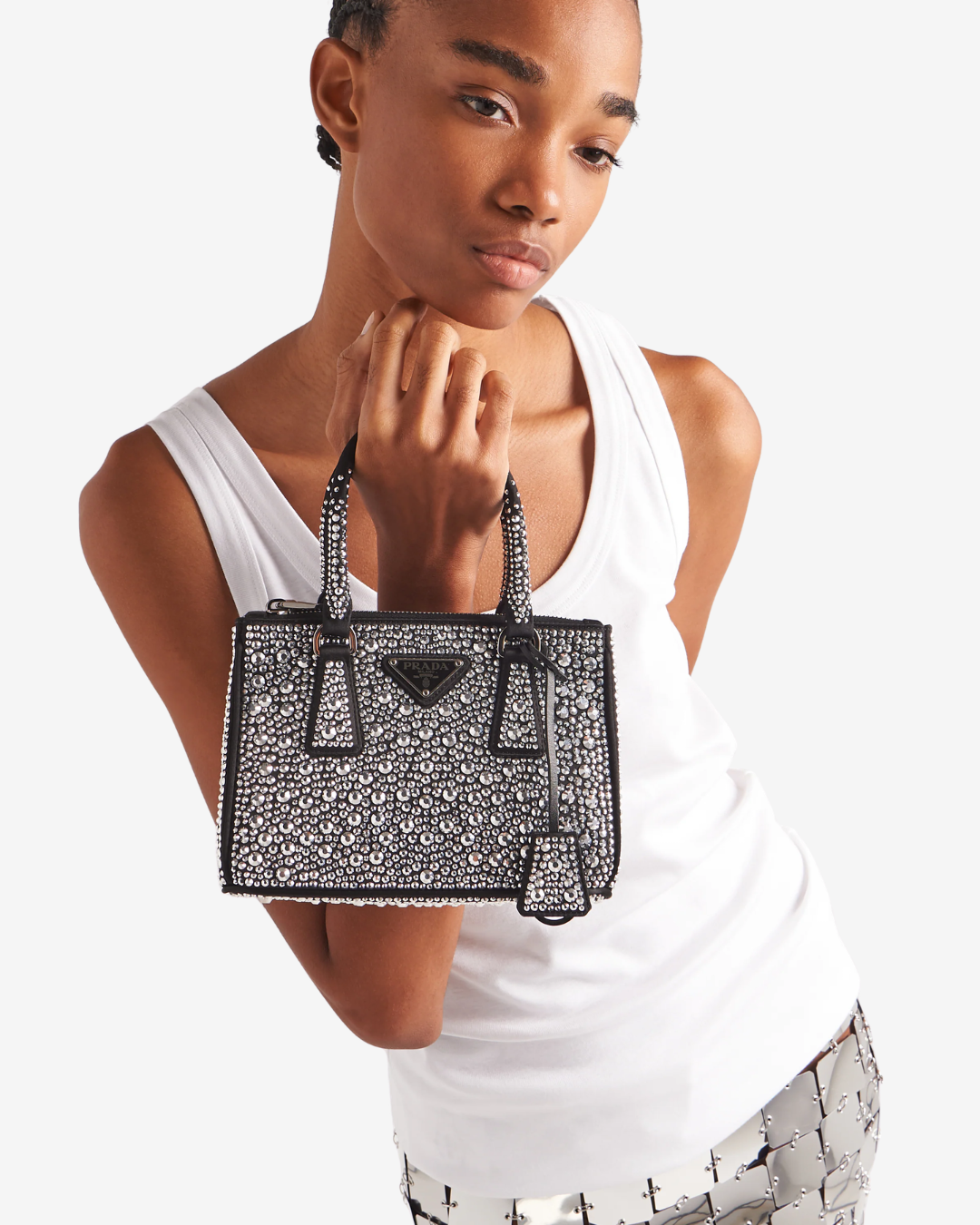
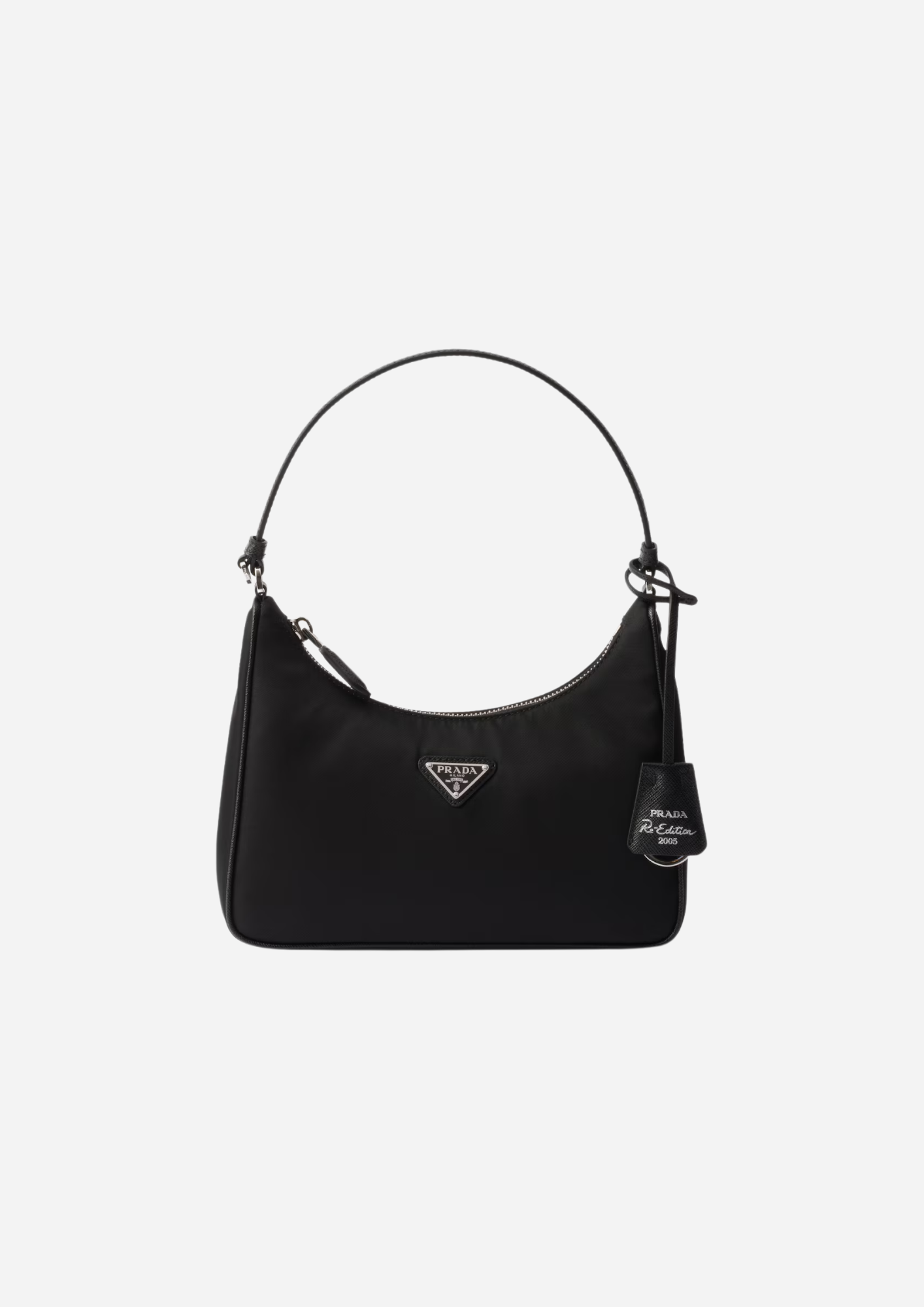
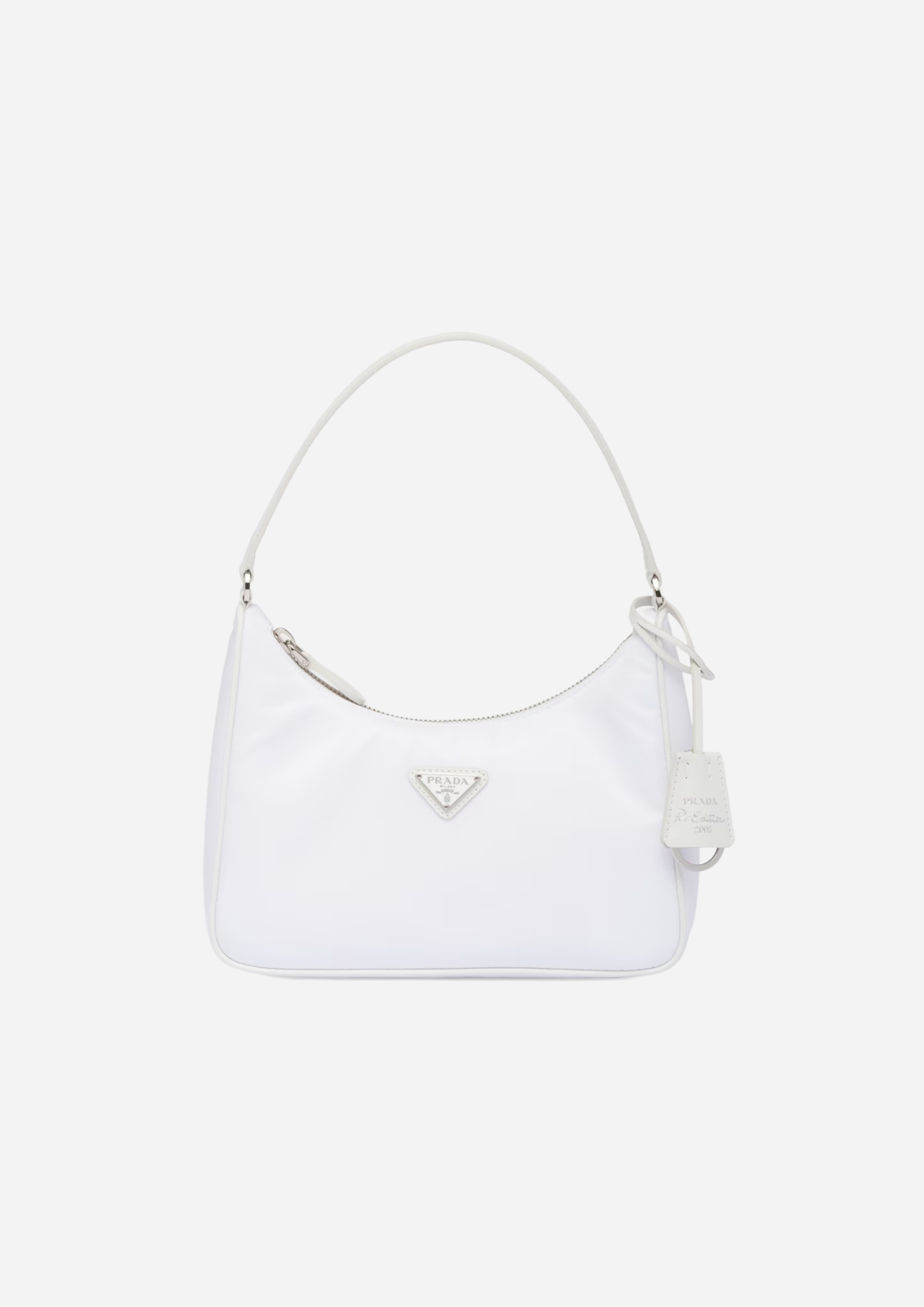
Prada Re-Edition is a good example of a lighter, more functional approach: Re-Nylon reduces the rigidity associated with leather constructions and directly recalls the small shoulder bags of the 2000s. This is a different direction from the Galleria and other Prada bags, where structure generally plays a more prominent role.
How to choose the right shoulder bag
For everyday use, start by assessing the opening and depth of the bag. A very slim silhouette creates an elegant line but naturally limits capacity; a hobo or softer construction makes better use of the internal space.
Handle length also changes how the bag is worn. Closer-fitting models sit directly under the arm, while those with a longer drop rest lower on the hip. The ideal choice therefore comes from balancing shape, capacity and the way the bag is worn, rather than relying on stated dimensions alone.